




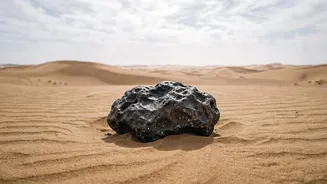
A Stone's Extraordinary Journey
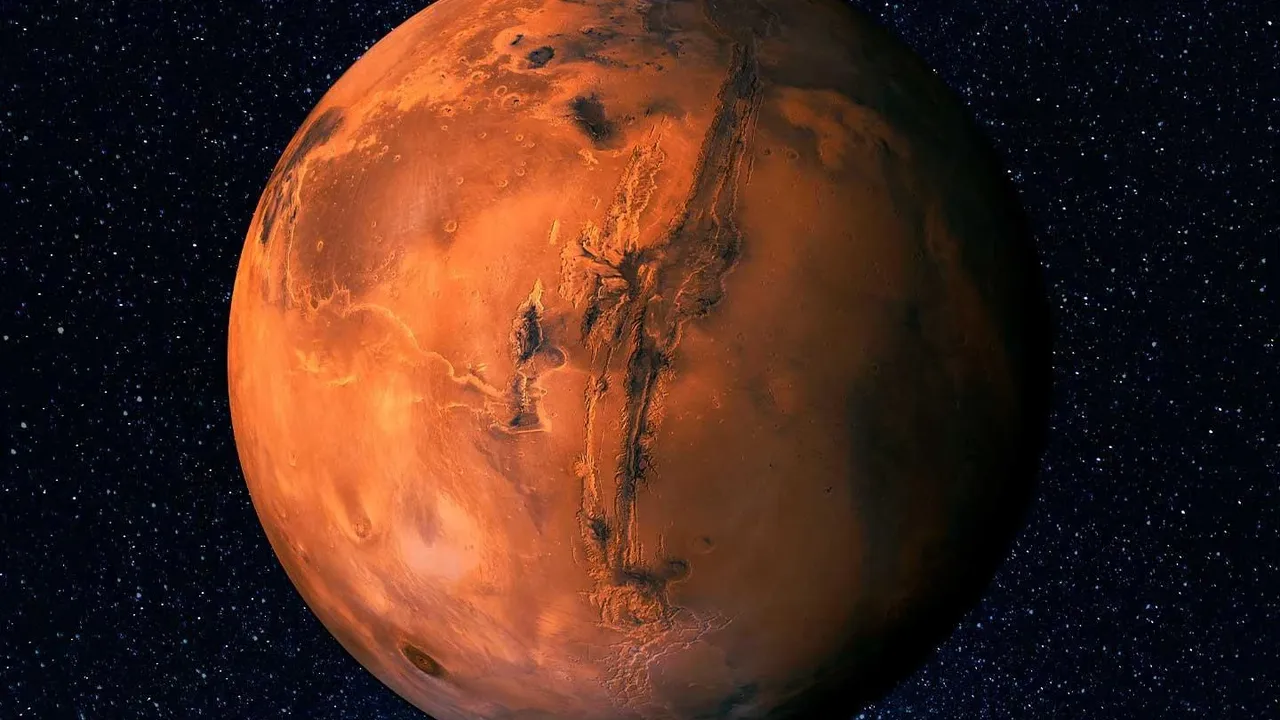
Every Martian meteorite found on Earth has a violent origin story. Scientists believe that millions of years ago, a powerful asteroid or comet slammed into Mars, blasting chunks of its crust into space with enough force to escape the planet's weak gravity.
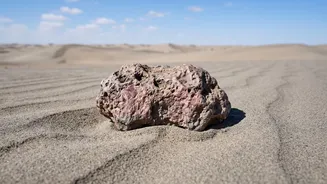
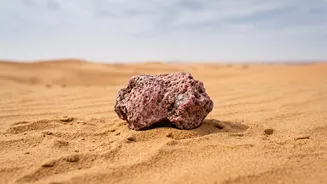
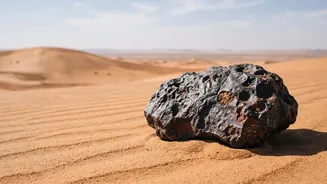
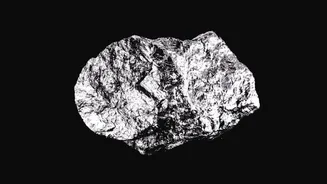
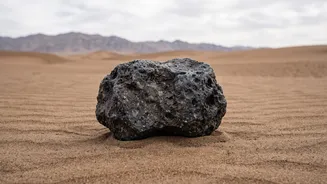
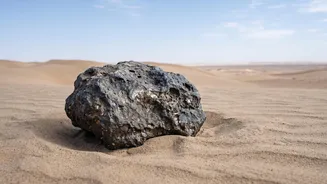
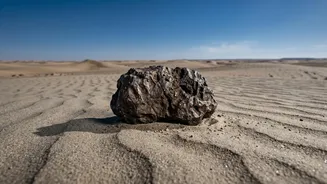
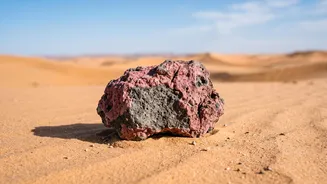
These fragments then drifted through the solar system, sometimes for millions of years, before some were eventually captured by Earth's gravity. Teghaza 001, an 800-gram rock found as eight separate fragments, completed this incredible journey, surviving a fiery entry through our atmosphere to land in the Sahara. Deserts are ideal hunting grounds for meteorites, as the stark, dry landscape makes it easier to spot these dark, out-of-place stones.
From the Desert to the Lab
While the headline notes a delay in its study, the timeline is quite typical for such finds. Discovered by meteorite hunters in 2022 near a salt plain in Mali from which it gets its name, the rock entered the collector's market. It caught the eye of specialists who suspected its otherworldly origin, and it was eventually acquired for scientific study. The process from a nomad's discovery to a laboratory analysis often involves multiple steps and can take months or even years. This period of 'obscurity' is part of the meteorite's modern journey, a crucial bridge between its cosmic past and its scientific future.
The Martian Fingerprint
How can scientists be so sure a rock is from Mars? The confirmation comes from a series of sophisticated tests. The first clue lies in its oxygen isotopes, which act as a 'fingerprint' for different planetary bodies. The oxygen signature of Teghaza 001 matched that of other known Martian meteorites. Furthermore, some Martian meteorites contain trapped pockets of gas that perfectly match the atmospheric composition of Mars as measured by NASA's Viking landers in the 1970s. Though initially classified as a shergottite—the most common type of Martian meteorite—researchers soon realised Teghaza 001 was special. Its unique mineral makeup and texture set it apart from the roughly 435 other Martian rocks known to science.
A Rosetta Stone for Ancient Mars
Detailed analysis revealed the meteorite's true significance, leading one reviewer to call it a 'Rosetta Stone for Mars'. Using advanced dating techniques on tiny zircon crystals within the rock, scientists determined it was over 4.1 billion years old, making it one of the three oldest Martian meteorites ever found. More importantly, its mineral composition showed evidence of being chemically altered by liquid water around that time. This suggests that a dynamic water cycle, with water interacting with the planet's crust, was active on Mars far earlier than previously thought. The rock provides a physical sample of Mars's southern highlands, a region previously studied only from orbit, giving scientists a tangible piece of the planet's primordial crust.