




Meet the U1 Companion Robot
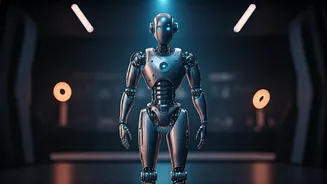
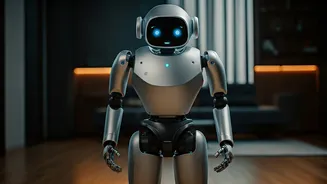
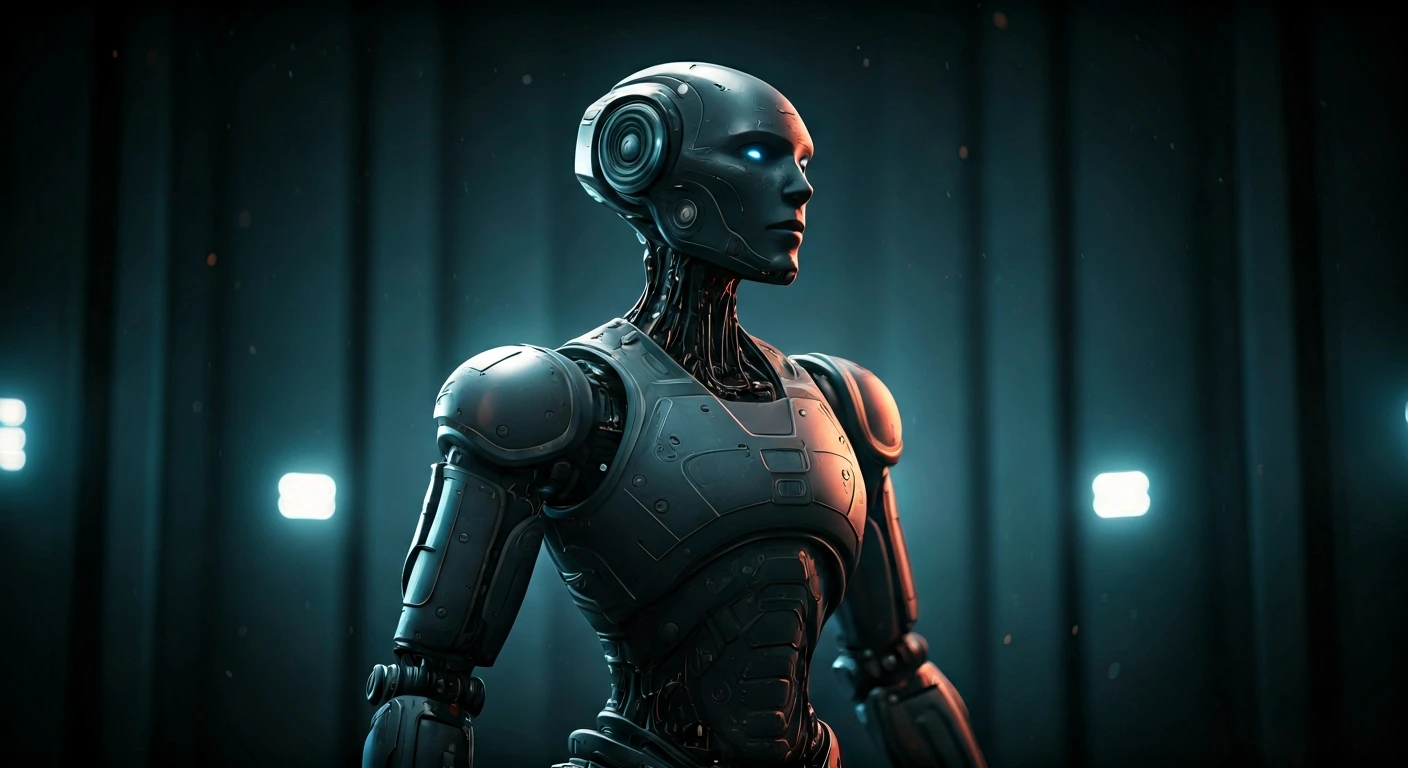
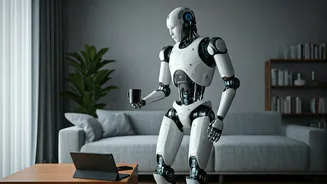
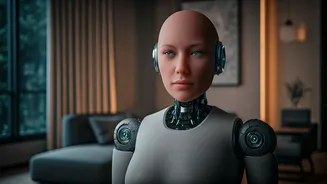
UBTech recently unveiled its U1 series, a line of hyper-realistic, full-sized humanoid robots designed not for factory floors, but for living rooms. Available in male and female models standing up to 183cm tall, the U1 is marketed as a companion robot.
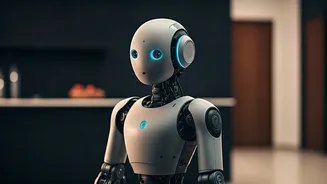
With lifelike silicone skin, expressive eyes, and up to 88 joints for fluid movement, its primary purpose is social interaction and emotional support. It's designed to understand human emotion by analysing facial expressions and tone of voice, remembering personal details to become a better companion over time. The U1 is explicitly not designed for household chores like cooking or cleaning. Instead, it offers conversation, can remind users to take medication, and aims to provide a loyal, non-judgmental presence, primarily targeting single people and the elderly.
The Core Pitch: Privacy First
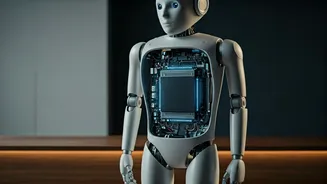
In a tech landscape dominated by devices that send your data to the cloud, UBTech is making a significant strategic bet. The central feature of the U1's marketing is its privacy architecture. The company claims that the robot's emotional AI model, which processes conversations and learns about its user, runs locally on a processor inside the robot itself. All personal data, memories, and interaction logs are encrypted and stored on the device, not transmitted to external servers. This approach, known as on-device or edge AI, is a direct response to widespread consumer anxiety about how tech companies handle sensitive information. By keeping your private life inside your home, UBTech is trying to build trust from the ground up, differentiating itself from smart speakers and other devices that have faced criticism for recording and sharing user data.
Why This Strategy Matters Now
For years, the race in consumer tech has been about adding more features, often powered by massive, cloud-based AI. However, this has come at the cost of user privacy, leading to public distrust and a growing demand for data security. UBTech's decision to prioritize on-device processing is a calculated move to tap into this sentiment. It transforms privacy from a footnote in the terms of service into a headline feature. This strategy acknowledges that for a device as intimate as a live-in robot—one that sees your home and hears your conversations—the ability to guarantee that data stays local could be its most compelling selling point. The success or failure of the U1 could therefore serve as a major test case for the entire consumer electronics industry: are customers willing to value privacy as much as, or even more than, raw computing power?
The Price of Trust and Technology
This privacy-centric approach comes with challenges. On-device processing is technically demanding and can be less powerful than what cloud-based supercomputers can offer. Furthermore, the U1 is a premium product. Prices range from approximately $17,650 for a semi-torso 'Lite' model to over $140,000 for the full-body 'Ultra' version. Despite the steep cost, the company reports strong initial interest, with over 13,000 pre-orders logged ahead of its September shipping date. However, the product's long-term success will depend on whether its performance meets the high expectations set by its price tag and whether the on-device AI is truly capable enough to deliver the promised nuanced companionship. UBTech is betting that for a select group of early adopters, the peace of mind that comes with local data processing is a luxury worth paying for.