

The Rush of the Ride: Cycling for Stress Relief
Outdoor cycling is a powerful tool for unwinding, blending physical exertion with a change of scenery. The core of its relaxing power lies in its aerobic nature. A brisk ride increases heart rate and circulation, triggering a release of endorphins—neurochemicals
that act as natural mood elevators and painkillers. This is the science behind the “post-ride buzz” that leaves many feeling euphoric and clear-headed. The rhythmic, repetitive motion of pedaling can also induce a meditative state, allowing your mind to wander from daily stressors while you focus on the road or trail ahead. Furthermore, being outdoors provides its own set of benefits. Exposure to natural light and green spaces has a proven calming effect, helping to lower stress and combat feelings of anxiety and depression. It offers an escape from the confines of an office or home, providing mental space and a feeling of liberation.
Meditation in Motion: The Gentle Power of Tai Chi
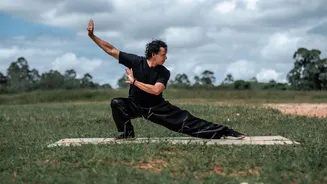
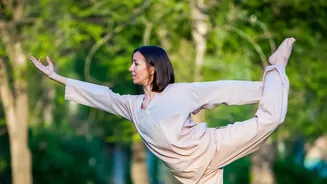
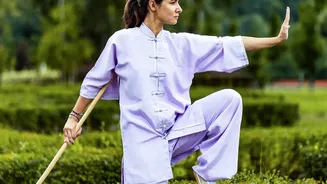
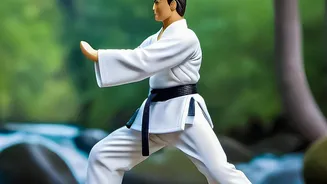
Tai Chi, an ancient Chinese martial art, takes a much different approach to relaxation. Often described as “meditation in motion,” it involves slow, graceful, and deliberate movements paired with deep, focused breathing. This practice promotes serenity by connecting the mind and body, forcing you to remain in the present moment and set aside distracting thoughts. Instead of an endorphin rush from high-intensity effort, Tai Chi’s calming effect comes from its ability to soothe the nervous system and reduce muscle tension. Scientific studies have underscored Tai Chi’s potential to mitigate perceived stress, anxiety, and depression. Its low-impact nature makes it accessible to almost anyone, regardless of age or fitness level, and it requires no special equipment, meaning it can be practiced almost anywhere.
Mental Focus: Escape vs. Presence
The primary mental difference between the two lies in their approach to focus. Outdoor cycling often promotes a state of mindful distraction. The need to watch the path, change gears, and react to the environment keeps your mind occupied, effectively pushing out intrusive, stressful thoughts. It’s an active escape where the external world commands your attention, giving your internal world a much-needed break. Tai Chi, conversely, is an exercise in intentional presence. Practitioners are encouraged to focus inward, paying close attention to their breath and the precise sensations of each movement. The goal isn’t to escape your thoughts, but to observe them without judgment as you move, fostering a sense of inner calm and control that can last long after the session ends.
Physicality and Accessibility
When it comes to physical demands, the two activities are worlds apart. Cycling is a cardiovascular workout that can range from a gentle ride in the park to a grueling mountain climb. It builds muscle strength, improves circulation, and can be as intense as you want it to be. However, it requires a bicycle and, for many, a safe and accessible outdoor space. Tai Chi is a low-impact exercise that emphasizes flexibility, balance, and core strength. It is gentle on the joints and muscles, making it an excellent choice for older adults or those with physical limitations. Its accessibility is a key advantage; it can be done in a small space, indoors or out, with no equipment needed, making it easy to integrate into a daily routine.
Which is Right for You?
Choosing between outdoor cycling and Tai Chi for relaxation depends entirely on your personality and what you seek from a stress-relieving activity. If you find peace through physical challenge, fresh air, and the thrill of movement, cycling is likely an excellent fit. It’s for those who de-stress by “burning off” energy and find mental clarity through physical exertion and a change of environment. If you’re looking for a practice that calms the mind through quiet contemplation, controlled breathing, and gentle movement, Tai Chi is the superior choice. It is ideal for individuals who want to reduce stress by turning inward, improving mindfulness, and cultivating a state of mental and physical harmony. Some research even suggests that while both are effective, Tai Chi's meditative component may give it an edge for reducing stress and anxiety.