





Wheat: The Heart of the North
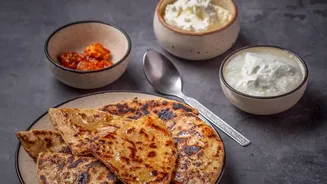
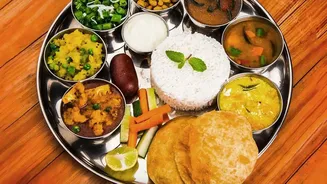
In the fertile plains of North India, wheat is king. The cooler climate and rich soil make it the primary staple grain, and this is deeply reflected in the region's breakfast habits. The most iconic morning meal is the paratha, a versatile flatbread that
can be enjoyed plain or stuffed with a variety of fillings. Aloo paratha, filled with spiced mashed potatoes, is a universal favorite, often served with a side of yogurt, pickle, and a dollop of butter. Other popular versions include gobi (cauliflower), paneer (cottage cheese), and mooli (radish). Another beloved wheat-based breakfast is poori, a deep-fried bread that puffs up into a golden orb, traditionally paired with a spicy potato curry (aloo sabzi) or a hearty chickpea stew (chole). These wheat-centric dishes are robust and filling, designed to provide sustained energy for the day ahead, a culinary tradition shaped by centuries of agriculture in the region.
Rice: The Southern Staple
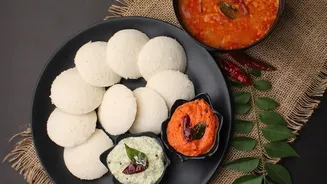
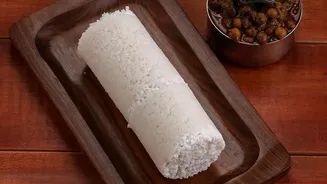
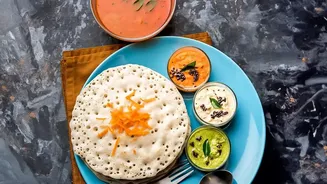
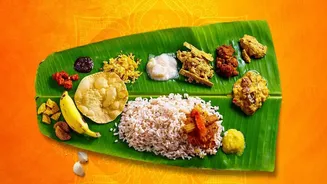
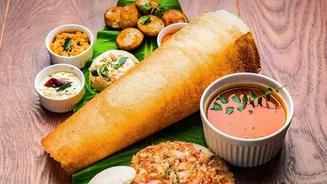
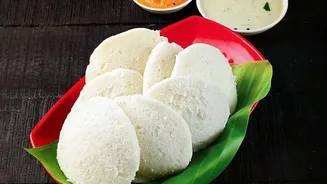
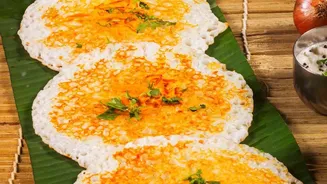
Travel south, and the breakfast plate transforms. In the tropical, humid climate of Southern India, rice reigns supreme. Here, the grain is used in countless ingenious forms, often involving fermentation, which makes the food light and easy to digest. The quintessential South Indian breakfast duo is idli and dosa. Idlis are soft, fluffy steamed cakes made from a fermented batter of rice and lentils (urad dal), perfect for soaking up sambar and coconut chutney. The same batter, when spread thinly on a hot griddle, becomes a dosa—a crispy, savory crepe that can be served plain or filled with a spiced potato mixture to make masala dosa. Beyond these, there's puttu from Kerala, a steamed cylinder of ground rice and coconut, and Pongal from Tamil Nadu, a comforting porridge-like dish of rice and lentils cooked with pepper and cumin. These rice-based breakfasts are a testament to the region's culinary creativity, turning a single grain into an endless variety of morning meals.
Millets: The Ancient Power Grains
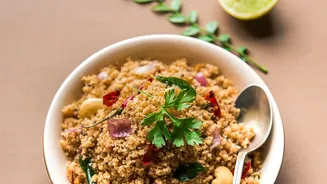
In the arid and semi-arid regions of the Deccan plateau and states like Karnataka and Rajasthan, hardy millets have been a source of sustenance for generations. Long before wheat and rice became dominant, grains like ragi (finger millet), jowar (sorghum), and bajra (pearl millet) were the staples. Today, they are celebrated for their nutritional benefits, being rich in fiber, protein, and essential minerals. In Karnataka, ragi mudde, a steamed ball of ragi flour, is a traditional and filling breakfast served with a spicy sambar. Millets are also incredibly versatile and can be adapted into familiar breakfast formats. You can find recipes for millet dosas, millet upma, and even millet pongal. These grains provide slow-release energy, keeping you full for longer, and their resurgence in modern kitchens highlights a return to traditional, climate-appropriate foods.
Beyond the Big Three: Poha and Upma
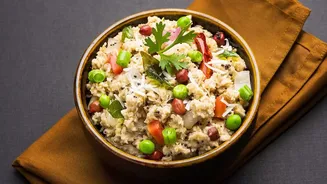
Some of India's most popular breakfast dishes are defined not by a single region's dominant grain but by their speed and versatility. Poha, made from flattened or beaten rice, is a prime example. It's a quick-cooking dish popular across Western and Central India, especially in Maharashtra and Madhya Pradesh. The flattened rice is quickly rinsed and then sautéed with onions, peanuts, and a tempering of mustard seeds and curry leaves. Similarly, Upma is a thick, savory porridge typically made from coarse semolina (rava or sooji), a byproduct of wheat. Popular across the country, especially in the South, it's a quick and satisfying meal often cooked with vegetables. Both poha and upma demonstrate how processed forms of rice and wheat can be transformed into convenient, delicious, and nourishing breakfasts that transcend strict regional boundaries.