
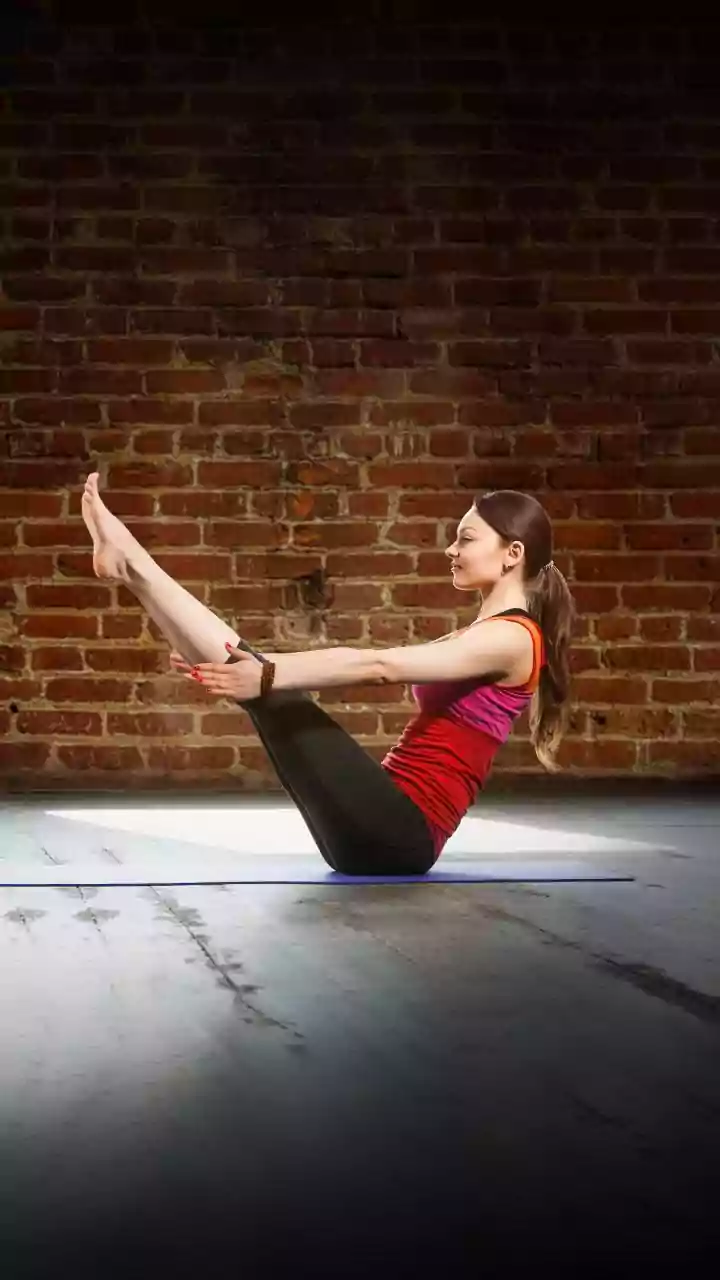
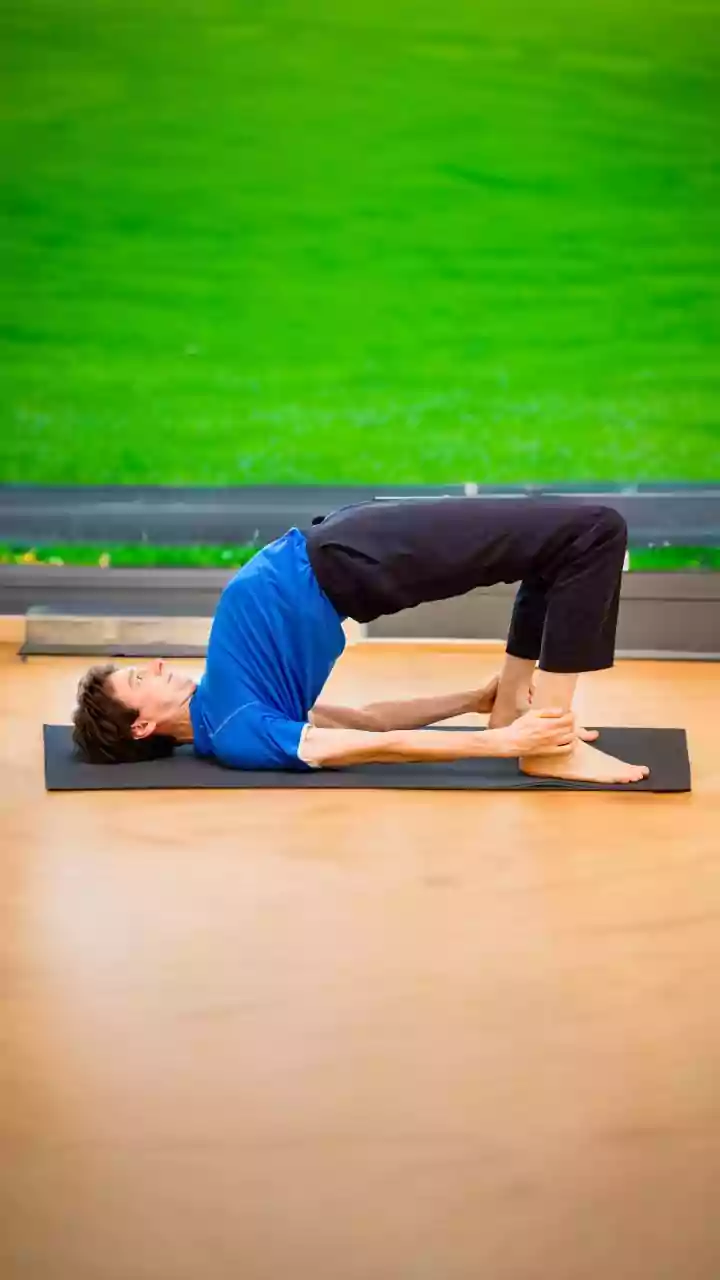

The Pilates Approach: Control and Precision
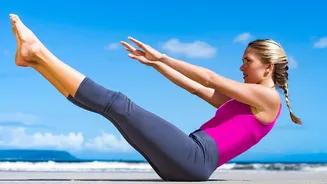
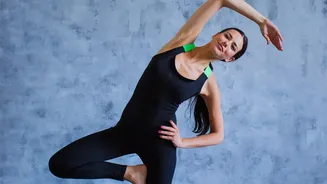
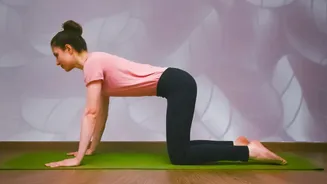
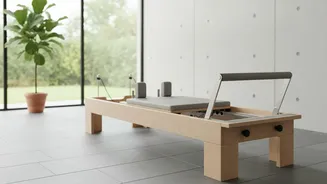
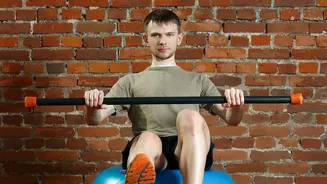
Pilates is a low-impact form of exercise that emphasizes controlled movements, proper alignment, and deep breathing. Developed over a century ago, its primary goal is to strengthen the bod
The Circuit Training Method: Speed and Power
Circuit training is a fast-paced, high-energy workout style that
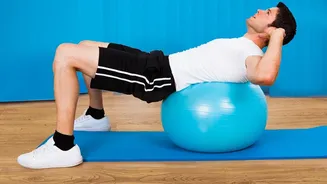
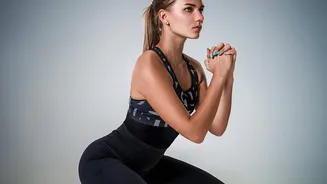
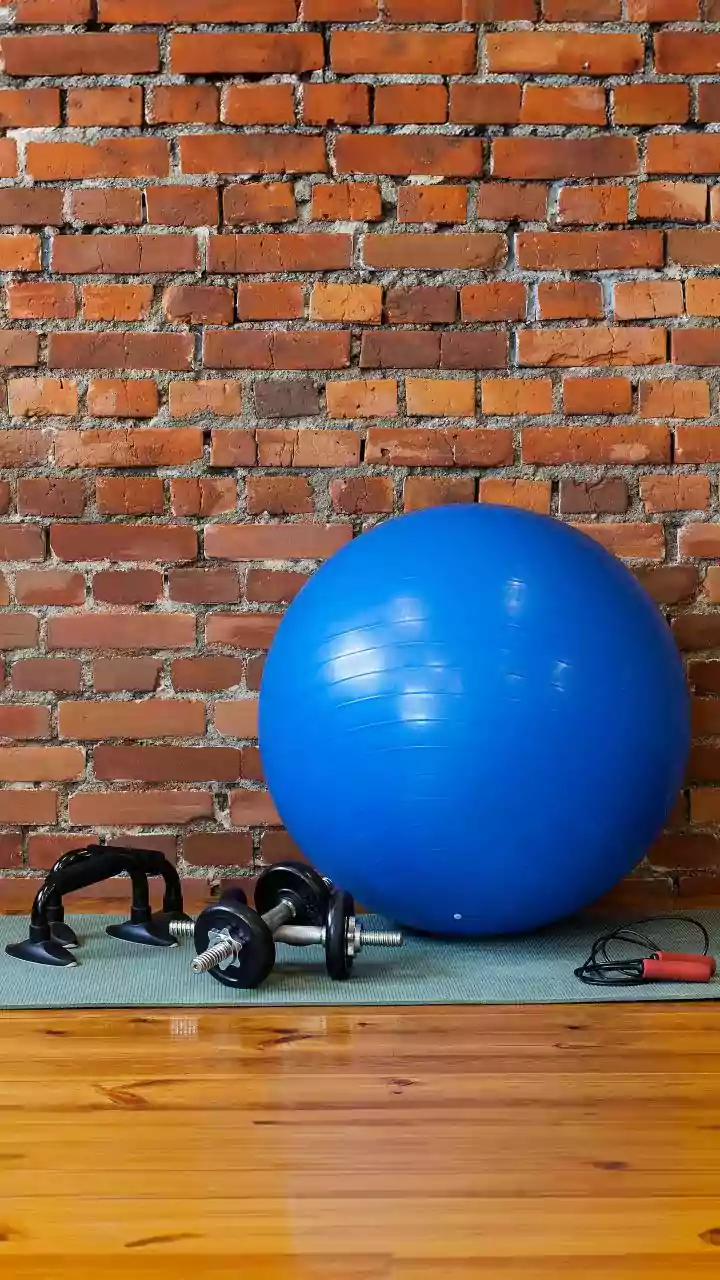
combines strength training and cardiovascular exercise. It involves moving through a series of 8-10 different exercise stations with minimal rest in between. One circuit might include a mix of bodyweight exercises like push-ups and planks, cardio bursts like jumping jacks, and movements with weights like squats or bicep curls. The goal is to keep your heart rate elevated while working multiple muscle groups, making it a highly efficient, full-body workout that can often be completed in 30 minutes. This format is great for building overall strength, boosting metabolism, and improving cardiovascular health simultaneously.
Core Strength: Deep Stability vs. Dynamic Power
Both methods will strengthen your core, but they do so differently. Pilates is renowned for its focus on the deep, internal core muscles, like the transverse abdominis, which acts like a corset for your midsection. It teaches you to stabilize your spine and pelvis before you even move, building a foundation of support from the inside out. Circuit training strengthens the core in a more dynamic, functional way. Compound movements like squats, lunges, and kettlebell swings require your core to work hard to stabilize your body against powerful, full-body actions. This builds a core that's strong and responsive during high-intensity activity.
Pace And Intensity: Mindful vs. High-Energy
The atmosphere of a Pilates class is generally calm and focused. The pace is deliberate and controlled, encouraging a strong mind-body connection. You’ll concentrate on your breathing and the precise execution of each movement. While it can be incredibly challenging, it's considered low-impact and puts minimal stress on the joints. Circuit training is the opposite. It’s loud, fast, and built on intensity. The aim is to push yourself, keep moving, and get your heart rate up. The minimal rest periods are designed to challenge your muscular endurance and cardiovascular system. It’s a workout that will definitely make you sweat.
Which Is Right For You?
Choosing between Pilates and circuit training depends entirely on your goals and personality. If you want to improve your posture, gain flexibility, and build deep core stability through mindful, precise movements, Pilates is an excellent choice. It's especially beneficial for beginners learning to engage their core properly or those rehabilitating an injury. If you are motivated by high-energy workouts, want to burn more calories in less time, and aim to build overall strength and cardiovascular fitness, then circuit training is likely a better fit. It offers variety and a powerful full-body challenge in every session.