




The Superfood Myth
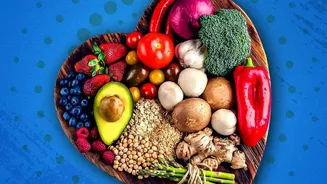
First, let's clarify: "superfood" is a marketing term, not a scientific one. While foods like quinoa and acai berries are certainly nutritious, the label often creates the false impression that health comes with a high price tag. The reality is that nutritional
power isn't exclusive to imported goods. A balanced diet relies on a variety of whole foods, and many of the most beneficial ingredients have been staples in Indian kitchens for generations. True health comes from consistent, balanced dietary patterns, not from a single magical ingredient.
Foundation of the Frugal Pantry: Dals and Grains
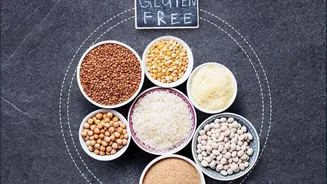
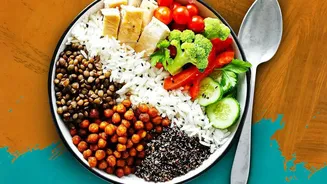
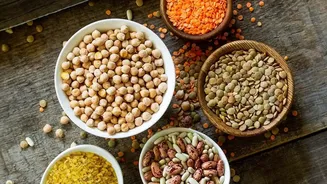
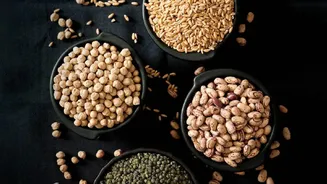
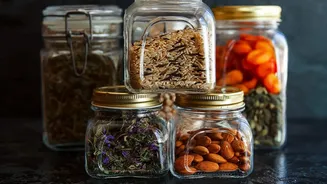
The backbone of a healthy and budget-friendly pantry is built on whole grains and legumes. Items like lentils (dal), chickpeas (chana), and kidney beans (rajma) are nutritional powerhouses, packed with plant-based protein, fibre, iron, and folate. They are inexpensive, versatile, and have a long shelf life. Similarly, whole grains like brown rice, oats, and millets (like jowar and bajra) provide sustained energy and essential nutrients. Combining a dal with rice or a millet creates a complete protein, offering the same benefits as expensive grains like quinoa.
Smart Swaps for Trendy Ingredients
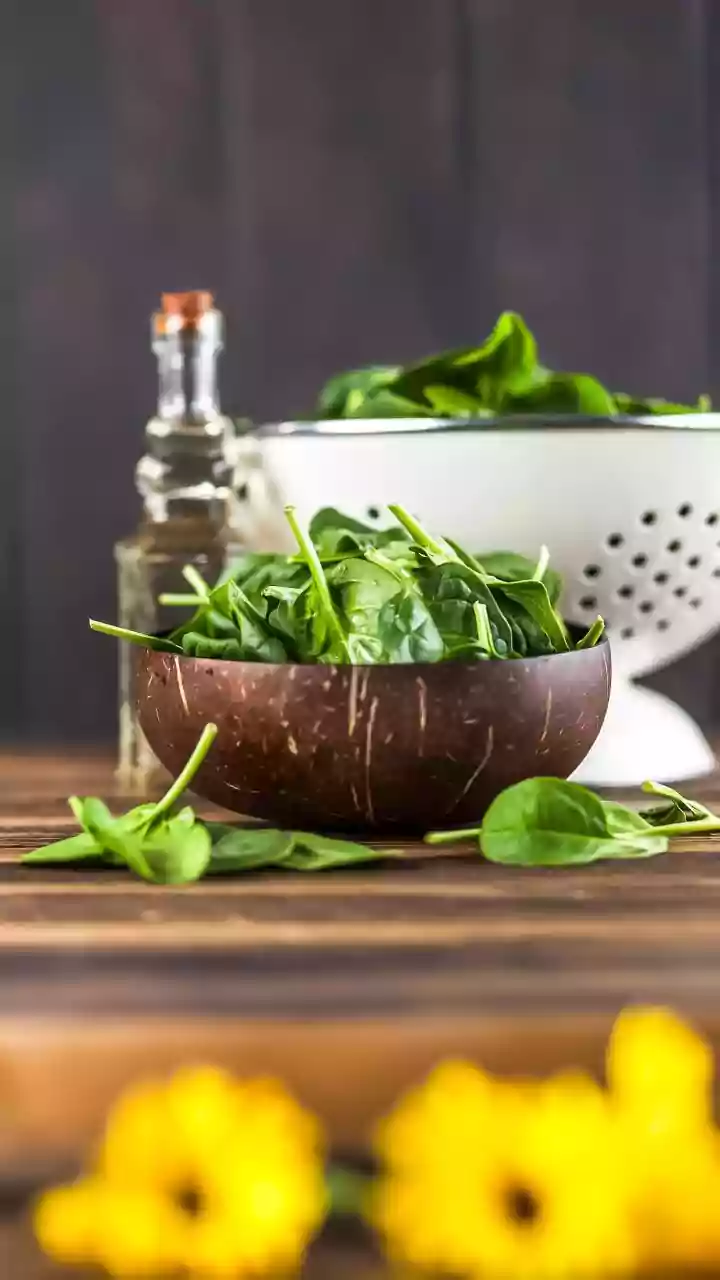
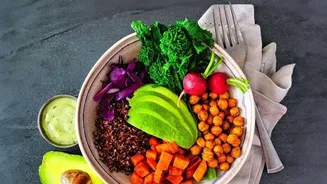
Many trendy international superfoods have equally nutritious and far more affordable local counterparts. Instead of chia seeds, try sabja (basil seeds) or flax seeds (alsi), which also provide omega-3s and fibre. Local amla (Indian gooseberry) contains significantly more vitamin C than imported blueberries or acai berries. Rather than expensive kale, local greens like spinach (palak) or cabbage offer a wealth of vitamins and minerals. And instead of quinoa, consider amaranth (rajgira) or buckwheat (kuttu), which are also gluten-free and nutrient-dense.
Unsung Heroes: Spices and Everyday Produce
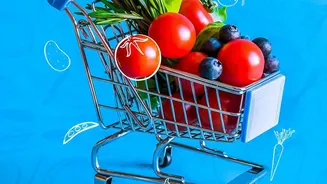
Don't underestimate the power of your spice box and local vegetable vendor. Turmeric, ginger, cinnamon, and garlic are not just for flavour; they are loaded with anti-inflammatory and antioxidant properties. Everyday vegetables like potatoes, carrots, onions, and tomatoes form the base of countless healthy meals. Potatoes, for instance, are a great source of Vitamin C, B6, and potassium. Focusing on seasonal produce is another key strategy. When fruits and vegetables are in season, they are at their nutritional peak and their most affordable.
Practical Tips for Smart Shopping
Building a healthy pantry is as much about habits as it is about ingredients. Planning your meals for the week helps you buy only what you need, reducing food waste and impulse purchases. Buying dried goods like beans, lentils, and grains in bulk is often cheaper per serving than buying smaller packages. Learn to love your freezer; it’s perfect for storing frozen vegetables, which are just as nutritious as fresh and can prevent spoilage. Finally, reading labels is crucial. Opt for foods with simple, recognizable ingredients and avoid those with excessive added sugars, sodium, and unhealthy fats.