





The Numbers Don't Lie
For years, the narrative was that streaming would be the final nail in the cinema's coffin, especially for digital natives. Yet, recent data paints a dramatically different picture. Gen Z, born between 1997 and 2012, has emerged as the most enthusiastic
and frequent movie-going demographic. According to a 2026 Fandango study, a staggering 87% of Gen Z had seen a film in a theatre over the past year, outpacing Millennials (82%), Gen X (70%), and Baby Boomers (58%). Industry reports from 2025 showed a 25% year-over-year jump in cinema attendance frequency for this group. This isn't just a fleeting visit; young audiences are averaging around six to seven cinema trips annually, proving their commitment to the big screen. They aren't just showing up; they are also spending more on premium formats like IMAX and concessions, signaling that they see theatrical viewings as a premium outing.
An Antidote to the Algorithm
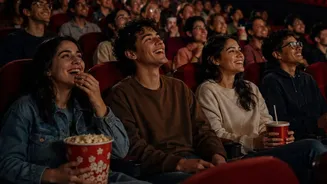
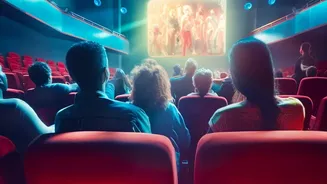
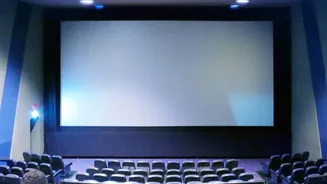
So, what's driving the generation of smartphones back into dark theatres? The answer lies in what the cinema offers that a streaming service cannot: a genuine, shared human experience. After years marked by pandemic-induced isolation, there is a palpable hunger for in-person, communal events. For many in Gen Z, the cinema has become a vital “third space”—a social hub away from home and work where they can connect with friends. It’s also a rare sanctuary from the relentless ping of notifications and the endless scroll. The cinema is one of the few modern spaces that demands your full attention, offering a two-hour digital detox where you are forced to be present and immersed in a story without distraction. This dedicated time for focus in a collective setting is becoming a luxury worth paying for.
The Movie as a Must-See Event
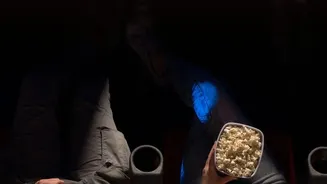
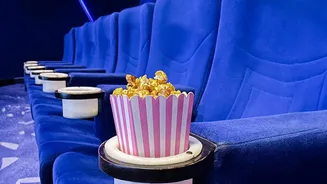
For Gen Z, going to the movies is no longer just a passive activity; it's a social occasion. The release of a major film has been “eventized,” transforming from a simple viewing into a multi-part cultural happening. The experience starts long before the opening credits, with coordinated outfits and group chats buzzing with anticipation. It continues in the theatre lobby, with themed photo-ops and collectible merchandise like novelty popcorn buckets becoming part of the ritual. This trend was perfectly encapsulated by the “Barbenheimer” phenomenon, which saw audiences flock to theatres in costume, ready to participate in a global cultural moment. The film itself is just one piece of a larger social puzzle that includes the pre-movie hype, the in-cinema atmosphere of shared gasps and laughter, and the all-important post-movie debrief with friends.
Fueled by Social Media FOMO
Ironically, the very platforms blamed for shortening attention spans are now driving audiences to the multiplex. Social media sites like TikTok, Instagram, and the film-centric app Letterboxd play a crucial role in building hype and creating a sense of FOMO (Fear Of Missing Out). When a new movie drops, it instantly becomes a subject of viral memes, fan edits, and heated online debates. To be part of that real-time conversation, you have to see the film on opening weekend. Watching it on a streaming platform weeks later means you've missed the boat. For a generation that values cultural currency, being able to participate in the discourse as it happens is essential. The moviegoing experience doesn't end when the credits roll; it extends online, where rating, reviewing, and sharing your take is the final act of participation.