

What the Science Says
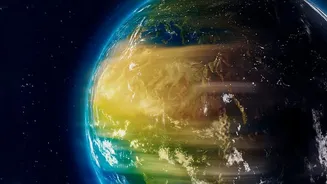
The core finding of recent climate studies is a fundamental rewiring of the Earth's water cycle. Traditionally, a significant portion of rain that falls over land originates from moisture evaporated from the land itself—from soil, forests, and lakes.
This is known as terrestrial moisture recycling. However, research indicates a trend where more of our atmospheric moisture is now coming from the oceans. A warmer atmosphere can hold more water vapor, about 7% more for every 1°C of warming. This supercharges the atmosphere, allowing it to pull more moisture from the vast surface of the oceans and transport it over longer distances. One study showed that raindrops in some regions are now traveling 50 to 80 kilometers farther than they did a few decades ago.
A Thirstier Land, a Wetter Ocean
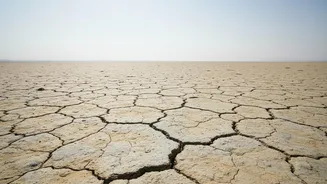
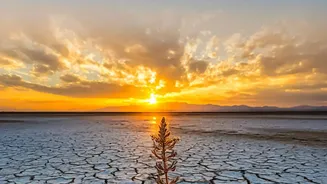
This shift has a primary, concerning effect: it makes dry areas drier and wet areas wetter. As evaporation from land decreases and evaporation from oceans increases, the net result is a transfer of freshwater from continents to the sea. Climate models predict that as this trend continues, the middle of continents may become drier while coastal regions become wetter. This doesn't just mean gentle showers by the coast. It means the potential for more extreme, intense rainfall events in these areas, as the moisture-laden air from the ocean finally releases its heavy load. Conversely, inland areas that rely on recycled moisture could face longer and more severe droughts as their local source of rain diminishes.
Implications for India's Weather
For a country like India, which is so profoundly shaped by its monsoons, any change to the water cycle is critical. The intensification of the cycle could have dramatic effects. While a weaker monsoon is a major concern, leading to agricultural distress, the opposite is also a threat. A warmer Arabian Sea, for instance, can feed more moisture into weather systems, potentially leading to the kind of extreme rainfall events that cause devastating urban and rural floods. The traditional, predictable rhythm of the seasons is being replaced by a pattern of increased volatility. This could mean sharper swings between prolonged dry spells and dangerously intense bursts of rain, challenging everything from water management and agriculture to urban planning and disaster response.
The Bigger Picture: A Global Re-Plumbing
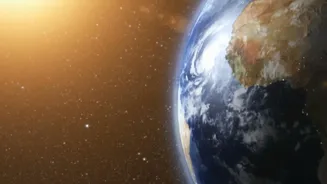
This shift is part of a larger pattern of change. Scientists are observing that major weather systems, such as atmospheric rivers—vast corridors of moisture in the sky—are also shifting their paths, generally moving toward the poles. This alters where these crucial water-delivering storms make landfall, potentially depriving regions like the subtropics of needed rain while increasing flood risk further north or south. This planetary-scale re-plumbing means that the water security of a region is increasingly tied to climate events happening thousands of kilometers away. What happens over the Pacific or Atlantic Ocean now has a more direct and potent impact on whether a farmer's field in the continental interior gets the rain it needs. It underscores the interconnectedness of our global climate system.