






A Dish for Devotion
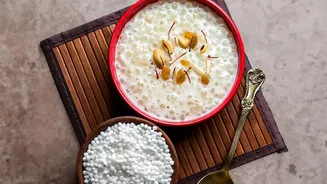
During Navratri, when devotees observe fasts, food choices are guided by tradition and the need for sustained energy. Sabudana, or tapioca pearl, fits the criteria perfectly. As it's derived from a root and not a grain, it is considered a permissible
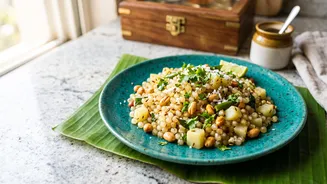
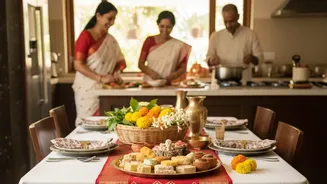
food for 'vrat'. The dish is light on the stomach yet rich in carbohydrates, providing a much-needed energy boost to get through the day. But beyond its practical benefits, Sabudana Khichdi evokes a sense of comfort and continuity. It's a meal that connects generations, a taste that signals a time of spiritual reflection and celebration across many Indian households.
The Surprise History of Sabudana
While it feels like an ancient part of Indian culinary tradition, sabudana has a surprising origin story. The tapioca plant is not native to India. It was introduced to the Travancore region, now part of Kerala, from Brazil in the late 19th century. The local king promoted its cultivation as a resilient food source to fight potential famines. It was only later, primarily in Salem, Tamil Nadu, that the process of turning tapioca root into the familiar white pearls was perfected. From a humble famine-fighter, it has transformed into a beloved festival food, showcasing India's incredible ability to adopt and integrate new ingredients into its rich cultural fabric.
The Art of a Perfect Khichdi
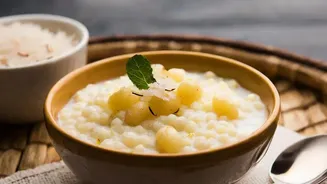
The true test of a great Sabudana Khichdi lies in its texture: each pearl should be soft, separate, and translucent, never a sticky, lumpy clump. Achieving this perfection is an art, but one based on simple science. The secret begins with soaking. First, rinse the sabudana under cold water to wash away excess surface starch. Then, soak it in just enough water to cover the pearls for a few hours. The goal is for them to become tender all the way through but still hold their shape. Press a pearl between your fingers; if it mashes easily, it's ready. Over-soaking in too much water is the primary cause of a mushy final dish.
Tips for a Fluffy Finish
Once your sabudana is properly soaked and drained, a few more tricks ensure success. Coarsely ground roasted peanuts are not just for flavour and crunch; they are essential for absorbing any excess moisture, helping to keep the pearls separate during cooking. When you add the sabudana to the pan, cook it on a medium-low flame. High heat can make it gummy. Stir gently and sparingly—just enough to cook it evenly. Constant stirring can break the delicate pearls and release starch, leading to stickiness. Let it cook until the pearls turn from opaque white to translucent, which indicates they are cooked through.
Balancing Taste and Nutrition
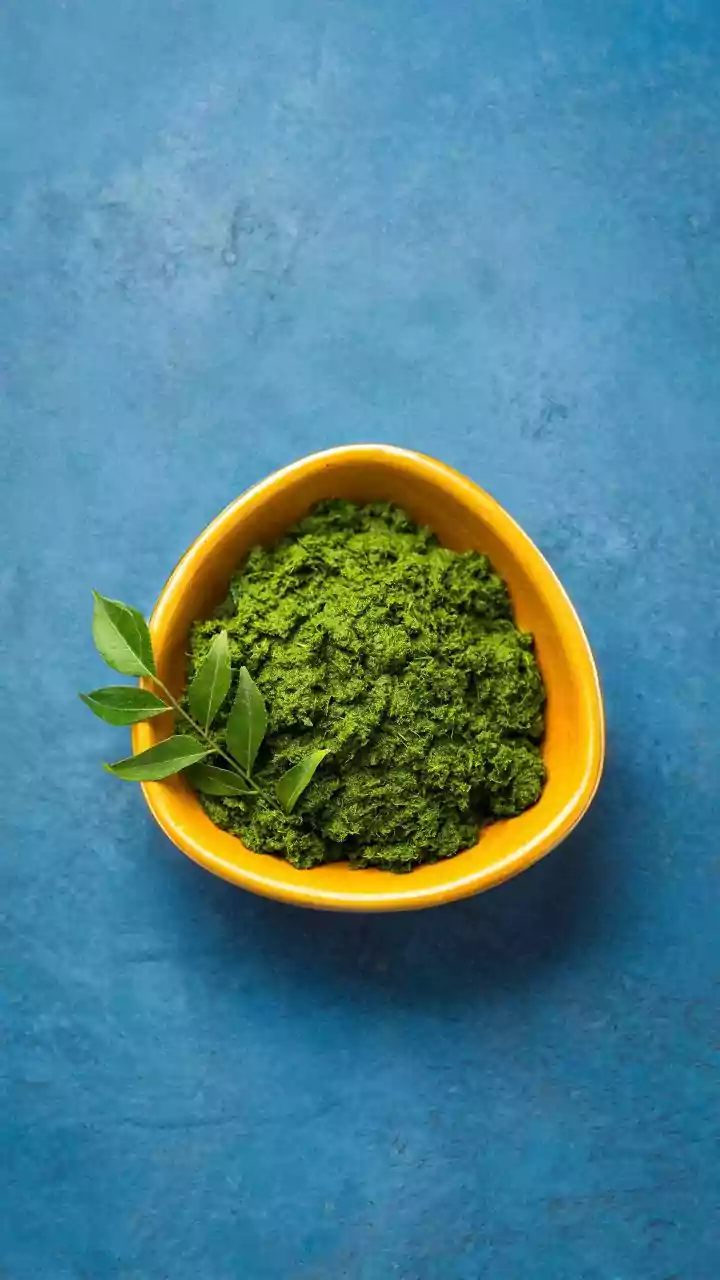
While Sabudana Khichdi is a fantastic energy source, it is primarily carbohydrates. To make it a more balanced meal, the other ingredients play a crucial role. Potatoes add more carbs but also texture. The peanuts bring in protein and healthy fats. Using ghee for tempering adds flavour and is a traditional fat source. Fresh ingredients like green chillies, coriander, and curry leaves provide flavour without adding bulk. A final squeeze of lemon juice not only brightens the taste but also adds a dose of Vitamin C, cutting through the richness of the starch and peanuts to create a perfectly balanced and satisfying fasting meal.