





After days of festive indulgence, the urge to 'detox' with an extreme diet is strong. But cardiologists and nutrition experts advise a gentler, more effective approach: returning to normal, balanced meals. Here’s how to reset without the stress.
The Myth of the Quick 'Detox'
The post-Diwali
guilt can be powerful, often pushing people towards quick fixes like juice cleanses or severe calorie restriction. However, health experts warn these popular 'detox' plans can do more harm than good. Drastic diets deprive your body of essential nutrients, leading to fatigue, muscle loss, and a slower metabolism. Your body has a natural, highly efficient detoxification system run by the liver and kidneys, which works best with consistent, balanced nutrition—not deprivation. Cardiologists particularly caution against the yo-yo effect of crash dieting, as the rapid fluctuations in weight can strain the heart. The goal isn't to punish your body for celebrating, but to gently guide it back to a sustainable routine.
Why Cardiologists Favour Balance
From a heart-health perspective, the aftermath of festive eating isn't just about weight; it's about managing inflammation, blood sugar, and cholesterol levels. Days of consuming foods high in sugar, salt, and unhealthy fats can put a strain on your cardiovascular system. Instead of a harsh reset, cardiologists recommend focusing on moderation and balance. Resuming a pattern of normal, home-cooked meals helps stabilize blood glucose levels, which is crucial for the estimated 101 million Indians living with diabetes and 136 million with prediabetes. A balanced approach avoids the metabolic slowdown and potential nutrient deficiencies associated with crash diets, supporting long-term heart health rather than offering a temporary, and often illusory, fix.
Hydration Is Your First Step
One of the simplest yet most effective ways to help your body recover is to rehydrate. Festive foods are often high in salt, which can cause water retention and that familiar bloated feeling. Drinking plenty of water helps flush out excess sodium and supports your kidneys in their natural detoxification process. Aim for 8-10 glasses a day. You can start your morning with a glass of plain or lemon-infused warm water to kickstart your digestion. While hydrating, it's equally important to limit sugary drinks, packaged juices, and excessive alcohol, as these can contribute to dehydration and add empty calories. Herbal teas like ginger or peppermint can also be soothing and aid digestion.
Rebuilding Your 'Normal' Plate
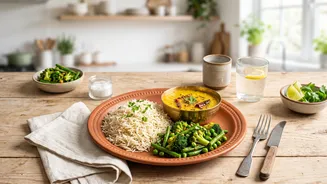
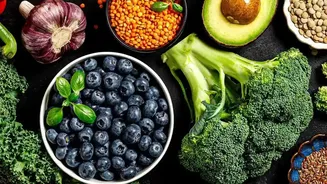
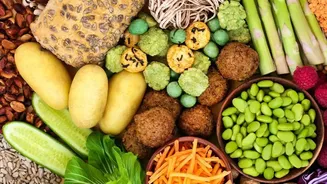
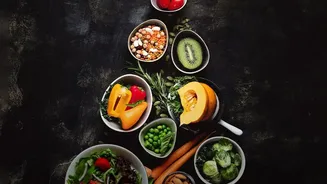
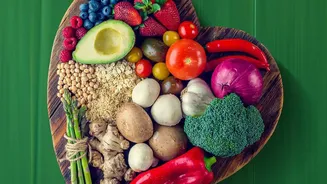
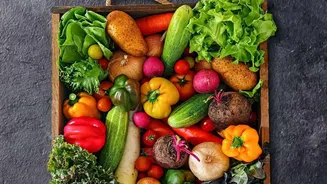
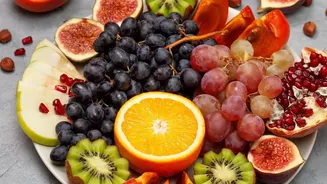
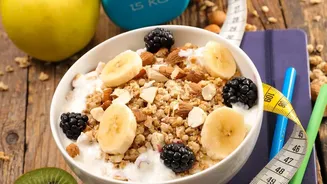
Returning to 'normal' eating doesn't mean bland or boring food. It means re-establishing a balanced plate. Focus on including three key components in your meals: fibre, protein, and healthy fats. Incorporate plenty of fibre_rich vegetables, fruits, and whole grains like oats, dalia, or brown rice. Fibre aids digestion and helps you feel full, reducing the urge to snack on leftover sweets. Ensure each meal has a source of lean protein—such as dal, paneer, eggs, or chicken—to maintain muscle mass and keep your metabolism steady. Don't be afraid of healthy fats from sources like nuts and seeds, which can help manage cholesterol. Simple meals like vegetable khichdi, dal with roti and sabzi, or a vegetable_packed omelette are excellent examples of a nourishing, 'normal' meal.
Don't Skip Meals or Punish Yourself
A common mistake after overindulging is skipping the next meal to 'compensate'. Experts strongly advise against this. Skipping meals can lead to extreme hunger later, often resulting in overeating and poor food choices. It can also send your body into 'starvation mode', slowing your metabolism as it tries to conserve energy. Instead, return to a regular meal schedule. If you're not very hungry, simply have a smaller portion of a balanced meal. The key is consistency. Cardiologist Dr. Alok Chopra emphasizes nourishing your body rather than depriving it, noting that the feeling of deprivation can lead to unhealthy eating patterns. Remember, a few days of festive eating do not define your longterm health; it's your daily habits that matter most.
Incorporate Gentle Movement
Diet is only one part of the equation. Gentle physical activity is a fantastic way to support your body's recovery. You don't need to jump into an intense workout session to make up for festive calories. A simple $10$-$15$ minute walk$, especially after meals$, can significantly aid digestion$, help move gas through your system to reduce bloating$, and assist in managing postmeal blood sugar spikes$. Getting back to your regular exercise routine gradually is more sustainable than overexerting yourself$, which can lead to injury or burnout$. Consistent$, gentle movement complements a balanced diet and helps restore your energy levels and overall sense of wellbeing.