


How Much Scratching Is Normal?
Every dog and cat will scratch, lick, or groom themselves occasionally. It’s a natural behaviour to deal with a minor irritant, like a stray piece of fluff, or simply as part of their grooming routine. Normal scratching is brief, infrequent, and doesn't
seem to cause your pet distress. It shouldn't interrupt their sleep or playtime, nor should it lead to any visible damage to their skin or coat. Think of it as the equivalent of a person having a momentary itch. If it's fleeting and doesn't leave a mark, it's likely nothing to worry about. The concern arises when this occasional act becomes a persistent, seemingly frantic habit.
Red Flags: When Itching Is a Problem
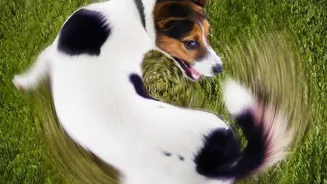
Constant or intense itching, medically known as pruritus, is a major indicator of an underlying issue. If scratching, licking, or chewing interferes with your pet's normal activities like sleeping or eating, it's time to pay closer attention. Other significant warning signs include hair loss, redness, sores, scabs, or a foul odour from the skin or ears. You might also notice your pet rubbing their face against furniture, scooting across the floor, or repeatedly shaking their head. Any change in the skin's colour or texture, such as darkened patches, greasiness, or flakiness, also warrants concern. These symptoms suggest the itching is more than a simple nuisance and may be causing your pet significant pain or discomfort.
Common Culprits Behind the Itch
Several culprits could be responsible for your pet’s discomfort. Parasites are a primary offender; fleas, mites, and ticks can cause intense irritation. In fact, an allergy to flea saliva is one of the most common causes of severe itching in pets. Allergies are another major factor. Just like people, pets can be allergic to things in their environment, such as pollen, mould, and dust mites. They can also have food allergies, often to common proteins like chicken or beef. Beyond parasites and allergies, bacterial and fungal infections can cause significant itchiness, often as a secondary problem after the skin has been damaged by scratching. Less frequently, hormonal imbalances or even stress can manifest as skin problems.
What to Expect at the Vet
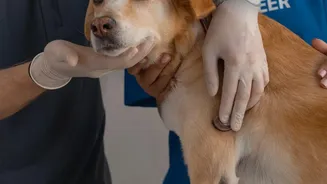
When you take your pet to the veterinarian for a skin issue, the first step is a thorough discussion and examination. Your vet will ask detailed questions about your pet's history: when the symptoms started, if they are seasonal, and what food your pet eats. Next, they will perform a complete physical and dermatological exam, looking closely at your pet's skin, ears, and coat. Based on these findings, your vet may recommend diagnostic tests. This could involve simple, non-invasive procedures done right in the clinic, such as skin scrapings or using tape to collect samples from the skin's surface. These samples are then examined under a microscope to look for mites, bacteria, or yeast cells. In some cases, blood tests or allergy testing might be suggested to pinpoint a specific cause.
How You Can Help Your Veterinarian
You are a crucial partner in diagnosing your pet's skin condition. Before your appointment, gather as much information as possible. Write down a timeline of the symptoms and note any patterns you've observed. Take photos or videos of your pet when the itching is at its worst, as skin conditions can fluctuate. Make a comprehensive list of everything your pet eats, including their main food, treats, and any table scraps. Also, bring a list of all current and past medications, shampoos, and supplements. It's generally advised not to bathe your pet for several days before the appointment, as this can wash away important diagnostic clues from the skin's surface. This preparation ensures your vet has the best possible information to work with, leading to a more accurate diagnosis and effective treatment plan.