





The Allure of Natural Tints
The idea of using kitchen ingredients for beauty is nothing new, but beetroot has gained popularity as a simple way to achieve a temporary reddish hue. Unlike chemical dyes that use ammonia or peroxide to alter hair structure, beetroot provides a gentle
stain. The colour comes from natural pigments called betalains, which coat the outside of the hair shaft. This makes it an appealing choice for anyone with sensitive skin or those looking to avoid harsh chemicals. Beyond the colour, beetroots are packed with nutrients like vitamin C, iron, and antioxidants that can benefit scalp health and add a natural shine.
Managing Your Colour Expectations
The results of a beetroot rinse depend heavily on your starting hair colour and type. Those with light brown, blonde, or grey hair will see the most noticeable results, often a pink or reddish tint. On dark brown or black hair, the effect is much more subtle, usually appearing as a deep reddish or purplish sheen that is most visible in direct sunlight. It's important to remember this is a temporary stain, not a potent dye. The colour will typically fade over several washes, lasting anywhere from a few days to a couple of weeks, depending on how often you shampoo.
Your Simple DIY Beetroot Rinse Recipe
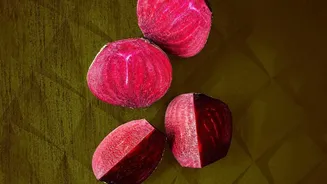
Ready to try it for yourself? Creating a basic beetroot rinse is straightforward. You will need one or two fresh beetroots, a carrier oil like coconut or olive oil, and some protective gear. First, a word of warning: beetroot stains everything it touches, including skin, towels, and clothes. Always wear gloves and old clothing during preparation and application. Apply a barrier cream like petroleum jelly around your hairline and ears to prevent skin staining. To begin, peel and chop one to two beetroots. Using a blender or juicer, extract the juice. Strain any pulp through a fine mesh sieve or cheesecloth for a smoother liquid. Mix the fresh juice with a tablespoon or two of a carrier oil, such as coconut or olive oil. The oil not only helps with application but also adds moisture and shine to your hair.
A Step-by-Step Application Guide
For the best results, start with clean, damp hair. Detangle your hair thoroughly to ensure even application. Working in sections, apply the beetroot mixture from the roots to the tips, making sure to saturate every strand. A wide-toothed comb can help distribute the mixture evenly. Once your hair is fully coated, pile it on top of your head and cover it with a shower cap or plastic wrap to trap heat and prevent drips. Let the mixture sit for at least one to two hours; some people leave it on for longer to achieve a deeper hue, but this also increases the risk of staining. When you're ready, rinse your hair thoroughly with cool or lukewarm water until the water runs clear. It is often recommended to avoid shampooing immediately after rinsing—ideally for about 24 hours—to allow the colour to set.
Aftercare and Maintaining Your Tint
To make your new tint last as long as possible, try to wash your hair less frequently and use cool water when you do. Opting for gentle, sulfate-free shampoos can also help preserve the colour. Since beetroot can be slightly drying for some hair types, especially if used frequently, incorporating a hydrating hair mask into your weekly routine can restore moisture and shine. The colour is designed to be fleeting, so if you enjoy the results, you can reapply the rinse every week or two to maintain the shade.