




Understanding the Magic of Cuttings
Plant propagation is simply the process of creating new plants from existing ones. While it sounds scientific, taking a stem cutting is one of the most straightforward methods. A cutting is a piece of a parent plant, typically a stem or leaf, that can
grow its own roots and become a genetically identical new plant. This works because of nodes—the small bumps on a stem where leaves and aerial roots emerge. These nodes contain the cells necessary to sprout new roots when given the right conditions. The process requires patience, but it's a fascinating way to engage with your plants on a new level.
Gathering Your Simple Toolkit
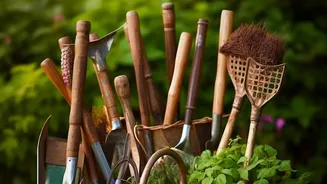
You don’t need a professional greenhouse to get started. Most of what you need is likely already in your home. First, you'll want a clean, sharp pair of scissors or pruning shears. Using clean tools is crucial to prevent transferring diseases to the parent plant or the new cutting. You will also need a small container, like a glass jar or a small pot with drainage holes, depending on your chosen rooting method. If you opt for soil propagation, a well-draining potting mix is essential. While not always necessary, a rooting hormone can speed up the process for more stubborn plants.
The Big Decision: Water or Soil?
There are two popular methods for rooting cuttings: in water or directly in soil. Water propagation is often preferred by beginners because it's visually rewarding—you can watch the roots grow day by day. However, these 'water roots' are finer and need to adjust once transferred to soil, a transition that can shock the plant. Propagating directly in soil creates stronger, more resilient roots that are already adapted to their eventual environment. This method may take a little longer to show results, but it often leads to a more robust plant. Softer stemmed plants like Pothos do well in water, while woodier cuttings often prefer soil.
How to Take the Perfect Cutting
Start by selecting a healthy, vigorous stem from the parent plant. Avoid stems that have flowers, as the plant's energy will be focused on seed production instead of rooting. Using your clean shears, snip a 4- to 6-inch section of the stem. Make the cut at a 45-degree angle just below a node. Next, carefully remove the lower leaves from the cutting, leaving only two or three leaves at the top. This is important because leaves left under the water or soil will rot, and reducing the number of leaves helps the cutting conserve moisture.
Nurturing Your New Plant Roots
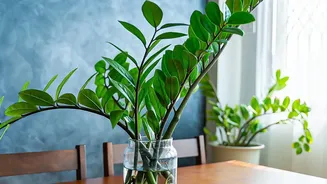
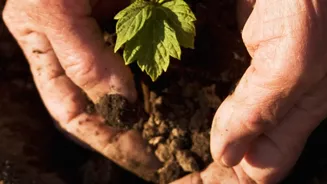
If using water, place the cutting in a jar, ensuring at least one node is submerged but the remaining leaves are above the water line. Keep it in a warm spot with bright, indirect light and change the water weekly to keep it fresh. If using soil, you can dip the cut end in rooting hormone before planting. Make a hole in moist potting soil with a pencil, insert the cutting, and gently firm the soil around it. To create a humid environment that encourages rooting, you can cover the pot with a plastic bag, removing it daily for fresh air. Roots can take anywhere from a few weeks to a few months to develop. When water-propagated roots are about two inches long, it's time to transfer them to a pot with soil.
Great Plants for Your First Try
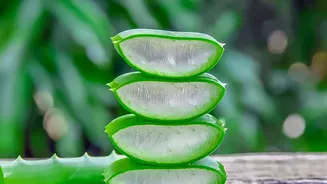
Not all plants are created equal when it comes to easy propagation. For guaranteed success, start with some of the most forgiving houseplants. Pothos, Philodendron, and Tradescantia are known for their vining stems that root quickly in water. Snake Plants and many succulents can be propagated from just a single leaf cutting placed in soil. Other easy-to-propagate favorites include Monstera Deliciosa, ZZ plants, and various succulents that produce offsets or 'pups' that can simply be snipped off and repotted.