

The Divine Nectar: Panchamrit
Panchamrit, which translates to "five nectars," is an essential part of Janmashtami puja. It's a simple, uncooked mixture used for the ritual bathing of the deity's idol (abhishekam) and then distributed as prasad. Each of its five core ingredients carries
deep symbolic meaning. Milk represents purity and nourishment. Curd (dahi) signifies prosperity and growth. Ghee stands for strength and victory. Honey symbolizes unity and sweet speech, while sugar or mishri embodies joy and happiness. To prepare it, you simply combine fresh, raw cow's milk with curd, a spoonful of ghee, honey, and sugar in a clean bowl. Many households also add Tulsi leaves, and some regional variations include nuts, makhana (fox nuts), or even Gangajal (holy water) to enhance its sanctity.
1. Savoury & Refreshing: Gopalkala
Gopalkala is a savoury Maharashtrian dish closely associated with the Dahi Handi celebrations that accompany Janmashtami. It's a quick, no-cook recipe that combines Lord Krishna’s favourite ingredients into a light and refreshing prasad. The dish is made with poha (flattened rice), which is first rinsed and softened. To this, fresh curd, chopped cucumber, and grated coconut are added. The mixture is then seasoned with a tempering, or tadka, prepared by heating ghee and crackling cumin seeds and green chillies in it. Salt is added to taste, and everything is mixed gently. Some variations also include additions like pomegranate seeds, soaked chana dal, or chopped fruits like guava and apple, making it a versatile and wholesome offering.
2. Aromatic & Warming: Dhaniya Panjiri
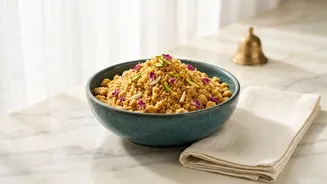
Dhaniya Panjiri is a unique prasad made especially for Janmashtami, often as part of the 'chappan bhog' (56 offerings). Unlike wheat-based panjiri, this version uses coriander seed powder as its base, making it a suitable fasting food. To prepare it, whole coriander seeds are roasted in ghee until aromatic and then coarsely ground. In the same pan, more ghee is used to roast makhana (fox nuts) until crisp, along with chopped nuts like almonds and cashews. Grated dry coconut and melon seeds are also lightly toasted. Once all the roasted ingredients have cooled completely, they are combined with the ground coriander powder and a sweetener like powdered sugar, boora, or jaggery powder. The resulting mixture is a fragrant, crumbly, and nutritious offering that is both digestive and immunity-boosting.
3. Creamy & Comforting: Makhana Kheer
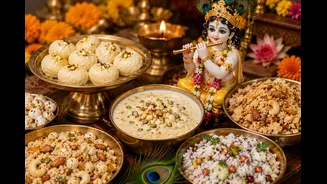
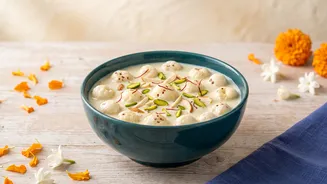
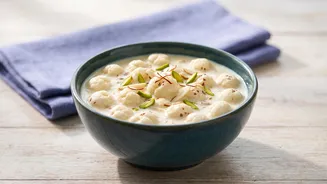
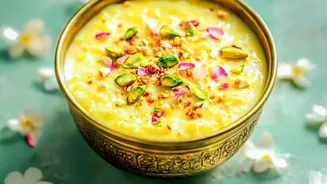
Makhana Kheer is a creamy, decadent pudding perfect for festive occasions and fasting days like Janmashtami and Navratri. Made from phool makhana, or puffed lotus seeds, this kheer is a wonderful gluten-free alternative to traditional rice or semolina kheer. The preparation starts with roasting the makhana in ghee until they become crunchy. A portion of these roasted makhana is then coarsely ground to help thicken the kheer naturally. Meanwhile, whole milk is brought to a boil and simmered until it thickens slightly. The whole and ground makhana are then added to the milk, along with sugar and flavourings like cardamom powder and saffron strands. The mixture is cooked on low heat until the makhana softens and the kheer reaches a rich, creamy consistency. Garnished with slivered almonds and pistachios, it can be served either warm or chilled.