







What Exactly Happened?
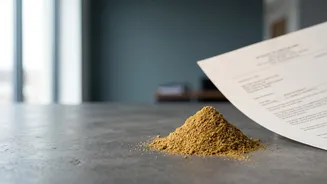
The Food Safety and Standards Authority of India (FSSAI) has directed Everest Food Products Pvt Ltd to immediately withdraw a specific batch of its pre-packed cumin (jeera) powder. The action was taken after lab tests on a sample of the product found
it to be 'unsafe' for consumption under the Food Safety and Standards Act, 2006. FSSAI announced the recall order on October 4, 2026, as part of its ongoing efforts to ensure the safety of food products sold in the country. It is important to note that the recall is for a single, specific batch and not a blanket ban on all Everest products.
Why Was the Powder Recalled?
The recall was issued after tests revealed the presence of pesticide residues above the legally permitted maximum limits. Specifically, the cumin powder sample contained Azoxystrobin and Thiamethoxam. A sample was first collected from a resort in Goa and tested by a Food Analyst. After the initial test declared the sample unsafe, the findings were confirmed by a second, Referral Food Laboratory, which upheld the result. Azoxystrobin is a fungicide used to protect plants from fungal diseases, while Thiamethoxam is an insecticide used to control agricultural pests. While used in farming, their residue in food products must not exceed strict safety thresholds set by FSSAI.
How to Identify the Affected Batch
This is the most crucial part for consumers. The recall applies specifically to Everest pre-packed cumin powder with the following Batch Number: E080668761. You can find this number printed on the packaging of the product. If you have a packet of Everest cumin powder at home, you should immediately check it for this specific number. No other batches of Everest cumin powder are part of this particular recall notice. The company has been instructed to trace and remove all products from this batch from the market.
What to Do If You Have This Packet
If your packet of Everest cumin powder matches the recalled batch number (E080668761), do not use it. Health experts advise against panicking, as the risk from accidental consumption depends on the quantity and frequency of use, but it is essential to stop using the product immediately. You should either dispose of the product or return it to the retailer where you purchased it. FSSAI has directed Everest to manage the recall process, which typically includes facilitating returns or refunds for consumers holding the affected stock. The company is also required to take corrective measures to prevent such contamination from happening again.
Is This Part of a Bigger Trend?
This domestic recall comes after a period of heightened scrutiny for Indian spice brands on the global stage. In April 2024, both Everest and MDH faced action in Hong Kong and Singapore over the alleged presence of a different substance, Ethylene Oxide (ETO), in some of their spice mixes. ETO is a sterilizing agent classified as a carcinogen. Those incidents prompted FSSAI to launch a nationwide sampling and testing drive for all spice brands to ensure compliance with domestic standards. While subsequent FSSAI tests for ETO on domestic samples came back clear, this latest recall for different pesticide residues shows that the regulator is maintaining strict vigilance. It highlights an ongoing effort to enforce food safety norms rigorously across the country.