

Why Go Vintage?
Choosing vintage textiles is about more than just aesthetics; it’s a conscious design choice. These fabrics bring a sense of history and character that mass-produced items often lack. Their worn fibres, softened colours, and unique, often handmade, details
can make a room feel layered, collected, and personal. Using a one-of-a-kind vintage piece allows you to create something entirely bespoke for your space. Furthermore, it’s a sustainable option. Upcycling textiles saves them from landfills and gives them a new purpose, a practice that aligns with a more thoughtful approach to consumption. Vintage fabrics, with their stories embedded in every thread, can turn a simple sofa into a conversation piece.
Fabrics to Hunt For
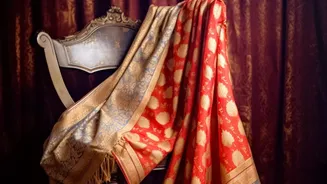
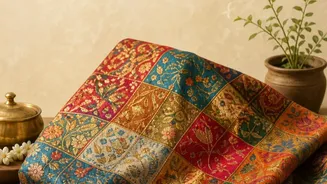
Not all old fabrics are created equal, especially when it comes to durability for a high-use item like a sofa. Look for textiles with a strong weave. Woven patterns are generally more durable than printed ones. Durable choices like vintage damask, brocade, and tapestry are excellent for upholstery due to their intricate patterns and robust construction. Natural fibres like wool and sturdy cotton or linen blends are also great options. While beautiful, delicate silks should be used with caution, as they can degrade in direct sunlight. For a touch of luxury, consider vintage velvet, which adds a rich texture. Don't overlook old quilts, sturdy kilim rug fragments, or even vintage saris, which can be repurposed for incredible, eye-catching cushions or throws.
Where to Find These Treasures
The hunt for the perfect vintage fabric is part of the fun. Flea markets, antique shops, and estate sales are classic sources for uncovering unique textiles. Online marketplaces have also become a go-to destination, offering a vast selection from sellers around the world. Websites like Chairish and specialized online fabric stores often have curated collections of vintage upholstery material. Don't forget to look in unconventional places. A beautifully patterned but damaged vintage dress or a set of old curtains could have enough usable material for a set of stunning cushion covers. Scour these places for hidden gems waiting to be repurposed.
Commitment-Free Updates
Not ready to commit to full reupholstery? You can still achieve a dramatic transformation with no sewing required. The simplest method is draping. A large, beautiful piece of fabric, like a vintage suzani, a quilt, or even a painter's drop cloth for a rustic linen look, can be artfully draped and tucked over your sofa. This method allows you to change the look seasonally or whenever you fancy a refresh. Another easy trick is to simply toss a patterned blanket or a flat-weave rug over the back of a plain sofa to add instant interest. For a more secure fit without sewing, you can use upholstery pins or velcro strips to hold the fabric in place, wrapping the couch like a present.
DIY Cushions and Covers
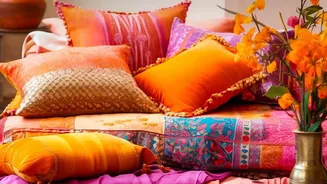
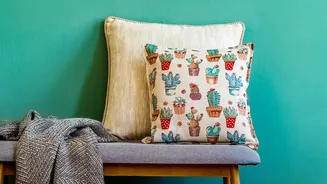
Creating new cushion covers is a fantastic entry-level project. If your sofa has removable cushions, you can use the old covers as a pattern for new ones. For a no-sew alternative, wrap each cushion tightly with your chosen fabric, as if you were wrapping a gift, and secure the fabric on the underside with safety pins or fabric tape. Simply replacing boring, matching pillows with a few decorative ones in vibrant vintage fabrics can completely alter the sofa's personality. A long lumbar pillow in a gorgeous floral or patterned fabric can make a simple, neutral sofa look much more sophisticated.
The Reupholstery Option
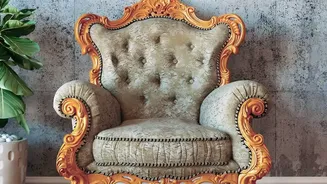
For a truly professional and lasting finish, reupholstery is the ultimate solution. This is a significant undertaking that is often best left to professionals, especially for a large or complex piece of furniture. While it can be a similar cost to buying new, reupholstering a vintage or secondhand piece with a solid frame allows you to create a high-quality, custom item that perfectly suits your style. When choosing this route, keep the scale of the pattern in mind; a large pattern can look awkward on a small chair, while a small pattern might disappear on a large sofa. For a major investment piece, it's often wise to stick with classic patterns on larger furniture to ensure you'll love it for years to come.