




The Great Grain Debate: An Overview
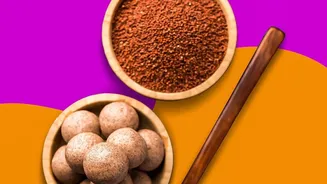
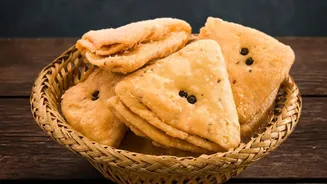
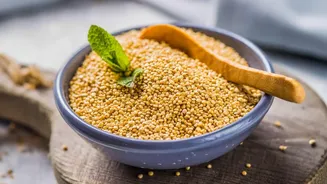
For generations, ragi, or finger millet, has been a staple in Indian households, celebrated for its robustness and rich nutritional profile. Hailing from Africa and Asia, it is deeply woven into our culinary traditions. In the other corner is quinoa,
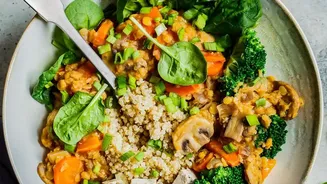
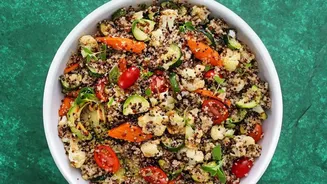
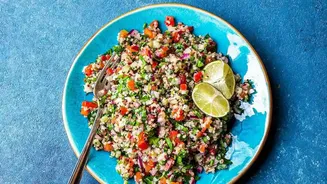
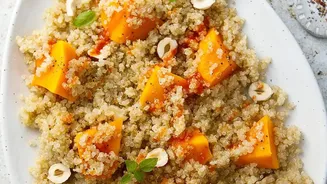
a seed from South America that has gained worldwide fame over the last decade. Its reputation is built on being a 'complete protein', a rare feat in the plant world. Both grains are gluten-free and lauded for their health benefits, but a closer look reveals they serve very different nutritional purposes.
Protein Power: A Complete Picture
Quinoa's main claim to fame is its protein content. It contains all nine essential amino acids, making it a complete protein, which is crucial for functions like muscle repair. Per 100g, uncooked quinoa offers about 14g of protein. Ragi, on the other hand, contains around 7-10g of protein and is not a complete protein. While quinoa is the clear winner on this front, Indian dietary habits often bridge this gap naturally. Ragi is traditionally paired with dal, curd, or legumes, which together create a complete amino acid profile, much like quinoa itself.
The Mineral Match-Up: Calcium and Iron
This is where ragi truly shines and presents a compelling case for Indian diets. Ragi is an absolute powerhouse of calcium. A 100g serving contains approximately 344mg of calcium, which is more than seven times the amount found in quinoa (around 47mg). Considering that many Indian diets can be deficient in calcium, ragi is an exceptional food for bone health, helping to prevent conditions like osteoporosis. When it comes to iron, another mineral of concern, the numbers are more comparable, with some sources giving quinoa a slight edge and others favouring millets like ragi depending on the variety.
Fibre and Digestive Health
Both grains are excellent sources of dietary fibre, which is essential for good digestion, gut health, and feeling full for longer. This makes both ragi and quinoa beneficial for weight management. Nutritional data shows that their fibre content is quite competitive. Some analyses indicate that ragi has a slight advantage with about 11g of fibre per 100g, compared to quinoa's 7g, while other data suggests quinoa has more. Regardless of the minor differences, incorporating either grain into your diet is a significant step up from refined grains like white rice or maida.
Blood Sugar and Glycemic Index
For individuals managing blood sugar levels, both ragi and quinoa are excellent choices. They both have a low glycemic index (GI), which means they release sugar into the bloodstream slowly, preventing sudden spikes. Ragi's low GI is attributed to its high fibre and polyphenol content. Quinoa's combination of protein and fibre also contributes to better blood sugar control. Both can be safely included in a diabetic-friendly diet, offering sustained energy without the crash associated with high-GI foods.
Beyond Nutrients: Cost and Culture
The nutritional debate is important, but practical considerations like cost and accessibility often decide what ends up on our plates. Here, ragi is the undisputed winner in the Indian context. As a locally grown millet, ragi is significantly more affordable than quinoa, which is mostly imported and carries a premium 'superfood' price tag. For a family consuming grains daily, this cost difference is substantial. Furthermore, ragi is a familiar ingredient in Indian cooking, easily incorporated into traditional dishes like rotis, dosas, and porridge, whereas quinoa's texture and taste can be unfamiliar to some palates.