






A Park Reawakened for 2026-27
Kaziranga National Park officially reopened for the 2026-27 tourist season on October 3, 2026. The reopening was formally inaugurated by Assam's Environment and Forest Minister, Jayanta Mallabaruah, at the Central Kohora Range. Following the annual closure,
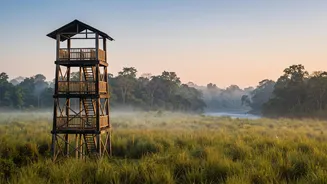
jeep safaris have now commenced in the Kohora (Central) and Bagori (Western) ranges, with other zones like Agaratoli and Burapahar expected to open progressively. These safaris are running in two daily slots: a morning session from 7:30 AM to 10:00 AM and an afternoon session from 1:30 PM to 3:00 PM. While jeep tours are underway, the popular elephant safaris are anticipated to start by early November, pending final ground and animal preparations.
The Necessary Monsoon Pause
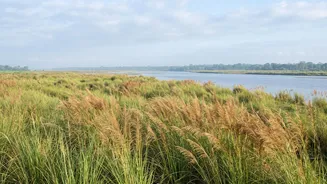
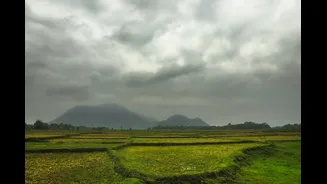
The yearly closure is not just a tradition but a crucial ecological necessity. Situated on the floodplains of the mighty Brahmaputra River, large areas of the park are submerged during the intense monsoon season, which typically runs from May to September. This natural flooding makes safari trails impassable and dangerous. The closure serves a dual purpose: ensuring visitor safety and allowing the ecosystem a period of undisturbed regeneration. During these months, the grasslands and wetlands rejuvenate, and wildlife, including the park's rhinos and deer, migrate to higher ground in the nearby Karbi Hills to breed and seek refuge from the high waters.
Meet the Famous Residents
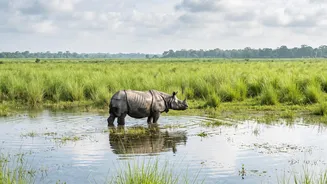
Kaziranga is globally celebrated as a UNESCO World Heritage Site, primarily for being the world's most significant stronghold for the great one-horned rhinoceros. The park is home to nearly two-thirds of the global population of this magnificent species. But the rhinos are just one part of its incredible biodiversity. Visitors can also spot the other members of Kaziranga's 'Big Five': the elusive Bengal tiger, large herds of Asiatic elephants, the formidable wild water buffalo, and the graceful swamp deer (Barasingha). With one of the highest tiger densities in India, lucky visitors might catch a glimpse of the iconic predator. The park is also a birdwatcher's paradise, with over 400 species of resident and migratory birds.
Planning Your Wildlife Adventure
For those eager to experience Kaziranga's wonders, planning ahead is key. The best time to visit is between November and April, when the weather is pleasant and wildlife sightings are at their peak. Due to high demand, it is highly recommended to book safaris in advance. Bookings for both jeep and elephant safaris can be made online through official portals and authorised tour operators. A jeep safari typically accommodates up to six passengers, exploring one of the park's distinct ranges, each offering a unique landscape—from the dense grasslands of Bagori, ideal for rhino sightings, to the riverine habitats of Agoratoli. To truly appreciate the park's diversity, officials recommend spending at least two to three days exploring different zones.
A Boost for Conservation and Community
The reopening is not just a boon for tourists but also for the local economy and conservation efforts. Tourism provides vital income for local communities through guiding, hospitality, and other related activities. Park authorities are optimistic for a record-breaking number of visitors this season, especially following the celebrated success of zero rhino poaching incidents in recent years. Officials have also highlighted plans to improve infrastructure and develop new tourism circuits connecting Kaziranga with nearby destinations, encouraging longer stays that further benefit the region. By visiting, tourists contribute directly to the protection of this unique habitat and the livelihoods that depend on it, making every safari a step towards sustainable ecotourism.