








A Deceptive Calm in the Market
Global oil markets are currently in a state of tense equilibrium. Brent crude, the international benchmark, has been trading near the $85 per barrel mark. This relative stability comes after a turbulent period earlier in the year marked by the conflict
in the Middle East, which involved the US and Iran and led to the closure of the critical Strait of Hormuz shipping lane. The initial shock sent prices climbing past $115 and even prompted some analysts to forecast a surge to $160. However, a combination of factors, including the coordinated release of strategic petroleum reserves by major economies and a slowdown in global demand, helped pull prices back from the brink. OPEC has revised its global oil demand growth forecast for 2026 downward for the third straight month. This has created a temporary balance, but the underlying tensions that caused the initial spike have not gone away.
The Geopolitical Powder Keg
The primary risk to oil supply remains the unresolved geopolitical situation in the Middle East. A ceasefire between the US and Iran, reached in June, has collapsed, leading to renewed military strikes and a US naval blockade on Iranian ports. Iran has described the situation as an "existential war" and threatened to disrupt other regional energy exports. The conflict previously shut down the Strait of Hormuz, a chokepoint through which about a fifth of the world's oil supplies pass. Any further escalation could once again halt the flow of millions of barrels, creating an immediate supply crisis. Analysts are also concerned that Iran could use its allies to threaten other key shipping routes, such as the Bab el-Mandeb strait, which would add another layer of risk to global energy security.
The OPEC+ Wildcard
The Organization of the Petroleum Exporting Countries and its allies, known as OPEC+, play a crucial role in managing global oil supply. In response to the earlier price volatility, a group of seven OPEC+ nations, including Saudi Arabia and Russia, have been making modest monthly adjustments to their production quotas. For August 2026, they agreed to a small collective output increase of 188,000 barrels per day. While these increases signal an intent to stabilize the market, they are minor in the grand scheme of things. More importantly, the group has affirmed its cautious approach and retains the flexibility to pause or reverse these increases if market conditions change. This means that if demand weakens further, OPEC+ could cut production to support prices. Conversely, their ability to rapidly increase supply in a major disruption is limited, leaving the market vulnerable to price shocks.
What This Means for India
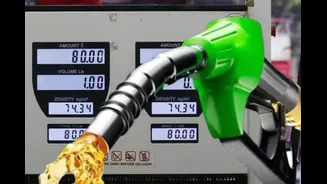
For India, which imports over 80% of its crude oil, the stakes are exceptionally high. Stable or lower oil prices are crucial for the nation's economic health. Every $10 rise in the price of a barrel of crude oil widens India's current account deficit and adds to inflationary pressures. Higher oil prices directly translate into more expensive petrol and diesel. This not only burdens household budgets but also increases transportation costs for everything from food to consumer goods, driving up overall inflation. A sustained period of high oil prices can slow down GDP growth, as it increases costs for manufacturers and reduces consumer spending power. The current price stability is a welcome relief, but the lingering supply risks mean that Indian consumers and the broader economy remain exposed to the threat of a sudden and damaging price spike.