


The Current Situation: A City on Alert
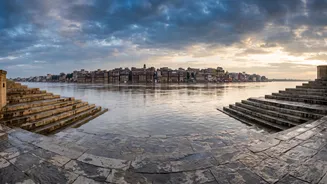
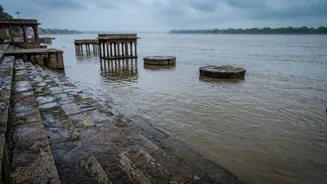
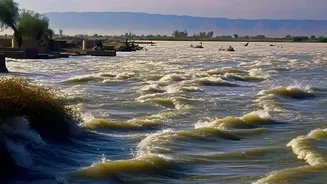
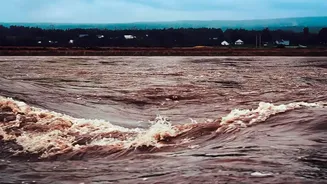
As of early September 2026, Varanasi is on high alert. The Ganga river has crossed its official warning level, recorded at 70.54 meters and rising. While this is still below the designated danger level of 71.26 meters, the rising water has already had
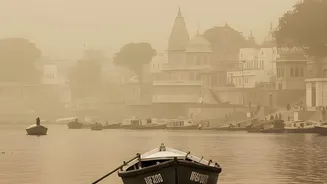
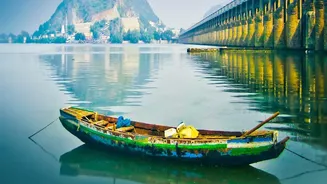
a significant impact on the city. Low-lying areas and villages along the riverbanks are experiencing flooding, prompting the administration to set up relief camps and begin evacuating residents. For tourists, the most immediate consequence has been the complete suspension of all boat operations on the river for safety reasons. This is a standard and necessary precaution when the currents become strong and water levels are high.
How Flooding Changes the Tourist Experience
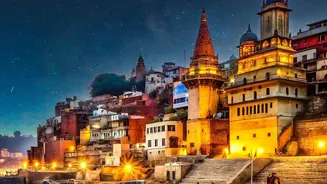
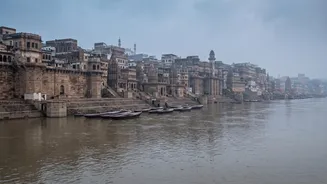
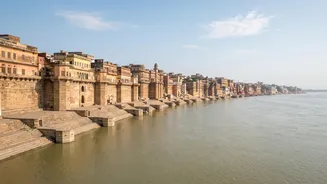
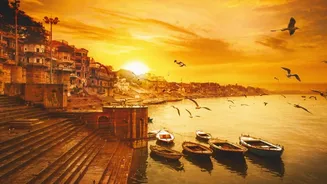
A trip to Varanasi during a flood is a dramatically different experience. The iconic ghats—the long stretches of steps leading down to the river—are partially or completely submerged. This makes the famous walks along the riverfront impossible in many places. Key activities are either canceled or altered. Boat rides, a quintessential Varanasi experience for watching the sunrise and evening ceremonies, are suspended by authorities. The spectacular Ganga Aarti at Dashashwamedh Ghat, a must-see fire ceremony, is not canceled but is often relocated to a higher platform or a nearby rooftop to keep it safe from the rising water. Even the sacred cremation rites at Manikarnika Ghat are affected, with proceedings moved to upper platforms or adjacent streets as the lower areas become inundated.
Health, Safety, and Getting Around
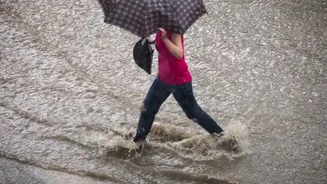
Navigating Varanasi during the monsoon requires extra caution. The narrow lanes of the old city can become waterlogged and slippery. Health risks also increase during this time. The risk of mosquito-borne illnesses like dengue fever rises, so using a strong insect repellent is essential. It is also crucial to drink only sealed bottled water and be cautious with street food to avoid waterborne diseases. Wear sturdy, waterproof footwear with a good grip to navigate wet and uneven surfaces. With boat traffic halted, getting around may rely more on cycle-rickshaws, which can often navigate flooded lanes better than cars. Be prepared for travel delays and have a flexible itinerary.
The Pros and Cons of a Monsoon Visit
While the challenges are real, some travelers are drawn to Varanasi's dramatic monsoon atmosphere. The city is less crowded, and hotels are often cheaper. The rain washes the city clean, leaving behind lush greenery and dramatic, cloudy skies that can be beautiful for photography. However, the cons are significant for a first-time visitor. The inability to take a boat ride, walk the ghats freely, or see the Aarti in its usual setting can mean missing out on key parts of the Varanasi experience. The heat and high humidity can also be draining for many.
The Best Time to Visit Varanasi
For the classic, unimpeded Varanasi experience, the best time to visit is during the cooler, drier winter months from October to March. During this period, the weather is pleasant, the river is calm, and all activities are fully operational. This peak season includes vibrant festivals like Dev Deepawali in November, when the ghats are lit with millions of lamps. Visiting between October and March ensures you can comfortably explore the ghats, enjoy sunrise boat rides, and witness the city's spiritual life in full swing without the disruptions caused by the monsoon rains and floods.