






A New Formula for Fire
This summer, countries across Europe, including Greece, Spain, and France, are witnessing a devastating and difficult wildfire season. But these are not the fires of a generation ago. Scientists and firefighters are observing a frightening evolution in how
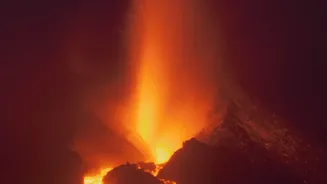
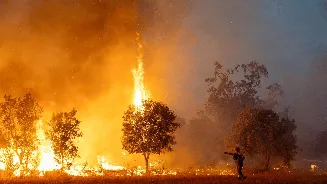
these blazes behave. A dangerous combination of factors, supercharged by climate change, is creating fires that move with shocking speed and burn with an intensity that makes them nearly impossible to suppress. The phenomenon has been described as a perfect storm where extreme heat, abundant dry fuel, and complex ignition patterns converge. What results are megafires that create their own weather systems and defy conventional containment strategies.
The Speed Factor: An Unstoppable Sprint
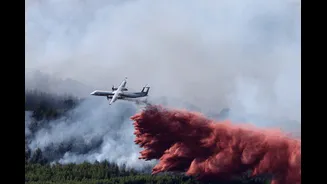
One of the most alarming new traits is the sheer velocity of these fires. Strong, gusting winds over landscapes parched by drought can turn a small blaze into a racing firestorm in minutes. In Greece, winds have often reached 100 kilometers per hour, fanning the flames and carrying embers far ahead of the main fire front to start new fires, a process known as spotting. This rapid, erratic spread makes it incredibly dangerous for firefighting crews on the ground and complicates evacuation orders for communities in the path. The fires move so fast that they can quickly outpace response efforts, trapping people and resources.
The Heat Factor: Burning Hotter Than Ever
Human-caused climate change is a key culprit behind the unprecedented heat of these fires. Europe is warming at roughly twice the global average, leading to more frequent and intense heatwaves that bake moisture out of the landscape. A phenomenon described as “climate whiplash” has also played a role; a wet winter can lead to lush vegetation growth, which then dries out in a hot, arid summer, becoming highly flammable fuel. This abundance of tinder-dry biomass means fires burn with much higher energy, reaching temperatures that can melt metal and create massive pyrocumulonimbus clouds—fire-generated thunderstorms that can, in turn, start new fires with lightning.
Multiple Ignitions: A Hydra-Headed Threat
Perhaps the most complex challenge is the issue of multiple, near-simultaneous ignition points. When several fires start in a concentrated area, they can quickly merge into a single, massive, and uncontrollable fire complex. This can overwhelm firefighting resources, as teams are spread thin trying to tackle numerous fronts at once. These clustered ignitions can have several causes. Natural causes include dry lightning storms that produce multiple strikes but little rain to dampen the sparks. Human activity, both accidental and deliberate, is also a major factor. Power line failures, sparks from equipment, or even coordinated arson can lead to several fires breaking out across a region, making containment exponentially more difficult. When these events happen at the same time across different countries, it strains the ability for nations to share resources, compounding the crisis.