


The Himalayan Queen: Kalka to Shimla
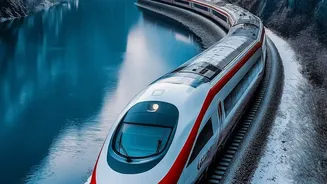
A journey aboard the 'Himalayan Queen' is like travelling back in time. This UNESCO World Heritage Site, built in 1903, is a marvel of engineering that navigates a narrow-gauge track from Kalka to the erstwhile summer capital of British India, Shimla.
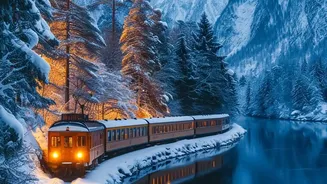
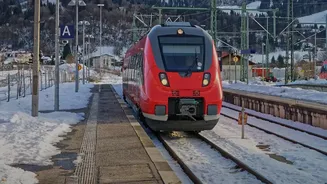
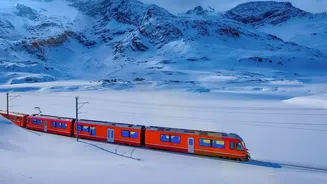
For photographers, the opportunities are endless. The train slowly winds its way through 102 tunnels and across more than 800 bridges, offering dramatic frames of light and shadow. The slow pace is a blessing, allowing ample time to compose shots of misty valleys, dense pine forests, and charming colonial-era stations that dot the route. In winter, a blanket of snow transforms the landscape into a white wonderland, providing a magical, almost ethereal, quality to your photographs.
The Darjeeling Himalayan Railway
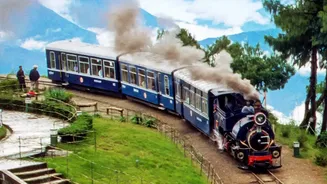
Fondly known as the 'Toy Train', this iconic railway is another UNESCO World Heritage Site that promises a visual feast. The route from New Jalpaiguri to Darjeeling is famed for its incredible scenery and old-world charm, often powered by a vintage steam engine. The train passes through bustling market towns, lush tea gardens, and dense mountain forests. The absolute highlight for any photographer is the Batasia Loop, a spiral track that offers a stunning 360-degree panoramic view of Darjeeling with the majestic Kanchenjunga peak in the background on a clear day. Capturing the train as it negotiates this incredible feat of engineering is a shot coveted by enthusiasts worldwide.
Coastal Majesty: The Konkan Railway
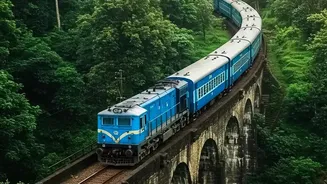
Connecting the bustling metropolis of Mumbai with the serene shores of Goa and beyond, the Konkan Railway is an ode to modern engineering set against a backdrop of spectacular natural beauty. The route runs parallel to the Arabian Sea, cutting through the rugged Western Ghats. It is a journey of dramatic contrasts, with the train passing over 2,000 bridges and through 91 tunnels. The best time for photography is undoubtedly the monsoon season. During these months, the landscape erupts in a vibrant, lush green, and countless waterfalls cascade down the hills, some so close you can almost feel the spray from your window. This route is perfect for capturing dynamic shots of the train against a backdrop of powerful rivers and verdant cliffs.
Over The Sea: Mandapam to Rameswaram
For a truly unique and dramatic photographic experience, the journey to Rameswaram Island is unbeatable. The highlight is the historic Pamban Bridge, India's first-ever sea bridge, which connects the mainland to the island. As the train slowly makes its way across the more than two-kilometre-long bridge, you are surrounded on both sides by the azure waters of the Palk Strait. This provides an incredible opportunity for wide-angle shots of the train seemingly gliding over the ocean. The low-level bridge gives a sense of immediacy and connection to the sea that is found nowhere else. For an even more compelling shot, photographing the train from the parallel road bridge allows you to capture its full length against the vast expanse of the sea.
Waterfall Wonder: The Dudhsagar Falls Route
While part of the larger Goa-Karnataka rail line, the stretch near Dudhsagar Falls deserves its own mention, especially for photographers seeking that one epic shot. Trains travelling between Kulem and Castle Rock pass right by the majestic four-tiered waterfall, which is at its most spectacular during and just after the monsoon season. The name 'Dudhsagar' translates to 'Sea of Milk', and as the train crosses the viaduct, you'll understand why. The cascading water creates a powerful, misty spectacle. Capturing the train as it curves on the bridge with the massive waterfall roaring in the background is one of the most iconic and sought-after images in Indian railway photography. It's a moment where nature's power and human engineering meet in a single, breathtaking frame.