

The Gentle Power of Steaming
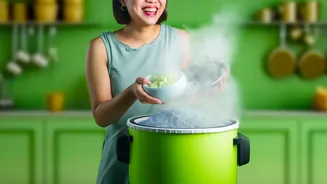
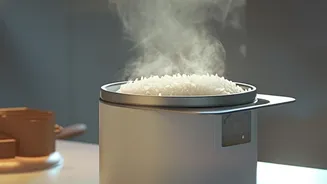
Steaming is a gentle, moist-heat cooking technique that uses the vapour from simmering water to cook food. Unlike boiling, where nutrients can leach into the water, steaming helps preserve the essential vitamins and minerals in your ingredients. This
method is particularly effective for retaining water-soluble nutrients like Vitamin C and B vitamins, which are sensitive to heat and water. Because it requires no added fats or oils, steaming is an excellent way to reduce calorie intake and lower cholesterol. It preserves the food's natural texture, colour, and taste, making vegetables vibrant and crisp, and fish tender and flaky.
Flavour Without the Fry
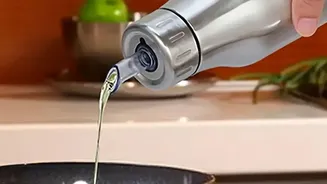
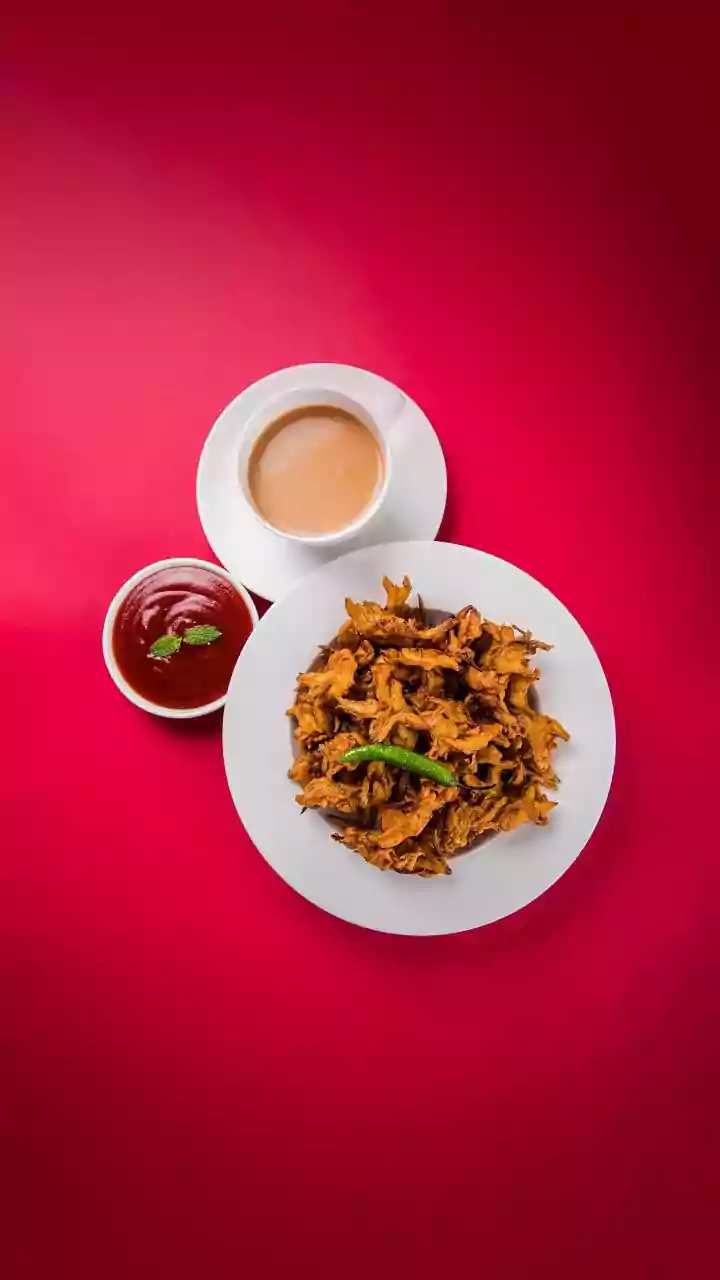
Reducing oil in your cooking doesn't mean your food has to be bland. In fact, it can allow the true flavours of the ingredients to shine. A layer of oil on a curry is often seen as a sign of richness, but high oil consumption is linked to weight gain, high cholesterol, and digestive issues. By adopting low-oil methods, you can create delicious meals that are lighter and easier to digest. Techniques like air frying can give you the crispy texture of snacks like samosas and pakoras with up to 85% less oil. Using non-stick cookware allows you to sauté aromatics and spices with minimal to no oil, proving that flavour comes from the ingredients, not just the fat.
Getting Started With Steaming
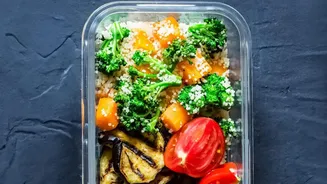
You don't need fancy equipment to start steaming. A simple steamer basket placed in a pot with a few inches of simmering water is all it takes. This method is perfect for a wide variety of foods. Vegetables like broccoli, carrots, and green beans cook quickly, retaining their crunch. Steaming is also a cornerstone of many traditional Indian dishes. Think of soft, fluffy idlis, spongy dhoklas, or delicate momos. Fish and chicken also cook beautifully when steamed, remaining moist and flavourful. To add more flavour, you can infuse the steaming water with herbs, garlic, or citrus peels.
Mastering Low-Oil Indian Cooking
Incorporating low-oil techniques into Indian cooking is easier than you think. For your daily sabzis and curries, start by using a good non-stick pan. You can sauté onions and spices in a few tablespoons of water or vegetable broth instead of oil; the water evaporates, leaving you with a perfectly browned base. Dry roasting whole spices like cumin and coriander seeds in a pan before use deepens their aroma, meaning you need less fat to carry their flavour. For dishes that traditionally require deep-frying, consider baking or air-frying instead. Even rich gravies can be made healthier by swapping some oil for yogurt, curd, or nut pastes to add creaminess and texture.
Embracing a Healthier Tradition
Many beloved dishes from across India are already prime examples of healthy, low-oil cooking. From the South, we have steamed delights like idli, puttu (steamed cylinders of ground rice and coconut), and idiyappam (steamed rice noodles). Gujarat offers the famous dhokla and patra, where colocasia leaves are layered with a spiced gram flour paste and steamed. In Maharashtra, sweet modaks are steamed dumplings filled with coconut and jaggery. These dishes are a testament to the fact that Indian cuisine is incredibly diverse and offers many time-honoured recipes that are naturally light, nutritious, and delicious without relying on heavy oils.