

Become a Light Expert in Your Home
The single most important factor for a houseplant's success is light. Before you shop, you need to become an expert on the light in your own home. This is determined by the direction your windows face. A simple compass app on your phone can tell you everything
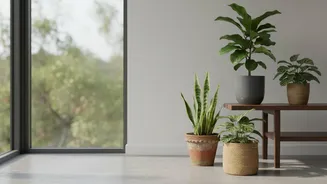
you need to know. South-facing windows get the most intense, direct sunlight for the longest part of the day. These are great for sun-loving plants like succulents and cacti. West-facing windows get very strong, hot afternoon sun, which can be harsh but is perfect for certain sun-worshippers. East-facing windows provide gentle morning sun that's ideal for many popular tropical plants like ferns and calatheas that prefer bright, indirect light. North-facing windows offer the least light, providing indirect brightness that suits low-light tolerant plants like snake plants, ZZ plants, and pothos. Spend a day observing how the light moves through your rooms to understand what you can offer a new plant.
Measure Twice, Buy Once
The second half of the equation is space. A plant that is destined to grow six feet tall will not be happy on a narrow bookshelf, and a tiny succulent will look lost in a vast, empty corner. Get out a measuring tape and take real dimensions of the spots you want to fill. Think about all three dimensions: width, depth, and vertical height. Is the spot on the floor? On a plant stand? A hanging basket from the ceiling? Write these measurements down. This prevents the common mistake of buying a plant that will quickly outgrow its home or, conversely, never quite make the impact you were hoping for. Don't forget to consider the pot size; a large plant in a tiny pot is an unstable and thirsty combination.
Consider the Microenvironment
Beyond the big factors of light and space, every spot in your home has its own microenvironment. A bathroom with a shower will have high humidity, which many tropical plants love. A spot near a front door may experience cold drafts in the winter, while a place above a radiator will be consistently warm and dry. Pay attention to air vents, which can blast plants with hot or cold air, causing stress. These small details can make a huge difference. For example, a fern might thrive in the humidity of an east-facing bathroom but struggle in a dry, south-facing living room, even if the light is technically indirect.
Create Your Plant Shopping Blueprint
Now, combine this information into a simple note on your phone or a piece of paper you can take with you. This is your shopping blueprint. It should look something like this: Living Room: Next to sofa. Bright, indirect light (5 feet from a south-facing window). Space for a 4-5 foot tall plant, max 2 feet wide. Bedroom: Dresser top. Medium, indirect light (near an east-facing window). Needs to be small, max 12 inches tall. * Kitchen: Windowsill. Bright, direct light (west-facing window). Space for a few small 4-inch pots. This simple list transforms you from a casual browser into a strategic shopper. Instead of being overwhelmed by choice, you have a clear mission.
Shopping with a Purpose
At the nursery or plant shop, your note is your best friend. You can ignore the plants that don't fit your criteria and focus on the ones that do. Better yet, you can show your note to a knowledgeable staff member and ask for specific recommendations. Instead of asking, "What's a good plant?" you can ask, "What would you recommend for a spot with bright, indirect southern light that can grow to about four feet?" This targeted approach helps you find a plant that is scientifically suited to your home. Always check a plant for signs of pests or disease before buying, looking under leaves and on stems for anything unusual. A plant with plenty of new buds is also a better choice than one already in full bloom.