






The Challenge: Paradise Under Pressure
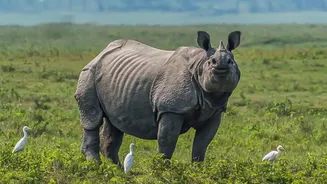
For years, Kaziranga has grappled with a classic conservation dilemma: how to welcome the world without harming the very ecosystem visitors come to see. The park's immense popularity has led to significant pressure on its resources. Uncontrolled tourism
development along its boundaries threatens vital wildlife corridors that animals use, especially during the annual monsoon floods. Concerns over habitat fragmentation, human-wildlife conflict, and the strain on local infrastructure have been growing. Past reports have highlighted how a surge in hotels and commercial activity could disrupt the delicate balance. The challenge isn't just about managing crowds inside the park; it's about ensuring the entire landscape remains healthy and resilient.
A Roadmap for the Future
In response, the Assam government has initiated a consultative process to build a comprehensive roadmap for sustainable tourism. In July 2026, Forest Minister Jayanta Mallabaruah held meetings with tourism operators, local community representatives, and forest officials to gather input. The goal is to create a long-term strategy that integrates conservation, tourism, and community livelihoods. Stakeholders have been asked to submit written suggestions, which will be reviewed to create a final action plan for the upcoming tourist season, which typically begins in October. This collaborative approach aims to ensure that the new policies are practical and have the buy-in of those who live and work around the park.
More Than Just Revenue
A key objective of the new plan is to boost tourism revenue, but in a way that directly supports conservation. The government intends to improve hospitality infrastructure and visitor facilities, creating a better experience that can justify higher returns. The minister emphasized that this increased revenue would be ploughed back into wildlife conservation, habitat management, and other developmental works within the protected area. This creates a virtuous cycle where tourism becomes a primary funder of its own sustainability, moving away from a model that only extracts value towards one that reinvests it. The plan also focuses on upgrading facilities for forest workers, recognising their critical role in protection efforts.
Rethinking the Tourist Season
One of the most significant discussions revolves around the park's seasonal nature. Kaziranga's core zones are closed annually from roughly June to September due to the Brahmaputra's floods, a natural process vital to the park's ecosystem. While officials have clarified that the core areas cannot remain open year-round for ecological reasons, they are exploring ways to promote other tourism activities during the off-season. This could involve developing attractions in the park's fringe areas, such as cultural tourism, bird watching, or nature walks, which would not disturb the core wildlife habitats. Such a move would provide a more stable, year-round income for local guides, hotels, and other service providers who currently depend on a limited tourist window.
Empowering Communities and Protecting Corridors
True sustainability in Kaziranga depends on the support of local communities. The new roadmap aims to create greater livelihood opportunities for people living around the park, making them key partners in conservation. This aligns with a broader strategy that includes significant infrastructure projects designed to minimize human-wildlife conflict. An elevated corridor is being constructed to allow animals to move safely across busy highways, a major step in protecting the park's biodiversity. By ensuring that local people benefit from a thriving, protected park and that wildlife has the space it needs to roam, the plan seeks to create a co-dependent relationship where both nature and humanity can flourish.