


The Rain Shadow Advantage
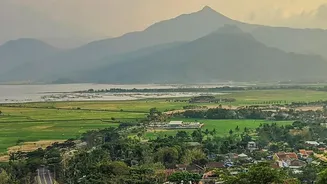
While the Western Ghats are lashed by the southwest monsoon from June to September, Rameswaram enjoys a quieter season. Tucked away in the rain shadow region, the island receives only moderate rainfall during these months, often in the form of short drizzles
rather than incessant downpours. This unique climatic advantage means that sightseeing is not just possible, but pleasant. Temperatures remain warm, and the humidity is punctuated by cool sea breezes, creating a comfortable atmosphere for exploration. It’s a season of solitude, where you can experience the island’s sacred sites and natural beauty without the usual peak-season crowds.
A Tale of Two Seas
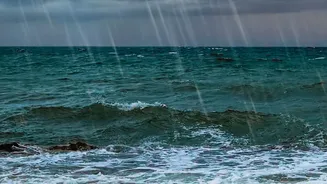
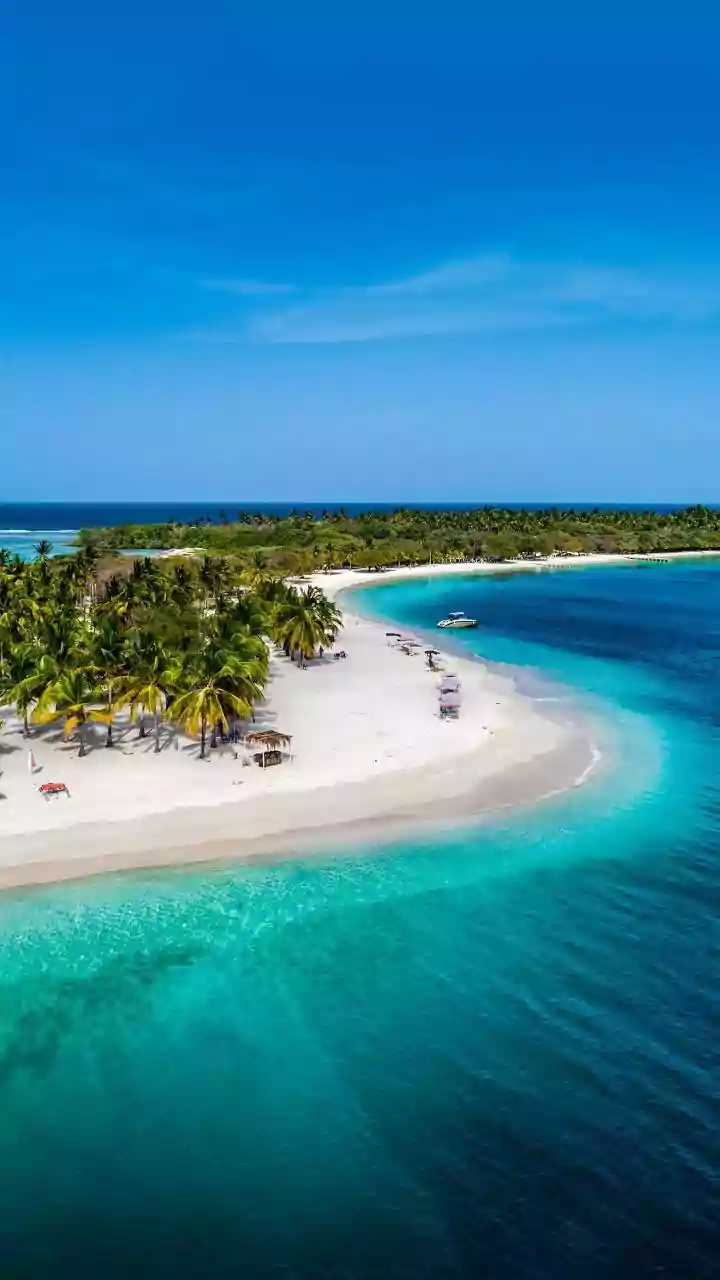
Rameswaram’s geography is fascinating. The island separates two distinct bodies of water: the turbulent Gulf of Mannar to the south and the serene Palk Bay to the north. This duality is most palpable during the monsoon. At Agnitheertham, one of the 64 sacred bathing spots, the sea on the Bay side remains surprisingly calm, allowing pilgrims to take their holy dip as they have for centuries. Just a few kilometres away, the waters of the Gulf of Mannar can be more robust, offering a dramatic view of the ocean’s power. This contrast defines the island's rhythm—a place where both fierce nature and profound peace coexist.
Spiritual Soul Searching
The monsoon lends a contemplative air to Rameswaram’s spiritual heart, the Ramanathaswamy Temple. With fewer visitors, you can wander its famed corridors—the longest in the world—in relative quiet, absorbing the intricate details of its Dravidian architecture. The experience of visiting the 22 holy theerthams (wells) inside the temple complex becomes more personal and reflective. The season’s subdued light filtering through the ancient stone pillars adds a layer of mystique to the air. Key festivals, like Thirukalyanam in July-August, which celebrates the wedding of Lord Shiva and Parvati, continue to be observed with devotion, offering a glimpse into the island's living traditions.
The Windswept Road to Dhanushkodi
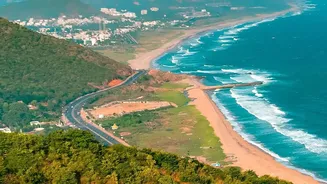
A trip to Rameswaram is incomplete without visiting Dhanushkodi, the ghost town at the island's easternmost tip. The drive along the narrow strip of road, with the sea on both sides, is an adventure in itself. During the monsoon, the landscape is raw and powerful. While heavy rains and storms can make access difficult and sometimes unsafe, on a clear day, the windswept ruins of the old church, railway station, and post office stand as stark reminders of the 1964 cyclone that submerged the town. It's a humbling and photogenic landscape, though visitors should exercise caution, avoid swimming due to strong currents, and plan to return to Rameswaram before evening as overnight stays are not permitted.
Life on the Island
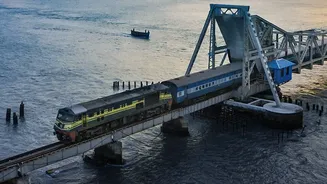
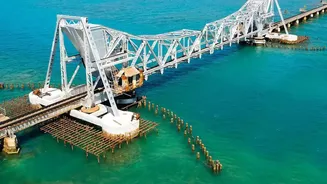
Beyond the major landmarks, the monsoon offers a chance to observe the steady rhythm of local life. The iconic Pamban Bridge, India's first sea bridge, continues to connect the island to the mainland, a testament to engineering against the elements. In the fishing hamlets, life goes on, with fishermen mending their nets and preparing their boats, their routines deeply attuned to the moods of the sea. It's also an opportunity to visit the Kalam National Memorial, a tribute to India's beloved former president, Dr. A.P.J. Abdul Kalam, who hailed from Rameswaram. The memorial provides inspiring insight into his life and work, adding another dimension to your visit.