




It is the quintessential dilemma for every Indian homebuyer: a sprawling apartment on the city’s outskirts or a compact flat in the heart of the action? This trade-off between space and location is more than just a real estate puzzle.
The Allure of the Outskirts: Making the Case for Space
The primary driver
for moving towards a city’s periphery is simple: more space for your money. For the price of a two-bedroom flat in a crowded metro centre, you can often afford a three-bedroom home with a balcony or even a small garden in the suburbs. This is particularly appealing for growing families who need extra rooms for children and for those in hybrid or remote work setups who require a dedicated home office. The post-pandemic era has cemented the desire for larger living spaces. Beyond just the square footage, suburban properties frequently offer a quieter, less polluted environment, away from the constant noise and traffic of the inner city. This translates to a perceived higher quality of life, with more open green spaces and a slower pace.
The Heart of the Matter: The Power of a Prime Location
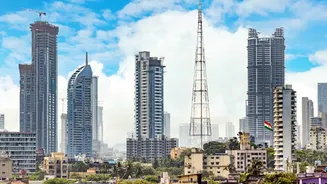
Seasoned investors often repeat the mantra: 'you can change a home's interiors, but you can't change its location'. The advantages of a prime urban location are undeniable. Proximity to business hubs drastically cuts down commute times, which studies show is a major factor in overall life satisfaction. Living centrally also means having top-tier schools, hospitals, shopping districts, and cultural venues at your doorstep. This convenience saves not just time but also daily travel costs. From an investment perspective, properties in well-connected city centres tend to have higher rental demand and greater liquidity, meaning they are easier to sell or rent out quickly. Historically, they have also shown strong long-term capital appreciation.
The Financial Equation: More Than Just the Property Price
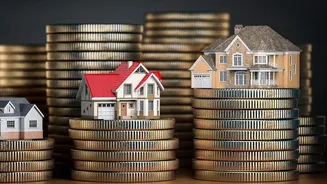
While suburban homes have a lower ticket price, the total cost of ownership can be more complex. The daily commute from a distant suburb adds up in fuel, public transport fares, and, most importantly, time. Conversely, a centrally located property might come with a higher purchase price, but it could save you significant amounts on transportation over the years. Property appreciation is another key variable. While prime city locations have historically appreciated well, the development of new infrastructure like metro lines and expressways can lead to sharp price increases in emerging suburban corridors. It’s crucial to look beyond the initial price and factor in property taxes, maintenance fees, and potential rental yields to understand the full financial picture of each option.
The Lifestyle Compromise: What Do You Truly Value?
Ultimately, the choice between size and location is a deeply personal one that hinges on your lifestyle and life stage. A young professional or a couple without children might prioritise a vibrant social life and short commutes, making a smaller, central apartment the logical choice. On the other hand, a family with young children may value the safety and space of a suburban community above all else. The rise of remote work has further complicated this decision, giving many the freedom to live far from their office. Before you begin your search, it is vital to make a list of your non-negotiables. Is a 30nd minute commute essential? Do you need a garden for your pet? Is being close to your parents a priority? Answering these questions will provide clarity.
A New Middle Ground: The Rise of Integrated Townships
A growing trend in Indian real estate offers a potential solution to this dilemma: the integrated township. These are large, self-sufficient communities, often built on the city outskirts, that combine residential properties with their own schools, hospitals, offices, and retail centres. The goal is to provide the space and tranquility of the suburbs with the conveniences of city life, creating a 'walk-to-work' environment. These planned developments offer a high quality of life with wellmanaged infrastructure, green spaces, and modern amenities, reducing the dependency on the main city centre for daily needs. For many buyers, these townships represent the best of both worlds, blending space, community, and accessibility.