




More Than Just a Sweet Treat
The primary appeal of a chocolate face mask isn’t a miraculous transformation; it’s the experience. The rich, comforting aroma of cocoa has mood-enhancing properties, turning a simple skincare step into a relaxing ritual. It’s an opportunity to slow down,
engage your senses, and treat yourself to something that feels luxurious without a hefty price tag. In the context of wellness, this kind of sensory indulgence is a benefit in itself, helping to de-stress and carve out a moment of calm in a busy day. It reframes beauty from a task focused on fixing flaws to an act of enjoyment.
The Real Science Behind Cocoa
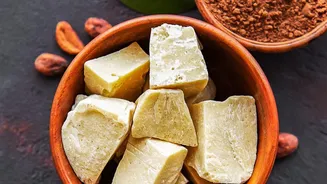
Beyond the delightful smell, unsweetened cocoa powder does have legitimate benefits for the skin. It is packed with antioxidants, particularly flavonoids and polyphenols. These compounds are known for their ability to fight free radicals—unstable molecules from pollution and UV exposure that can contribute to premature ageing. Furthermore, some compounds in cocoa, like theobromine, may help to temporarily increase blood flow to the skin's surface. This can result in a subtle, healthy-looking glow immediately after you rinse the mask off. Think of it as a temporary boost and a protective measure, rather than a permanent fix.
Setting Realistic Expectations
While cocoa offers antioxidant and anti-inflammatory properties, it's important to manage expectations. A chocolate face mask is not a cure for chronic skin conditions. It won't erase deep-set wrinkles, permanently eliminate acne, or completely fade significant hyperpigmentation. Some dermatologists even note that the particles in a DIY mask may be too large to penetrate the skin deeply. The benefits, like improved hydration and a temporary glow, are real but often subtle and not long-lasting. The goal should be to enjoy the process and the immediate feeling of soft, soothed skin, not to achieve the filtered look often promised by beauty marketing.
A Simple and Safe DIY Recipe
Making your own chocolate face mask at home is simple and allows you to control the ingredients. Avoid pre-made chocolate products, which often contain sugar and fats that can clog pores. Instead, use pure, unsweetened cocoa powder. A basic, dermatologist-approved recipe involves mixing 1-2 tablespoons of cocoa powder with enough plain yogurt or honey to form a smooth paste. Yogurt contains lactic acid for gentle exfoliation, while honey is a natural humectant and has antibacterial properties. Before applying the mask to your entire face, always perform a patch test on a small area of your skin, like behind your ear, to check for any irritation or allergic reaction.
Who Should Skip This Trend?
While generally safe, chocolate face masks aren't suitable for everyone. If you have a known allergy to chocolate or cocoa, you should obviously avoid it. Those with very sensitive skin or active inflammatory conditions like rosacea or eczema should also be cautious, as any new ingredient could potentially cause a flare-up. If your DIY recipe includes dairy like milk or yogurt, it could be a trigger for those with dairy-sensitive hormonal acne. The key is to listen to your skin. If you experience any redness, itching, or discomfort, rinse the mask off immediately.