




Indulge in Deep Conditioners and Masks
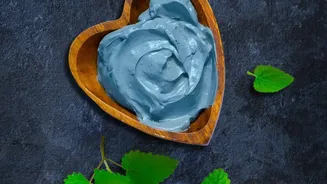
One of the most direct ways to combat dryness is through intensive conditioning treatments. While regular conditioners smooth the hair's surface, deep conditioners and hair masks are formulated with concentrated ingredients that penetrate the hair shaft
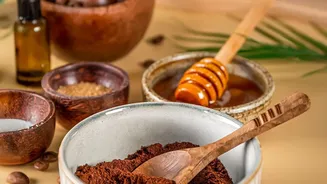
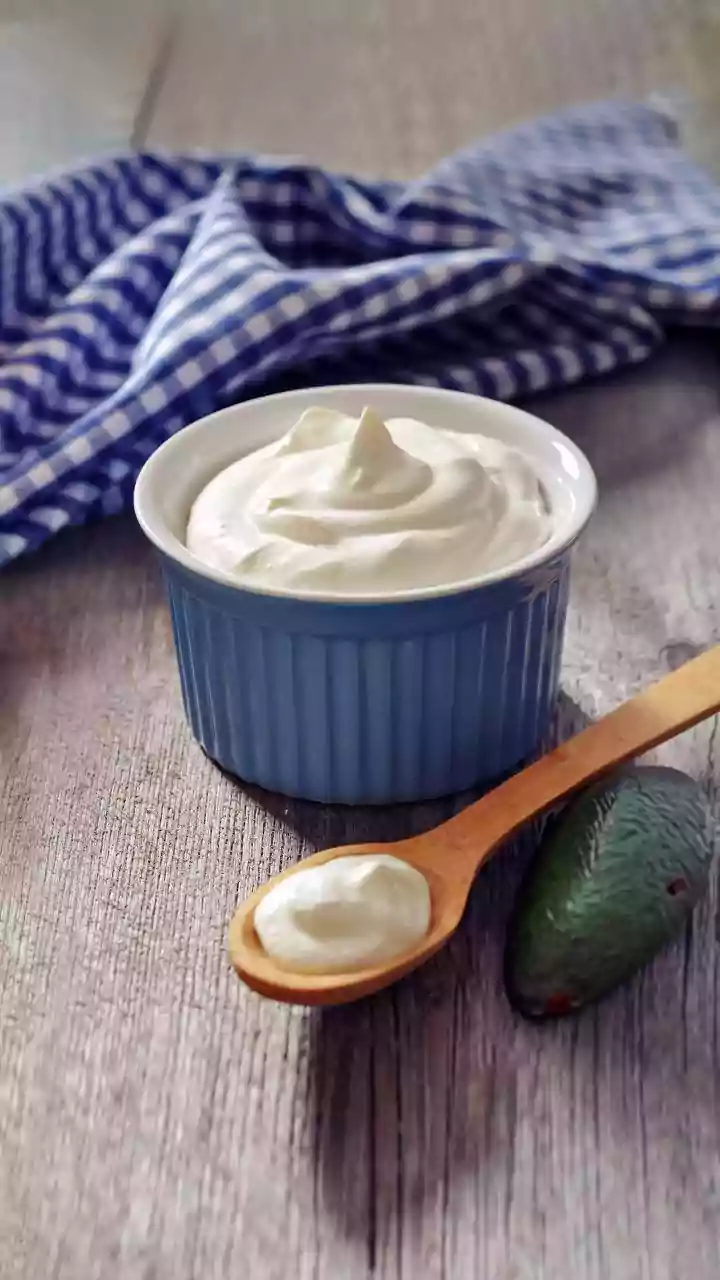
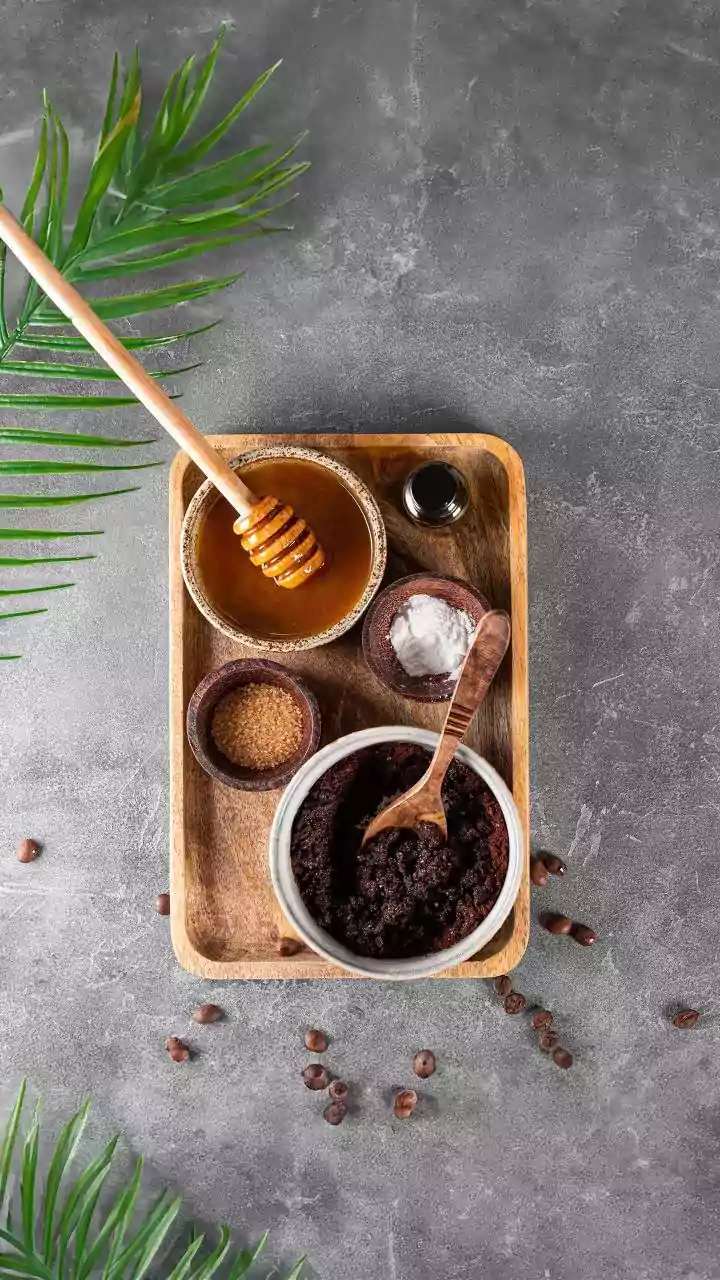
to deliver a powerful dose of moisture. These treatments help restore elasticity, reduce frizz, and prevent breakage. You can use a store-bought mask or create your own with kitchen staples. A popular DIY recipe involves mashing a ripe avocado and mixing it with a tablespoon of honey and olive or coconut oil. Apply the mixture to clean, damp hair, let it sit for 20-30 minutes, and then rinse thoroughly. For an extra boost, cover your hair with a shower cap while the mask is on; the trapped heat helps the ingredients penetrate more deeply.
Use Natural Oils as a Pre-Shampoo Treatment
Washing your hair can sometimes strip it of its natural oils, leaving it drier than before. A pre-shampoo treatment, or 'pre-poo,' with natural oils can create a protective barrier. Oils like coconut, olive, and argan are excellent for this. Coconut oil is particularly effective because its molecular structure allows it to penetrate the hair shaft, moisturizing from within and reducing protein loss. To do a pre-shampoo treatment, simply warm a small amount of oil and massage it through dry hair, focusing on the mid-lengths and ends. Leave it on for at least 30 minutes (or even overnight for a very deep treatment) before shampooing and conditioning as usual. This simple step helps to keep your hair soft and protected during the cleansing process.
Master the Art of Layering with the LOC Method
For those with particularly porous or curly hair that loses moisture quickly, the LOC method can be a game-changer. The acronym stands for Liquid, Oil, and Cream—the three steps used to layer products for maximum moisture retention. First, you apply a water-based product (the 'Liquid'), like a leave-in conditioner, to damp hair to hydrate it. Next, you apply an 'Oil' (such as jojoba or avocado oil) to seal in that initial layer of moisture. Finally, you apply a 'Cream'—a thicker, creamy moisturizer—to close the hair cuticle and lock everything in. A variation is the LCO method (Liquid, Cream, Oil), which may work better for different hair types. Experiment to see which order leaves your hair feeling hydrated and soft for longer.
Turn Down the Temperature
The temperature of your water and styling tools plays a significant role in your hair's moisture levels. Extremely hot water can strip your scalp and hair of its natural protective oils, much like it does with your skin. Hot water opens up the hair cuticle, which can lead to moisture loss and increased frizz. Try washing your hair with lukewarm water, which is effective enough to cleanse away dirt and oil without being overly stripping. Then, finish with a cool rinse. The cold water helps to seal the hair cuticle, which locks in the moisture from your conditioner, reduces frizz, and adds shine. Similarly, reducing the use of heat styling tools or always using a heat protectant spray will prevent these tools from boiling the water within your hair strands and causing damage.
Don't Underestimate a Leave-In Conditioner
Shampoo and conditioner are staples, but the moisture routine shouldn't stop there. A leave-in conditioner provides a lasting layer of hydration and protection long after you've finished washing. Applied to damp, towel-dried hair, it helps to detangle, fight frizz, and shield your hair from environmental stressors throughout the day. Many formulas are lightweight and won't weigh your hair down. They often contain humectants, which draw moisture from the air into your hair, and emollients that soften and smooth the cuticle. For an extra dose of moisture on non-wash days, you can even lightly mist your hair with water and apply a small amount of leave-in conditioner to the ends to revive and rehydrate them.