




The Maasai 'Adumu' Jump
Known as the “jumping dance,” the Adumu is a famous ceremonial practice of the Maasai people of Kenya and Tanzania. Young warriors jump straight into the air from a standing position, keeping their bodies narrow and landing lightly on the balls of their feet.
The goal is to jump as high as possible, a display of strength, stamina, and grace that signifies a warrior’s prowess. This is a formidable plyometric exercise that builds explosive power in the calves, quads, and glutes. It’s a pure test of vertical leap that requires immense leg strength and cardiovascular endurance, developed through years of practice.
The Nuba Wrestling Stance
Nuba wrestling is an ancient and revered tradition among the Nuba peoples of South Kordofan, Sudan. The training for this powerful grappling art is legendarily difficult. A foundational element is the cultivation of immense isometric strength. While specific exercises are passed down directly, a core component involves holding deep, low stances for extended periods. This resembles an extremely low squat hold, which builds incredible endurance and stability in the glutes, quads, and core. This static strength is crucial for controlling an opponent and resisting takedowns. Incorporating low squat holds into a routine can dramatically improve muscular endurance and foundational strength.
Zulu Stick Fighting Lunges
Nguni stick fighting, famously associated with the Zulu people, is a martial art that emphasizes agility, timing, and core strength. Warriors historically used it for training and settling disputes, armed with an offensive stick and a defensive stick or small shield. To be effective, a fighter must be able to move explosively in multiple directions. A key movement pattern involves deep lunges, often with a rotational component to evade an attack or create an opening. Practicing deep, twisting lunges mimics this footwork, building functional strength in the legs, developing core stability, and improving the rotational power necessary for striking arts.
Senegalese Wrestling Lifts
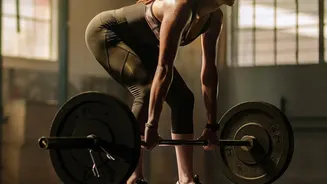
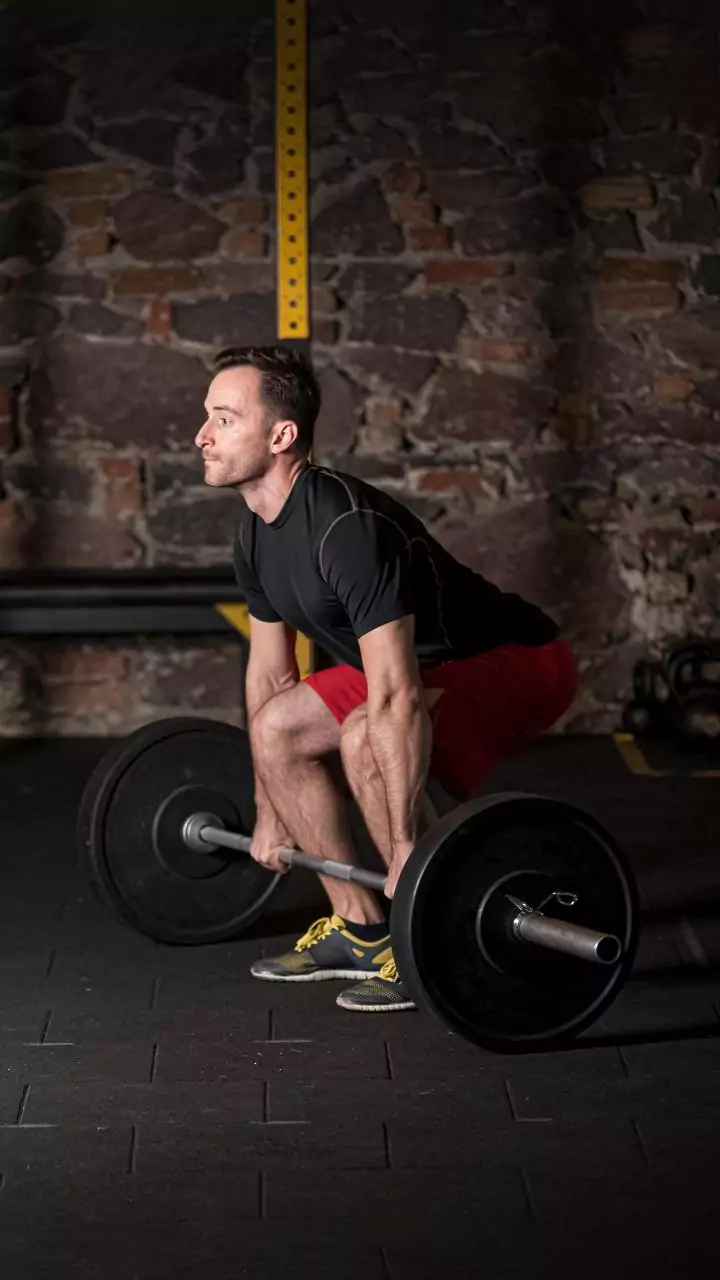
In Senegal, wrestling, known as Laamb, is a national sport. Its athletes are renowned for their incredible functional strength. Before modern gyms became common, wrestlers built their power using their environment. This included lifting and carrying heavy, awkward objects like sandbags or even other training partners. This style of training is the original functional fitness. A modern equivalent is the deadlift or a sandbag-to-shoulder lift. These movements build raw, total-body strength, particularly in the posterior chain (back, glutes, hamstrings) and grip, which is essential for the throws and lifts that define the sport.
Dynamic Dance Movements
Across the continent, dance is a central part of culture, celebration, and storytelling—and it's also a fantastic workout. Many traditional African dances are not just about rhythm but also about dynamic strength. For example, dances involving energetic stomping, deep squats, and powerful arm swings engage the entire body. These aren't isolated muscle movements; they are full-body expressions that build cardiovascular health, flexibility, and muscular endurance all at once. Incorporating the high-energy, grounded movements found in many West African dances, for example, can serve as a powerful and joyful way to build strength and stamina.