





A Time Machine from the Future
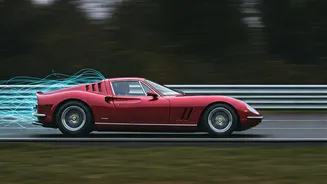
At first glance, the Hyundai N Vision 74 looks like it drove straight out of a classic sci-fi film. Its sharp, wedge-shaped design is a deliberate homage to Hyundai's 1974 Pony Coupe concept, a car penned by the legendary Giorgetto Giugiaro, the same
designer behind the DeLorean. But this is no nostalgia act. The N Vision 74 is what Hyundai calls a "rolling lab"—a fully functional prototype designed to test the limits of high-performance technology. With its aggressive aerodynamics, wide stance, and pixelated lighting, it’s a vehicle that bridges Hyundai's past ambitions with a statement about its future, proving the company is serious about crashing the exclusive high-performance party.
The Hydrogen-Electric Heart
What truly sets the N Vision 74 apart is its powertrain. It’s not just another battery-electric vehicle (BEV). It’s a hydrogen-electric hybrid. Here’s how it works: a 62.4 kWh battery provides power to two electric motors on the rear axle, but it’s also paired with a hydrogen fuel cell system. Think of the fuel cell, fed by two carbon-fibre tanks holding hydrogen, as an onboard power plant that continuously generates electricity to recharge the battery and power the motors. This solves two of the biggest problems facing high-performance EVs: weight and endurance. Instead of a massive, heavy battery, the hybrid system allows for consistent power delivery without degradation, making it ideal for track driving where other EVs might overheat or lose performance. It also boasts a claimed range of over 600 kilometres and can be refuelled in about five minutes.
Engineered for 'Fun', Not Just Speed
Straight-line speed has become commonplace for EVs. Hyundai’s N performance division, however, is obsessed with a different metric: fun. With a combined output of over 670 horsepower and 900 Nm of torque sent exclusively to the rear wheels, the N Vision 74 is ferociously quick. But the real magic lies in how it delivers that power. Each rear wheel has its own dedicated motor, allowing for incredibly precise torque vectoring. This system can mimic a limited-slip differential to maximize grip or, in its more aggressive modes, allow for spectacular, controlled drifts—a characteristic many purists feel is missing from all-wheel-drive EVs. It’s a car designed to be engaging and playful, directly challenging the notion that electric cars are soulless appliances.
Putting the Old Guard on Notice
The N Vision 74 is more than a car; it's a message. For years, brands like Porsche, Ferrari, and Lamborghini have defined what a sports car should be. They built their legacies on the sound, feel, and character of their combustion engines. The N Vision 74 doesn't try to imitate them. Instead, it offers an alternative path forward for the enthusiast. It proposes that the future of performance isn’t about silence and seamless acceleration, but about innovative engineering that prioritizes driver involvement and emotion. While many mainstream EVs chase efficiency, Hyundai has built a prototype focused on the joy of driving, a territory traditional sports car makers have long considered their own.
From 'Rolling Lab' to Reality?
The question on everyone's mind is whether this cyberpunk dream will ever hit the showroom floor. The signals have been mixed. Hyundai has consistently referred to the N Vision 74 as a rolling laboratory to test future technologies for its N brand. However, due to overwhelming public and critical acclaim, speculation about a limited production run has been rampant. In late 2024, an investor presentation slide confirmed plans to launch a production version by 2030. While details remain scarce, reports suggest a very limited run of cars, possibly with an even more powerful 800-horsepower setup, is slated to begin production in 2026. Whether it retains the complex hydrogen powertrain or shifts to a pure BEV setup, the spirit of the N Vision 74 is destined to influence Hyundai's cars for years to come.