



The Power of the Group
Scattering individual potted plants around a room can sometimes make a space feel cluttered or accidental. Each plant becomes a solitary object, pleasant on its own but disconnected from the whole. The moment you group them, however, something magical
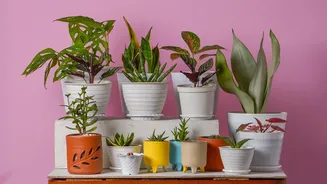
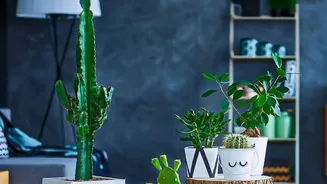
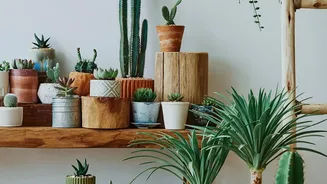
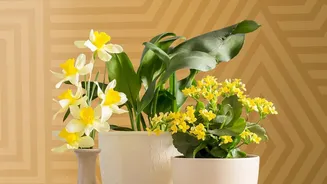
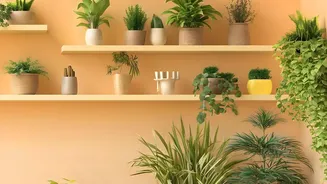
happens. A simple cluster of three or five planters creates a deliberate focal point, drawing the eye and signaling intention. This technique transforms plants from mere accessories into an integrated feature of your room’s design. Grouping provides visual weight, turning a sparse corner into a lush, vibrant vignette. It's a fundamental principle of interior styling: collections are more impactful than scattered items. By bringing your ceramic-potted plants together, you create a mini-ecosystem of style that feels curated, cohesive, and far more sophisticated.
Unity in Variety
Creating a cohesive group doesn't mean all your pots must be identical. In fact, some of the most beautiful arrangements celebrate subtle differences within a unifying theme. The key is to establish a common thread. Ceramic, as a material, already provides a wonderful starting point with its earthy, substantial feel. From there, you can build cohesion through colour. Sticking to a tight palette—such as varying shades of white, grey, and black for a modern look, or warm terracotta and sand for a rustic vibe—ensures harmony. Alternatively, you could choose pots of different colours but with a similar finish, like a high-gloss glaze. The goal is to make the collection look intentional, not like a random assortment. Repetition of a single element, whether it’s material, colour family, or style, is what will tie your entire plant display together beautifully.
Mastering Scale and Height
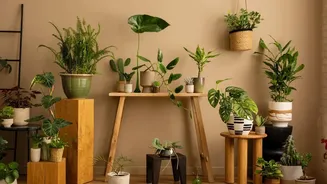
A flat arrangement of same-sized pots can feel monotonous. To create a dynamic and natural-looking display, you need to play with varying heights and scales. This is where the classic designer’s “rule of three” comes in handy; arranging elements in odd numbers often feels more organic and visually appealing. Start with a tall planter as your anchor, perhaps holding a fiddle-leaf fig or a snake plant. Then, add a medium-sized pot with a bushier plant, and finish with a smaller pot or a trailing plant in the front. This layering creates depth and encourages the eye to move through the arrangement. Don’t be afraid to use small stools or plant stands to elevate some pots, breaking up the horizontal plane and adding another level of interest. This variation in height is crucial for turning a simple group of plants into a well-composed feature.
More Than Just Colour
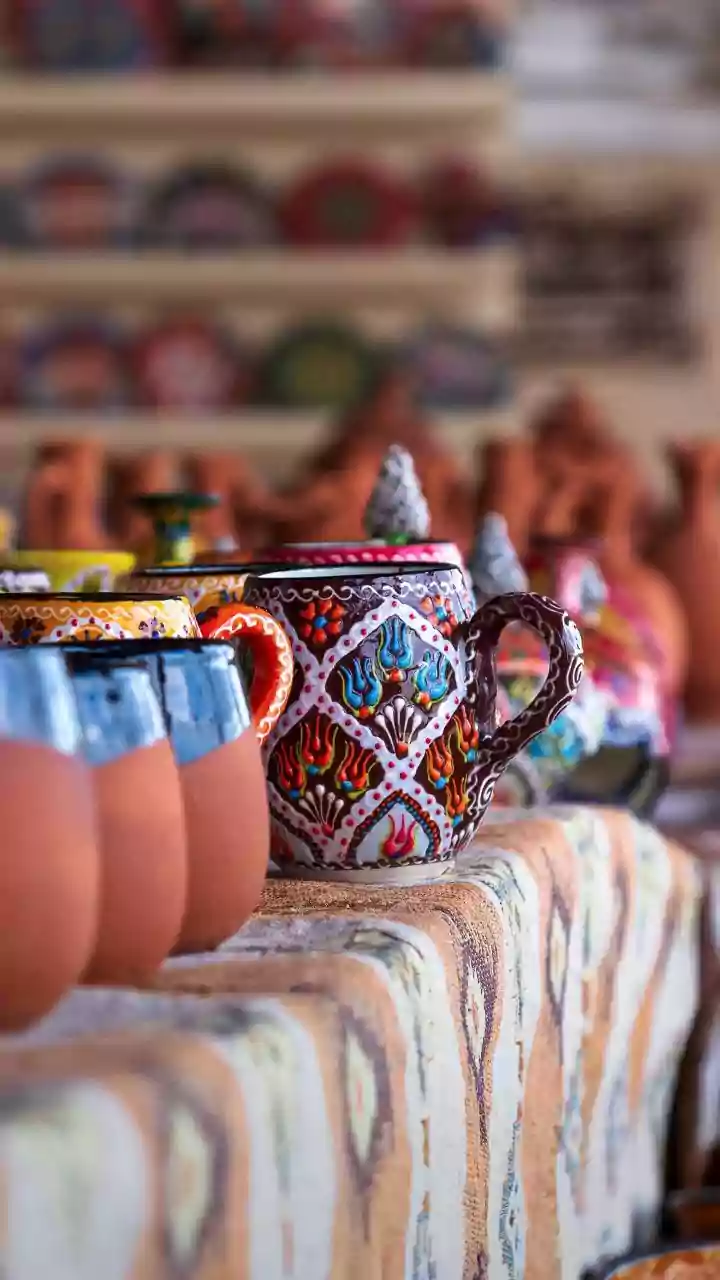
Beyond colour and size, texture adds a rich, tactile dimension to your planter grouping. Ceramic is an incredibly versatile medium that offers a wide array of finishes. Imagine combining a smooth, glossy glazed pot with another that has a rough, matte, sand-like texture. Or pairing a planter with intricate, incised patterns next to a simple, unadorned one. These contrasts create subtle interest that makes the display more engaging up close. The texture of the pot can also complement the plant it holds. A sleek, smooth pot might beautifully offset the complex, frilly leaves of a fern, while a rugged, earthy ceramic could be the perfect home for the strong, architectural lines of a cactus or succulent. Paying attention to these textural details adds a layer of professional polish to your indoor garden.
Finding the Perfect Spot
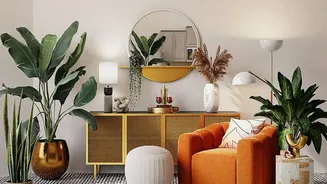
Once you have your curated group of ceramic planters, their placement will determine their impact. Look for underutilized spaces in your home that could use a touch of life and style. An empty corner in the living room or bedroom is a classic choice, instantly transforming a dead zone into a 'statement corner.' A wide, low console table behind a sofa is another prime location, allowing you to create a long, layered display. Other great spots include a bare fireplace hearth, a spacious entryway, or a wide windowsill that gets good light. When choosing the location, consider both the aesthetic and the practical needs of your plants. The right spot will not only showcase your design skills but also ensure your green friends thrive, making your beautiful, cohesive display a lasting feature in your home.