


The Ancient Grains Hiding in Plain Sight
In the quest for interesting and healthy additions to our diets, sometimes the best options are the ones that have been around for centuries. Barley (Jau) and Sorghum (Jowar) are two such grains. Far from being bland 'health foods', these versatile ingredients
offer delightful nutty flavours and satisfying textures that can elevate everything from your daily khichdi to a weekend pilaf. They are packed with nutrients like fibre, protein, and essential minerals, making them a smart and simple swap in many Indian kitchens. Let's explore how to unlock their potential beyond the occasional bhakri and bring them into your everyday cooking.
Meet Barley: The Chewy, Nutty All-Rounder
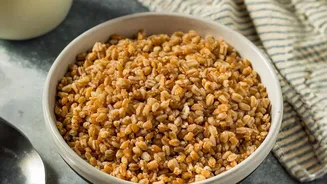
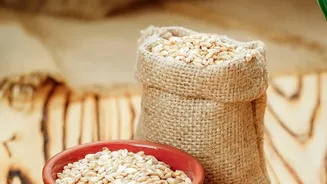
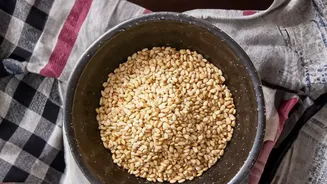
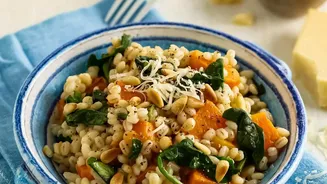
Barley is a wonderfully versatile grain with a rich, nutlike flavour and a satisfyingly chewy, almost pasta-like consistency. It’s known for its high fibre content, particularly a soluble fibre called beta-glucan, which is great for heart health and keeping you feeling full longer. You'll most commonly find pearl barley, which has the outer husk removed and cooks faster. Cooking it is as simple as boiling it in water or broth until tender, which usually takes about 30-40 minutes on the stovetop or a few whistles in a pressure cooker. Think of it as a fantastic substitute for rice, with a heartier bite and a deeper, earthier flavour.
How to Use Barley in Your Kitchen
The easiest way to start with barley is to swap it for rice. A Barley Pulao, spiced with turmeric, cumin, and your favourite vegetables, makes for a hearty and flavourful one-pot meal. Its chewy texture is also perfect for khichdi, offering a more substantial bite than rice. A simple barley and moong dal khichdi is a comforting and highly nutritious dish. Beyond that, cooked barley is an excellent addition to soups, adding body and texture, or can be used as the base for a refreshing kachumber-style salad with chopped onions, tomatoes, and cucumber. You can even get creative and incorporate it into South Indian dishes like adai, a savoury crepe.
Say Hello to Sorghum: The Jowar You Know
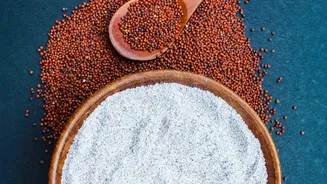
Sorghum, or Jowar as it is widely known in India, is a staple in many parts of the country, especially Maharashtra and Karnataka. It has a mild, slightly sweet and earthy flavour, making it incredibly adaptable to various dishes. Jowar is a nutritional powerhouse, naturally gluten-free and rich in protein, antioxidants, and dietary fibre. While many are familiar with jowar flour for making bhakri, the whole grain and cracked grain (rava) offer a whole new world of culinary possibilities. It’s considered one of the easiest millets to introduce into your diet due to its neutral taste and year-round suitability.
Smart Ways to Cook with Sorghum
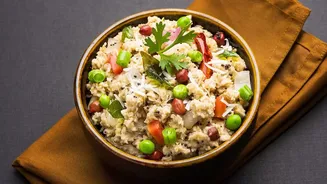
Whole sorghum grains, once soaked and boiled, can be used to make a delicious and healthy upma or a pilaf-style dish called 'ghoogri'. The grains become soft yet retain a pleasant chewiness, soaking up the flavours of the spices and vegetables beautifully. Jowar flour can be used for more than just flatbreads. It makes an excellent, instant savoury pancake (uttapam or chilla) when mixed with curd, spices, and finely chopped vegetables. You can also use it as a healthy thickener for soups instead of cornflour, adding a nutritional boost and a subtle, rustic flavour. For a quick snack, whole jowar grains can be dry-roasted in a pan until they pop, creating a mini version of popcorn.