








The Final Act of Devotion: Usha Arghya
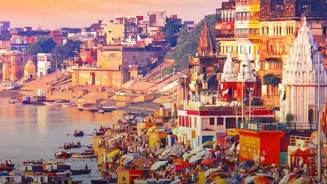
Usha Arghya is the final and most anticipated ritual of the Chhath Mahaparv. Following the Sandhya Arghya (evening offering) to the setting sun on November 15, devotees return to the riverbanks and water bodies before sunrise on November 16. Standing
waist-deep in the water, they offer prayers and arghya—a mixture of milk and water poured from a small pot—to the rising sun. This act symbolizes gratitude to Surya Dev (the Sun God) and Chhathi Maiya for sustaining life on Earth and marks the culmination of a rigorous, approximately 36-hour waterless fast. After the offering, the 'vrati' (the one observing the fast) breaks their fast with a piece of prasad, officially concluding the festival.
Sunrise Timings for Major Cities
The Usha Arghya is timed precisely to the sunrise. Devotees must be at the ghats well before the first rays of light appear. While timings can vary slightly, approximate sunrise times for Monday, November 16, 2026, are crucial for planning. For Patna, the heartland of the festival, sunrise is expected around 6:07 AM. In New Delhi, the sun will rise at approximately 6:44 AM. For devotees in Mumbai, the sunrise is timed for about 6:46 AM. It is always advised to check a local panchang for the exact time in your specific location, as even a few minutes can make a difference.
Ghat Guide: Patna and Bihar
In Patna, the entire Ganga riverfront transforms into a single, massive site of worship. The district administration typically prepares over 100 ghats for the occasion. Among the most prominent and crowded are Collectorate Ghat, Gandhi Ghat (also known as NIT Ghat), and the numerous ghats along the Digha stretch, such as Patipul and Minar Ghats. These locations are known for their spaciousness and organised facilities, but they draw enormous crowds, making an early arrival essential. Due to the shifting course of the Ganga, some ghats may be declared unsafe each year, so devotees should always heed official announcements from the local administration.
Ghat Guide: Delhi-NCR
For the large Purvanchali population in Delhi, the Yamuna riverbanks and local water bodies become hubs of devotion. The Delhi government often sets up over 1,000 temporary ghats across the city. The most famous location remains the ghats near ITO and Kashmere Gate, such as Vasudev Ghat. Other popular spots include Kalindi Kunj Ghat, Geeta Colony Ghat, and Wazirabad. In Ghaziabad, Hindon Ghat is the primary venue, while many residential societies in Noida and Gurugram create artificial ponds to facilitate the rituals for residents, offering a community-centric celebration close to home.
Ghat Guide: Mumbai
In Mumbai, the city's beaches become the ghats for Chhath Puja. Juhu Beach is the most prominent destination, attracting hundreds of thousands of devotees for both the evening and morning arghya. The celebrations here have been a major community event for decades, organised with the help of local associations. Other popular locations include Versova Beach, Dadar Chowpatty, Girgaon Chowpatty, and Powai Lake. These venues offer a unique sight as ancient traditions are performed against the backdrop of the Arabian Sea, blending regional culture with the city's metropolitan fabric.
Tips for a Safe and Respectful Observance
Given the massive crowds, planning is essential for a smooth experience. Arrive at your chosen ghat well before sunrise to find a suitable spot. Traffic restrictions are common around major ghats, so plan to walk the final distance. For safety, always stay in designated areas and be mindful of water depth and currents. It's important to keep the ghats clean by properly disposing of all materials after the puja. For visitors and photographers, be respectful of the devotees. Maintain a distance, keep noise to a minimum during prayers, and always ask for permission before taking close-up pictures of individuals performing rituals. The festival is a deeply personal and spiritual act for those observing the fast.