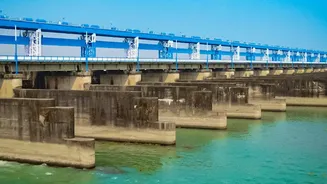




A Dry Forecast for Farmers
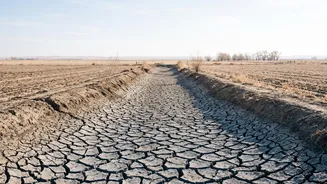
Pakistan's Indus River System Authority (IRSA) has projected a 22% water shortage for the crucial Rabi sowing season, which runs from October to March. This deficit is expected to primarily impact the agricultural heartlands of Punjab and Sindh provinces.
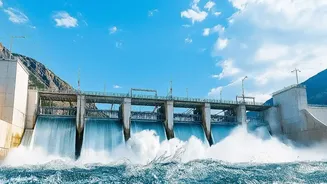
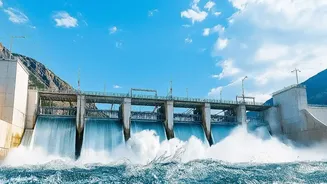
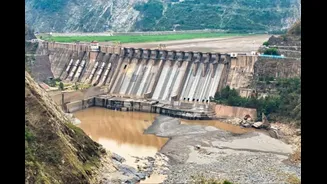
Farmers in these regions, who are preparing to plant essential crops like wheat, are facing uncertainty. The country’s water reservoirs held significantly less water in September 2026 compared to the previous year, dropping from 13.2 million acre-feet (MAF) to just 9.3 MAF. This scarcity could force farmers into difficult choices, such as relying on expensive groundwater pumping or accepting lower crop yields, threatening food security and potentially driving up already high flour prices.
An Economy Reliant on the River
The Indus River and its tributaries are the lifeblood of Pakistan, a nation where agriculture is a cornerstone of the economy. The system irrigates the vast majority of the country's crops. Any significant reduction in water availability has immediate and widespread consequences, affecting everything from wheat production and food prices to the livelihoods of millions of farmers. The current shortage is attributed to several factors, including lower river inflows during the preceding Kharif season, which were 22% lower than the previous year, and challenges in water management, such as delays in key infrastructure projects at the Tarbela Dam that have limited storage capacity.
The Indus Waters Treaty Explained
The backdrop to this domestic water crisis is the complex status of the 1960 Indus Waters Treaty (IWT). Brokered by the World Bank, this landmark agreement has governed the sharing of the Indus river system between India and Pakistan for over six decades. It allocated the three 'eastern' rivers (Ravi, Beas, Sutlej) to India, while giving Pakistan rights over the three 'western' rivers (Indus, Jhelum, Chenab). Despite multiple wars and persistent tensions, the treaty has been held up as a rare example of successful conflict resolution, ensuring a framework for water distribution.
A Treaty Under Severe Strain
The headline's reference to the treaty being 'on hold' points to a significant recent development. In April 2025, following a terror attack, India announced it was putting the treaty 'in abeyance', linking its resumption to an end to cross-border terrorism. Pakistan has rejected this move, arguing that the treaty cannot be suspended unilaterally. The term 'abeyance' itself has caused legal ambiguity, as it has no formal meaning in international law, and a tribunal at the Permanent Court of Arbitration (PCA) has since deliberated on its implications. While the PCA has stated that the treaty remains in force, the dispute has frozen diplomatic engagement under the treaty's framework, leaving long-standing disagreements over hydroelectric projects unresolved and heightening regional tensions.
A Confluence of Crises
The forecasted water deficit and the strained treaty create a perfect storm for Pakistan. A domestic shortage caused by low inflows and infrastructure issues is made more precarious by the lack of a functioning diplomatic channel to manage the shared river basin with its upper-riparian neighbour, India. While the current 22% shortage is attributed to internal and environmental factors, the diplomatic freeze means the established mechanisms for communication and dispute resolution are not being utilized. This confluence of an immediate resource crunch and a long-term geopolitical standoff places immense pressure on Pakistan's water security and, by extension, its economic stability.