






The Soaking Secret: Your First Step to Perfection
The most crucial step to prevent a sticky, clumpy khichdi is the soak. First, rinse one cup of sabudana (tapioca pearls) under cold running water multiple times until the water runs clear. This removes excess surface starch, which is the primary cause
of stickiness. Once rinsed, place the sabudana in a wide bowl and add water. The correct water-to-sabudana ratio is key; a 1:1 ratio is widely recommended. For every cup of sabudana, use one cup of water, ensuring the water level is just enough to cover the pearls. Let it soak for at least 4-6 hours, or ideally, overnight. The pearls are perfectly soaked when you can easily mash one between your thumb and forefinger. If there's any excess water after soaking, drain it completely using a colander.
Preparing the Supporting Ingredients
While the sabudana soaks, prepare your other components. For a classic Navratri khichdi, you will need potatoes, peanuts, and a few spices. Boil one or two medium-sized potatoes until fork-tender, then peel and dice them into small cubes. Next, dry roast a handful of peanuts in a pan until they are fragrant and lightly browned. Allow them to cool, then coarsely crush them. This peanut powder not only adds a delightful crunch and nutty flavour but also helps absorb any residual moisture from the sabudana, further preventing stickiness. Keep green chillies, finely chopped ginger, and fresh curry leaves ready for the tempering. Remember to use sendha namak (rock salt) if you are preparing the dish for fasting.
Combining and Cooking the Khichdi
Once your sabudana is soaked and drained, and your other ingredients are prepped, it's time to cook. Many find that using a non-stick pan helps prevent the sabudana from sticking to the bottom. Heat a tablespoon or two of ghee or oil in the pan over medium heat. Add the diced, boiled potatoes and sauté them for a few minutes until they turn slightly golden and crisp. Now, gently add the soaked sabudana pearls to the pan along with the coarsely crushed peanuts, salt, and a pinch of sugar (optional). Mix everything together gently with a light hand; vigorous stirring can break the pearls and release starch, leading to a gooey texture. Cook for just a few minutes, stirring occasionally, until most of the sabudana pearls turn translucent. This is the sign that they are cooked. Overcooking is a common mistake that results in a chewy, sticky dish.
The Art of the Final Tempering (Tadka)
While some recipes incorporate the tempering at the beginning, a final tadka can elevate the aroma and flavour. In a separate small pan, heat a tablespoon of ghee. Once the ghee is hot, add cumin seeds (jeera) and let them splutter. Immediately add chopped green chillies and a sprig of curry leaves. Sauté for a few seconds until the curry leaves turn crisp and the chillies release their aroma. This quick tempering process infuses the dish with a final layer of authentic flavour. Pour this sizzling tempering over the cooked sabudana khichdi in the main pan and give it one last gentle mix to distribute the flavours evenly throughout the dish.
Finishing Touches for Flavour and Freshness
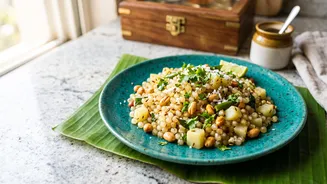
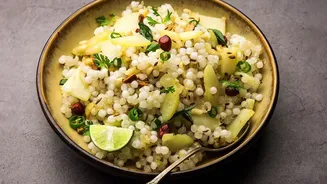
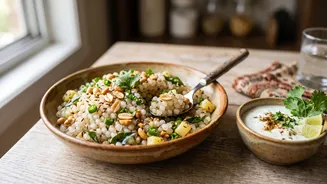
With the tempering mixed in, your sabudana khichdi is almost ready. Turn off the heat. The final step is to add a squeeze of fresh lemon juice. This not only brightens the flavour but also helps to separate any pearls that may have clumped together. Garnish generously with finely chopped fresh coriander leaves for a burst of freshness and colour. Fluff the khichdi gently with a fork one last time before serving. For a complete and traditional meal, serve the hot sabudana khichdi with a side of plain yogurt (dahi), which complements its flavours perfectly.