



The Real Cost of Bulk Buying
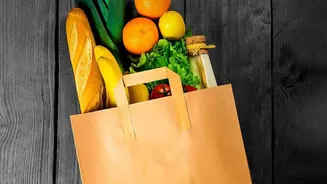
We’ve all been there: standing in a supermarket aisle, tempted by a deal that seems too good to pass up. Buying in bulk feels like a savvy financial move, a way to save money and reduce future trips to the store. But this strategy comes with a hidden
cost: food waste. Many staples have a shorter shelf life than we assume. Exposure to air, moisture, heat, and light are the primary enemies of pantry goods, causing them to lose flavour, become rancid, or develop mould. A bargain isn't a bargain if you end up throwing half of it away. The key is to know your household's consumption rate and understand which items are truly built for the long haul.
Safe to Stock Up: The Long-Lasting Staples
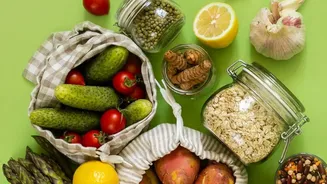
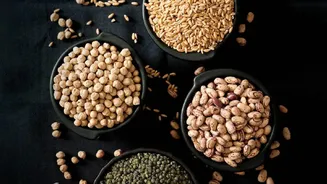
Certain items, when stored correctly, can last for years, making them ideal candidates for bulk purchasing. White rice, for instance, can last for up to two years if kept in an airtight container in a cool, dark place. Similarly, whole pulses and dried beans like chana can last for a year or even longer. Other pantry heroes with impressive longevity include pure honey, salt, and sugar, which can last almost indefinitely if kept free from moisture. Ghee also has a long shelf life due to its low moisture content, provided you always use a clean, dry spoon. When buying these items, the main consideration is having adequate, proper storage space to protect them from pests and environmental factors.
Buy in Moderation: Items with a Shorter Lifespan
Many everyday Indian staples are more delicate than they appear. Whole wheat flour (atta), for example, has a relatively short shelf life. The natural oils in the wheat can cause it to go rancid, especially in humid weather. Once opened, a bag of atta is best used within a month unless refrigerated. Split dals like toor and moong are best consumed within three to six months, as they absorb moisture more readily than their whole counterparts. Cooking oils, especially those high in polyunsaturated fats, can go rancid over time, losing their nutritional value and developing an off-taste. It is wiser to buy smaller bottles that you can finish within a few months. Even nuts and whole grains, due to their higher oil content, are best purchased in smaller quantities to avoid rancidity.
The Special Case of Spices
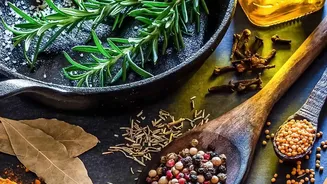
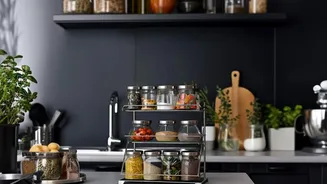
Spices don't spoil in a way that makes them unsafe, but they do lose their flavour, aroma, and potency over time. This is especially true for ground spices, which have a larger surface area exposed to air. A jar of turmeric or garam masala powder is at its best for about six to twelve months. Whole spices, on the other hand, have a protective outer layer that preserves their essential oils for much longer, often lasting two to four years. For maximum flavour, the best approach is to buy whole spices like cumin seeds, cloves, and cardamom pods in reasonable quantities and grind them at home in small batches as needed. Storing them away from the stove, in airtight containers in a dark cupboard, is crucial.
Smart Storage and Pantry Management
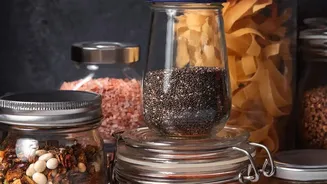
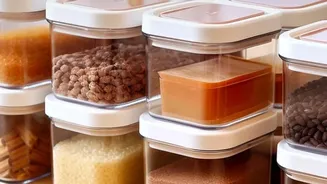
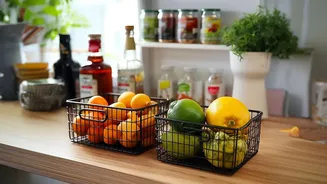
How you store your staples is just as important as how much you buy. Always transfer items like rice, dal, and flour from their original bags into airtight containers immediately upon purchase. This protects them from moisture and pests. For organisation, implement the 'First In, First Out' (FIFO) system used by grocery stores. When you bring home new groceries, place them at the back of the shelf and move the older items to the front. This simple habit ensures that you use up what you have before it has a chance to expire. Labelling containers with the date of purchase can also help you keep track of freshness. Periodically decluttering your pantry helps you take stock of what you have and prevents forgotten items from going to waste in a back corner.