

A Celestial Partnership
For the first time, scientific data from India's Aditya-L1 solar observatory and the European Space Agency's (ESA) Proba-3 mission have been combined to study the same solar events. This joint effort, led by researchers at Bengaluru's Indian Institute
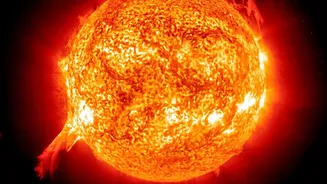
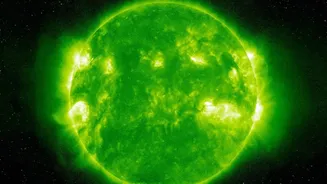
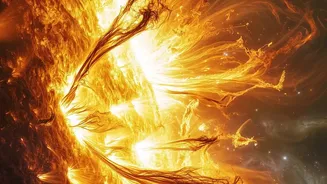
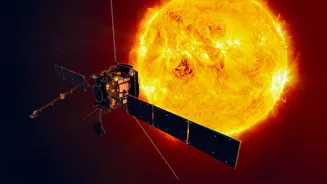
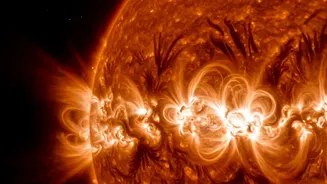
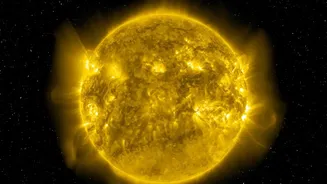
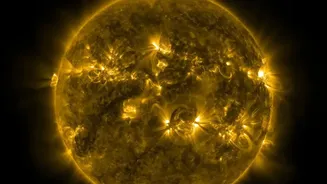
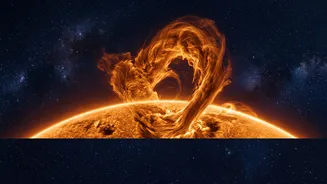
of Astrophysics, provides an unprecedented, dual-perspective view of coronal mass ejections (CMEs) — enormous explosions of plasma and magnetic fields from the sun’s outer atmosphere, the corona. The collaboration pairs Aditya-L1, India's first dedicated solar mission launched in September 2023, with Proba-3, an innovative ESA mission launched by an ISRO rocket in December 2024. This partnership represents a major milestone in the long-standing cooperation between ISRO and the ESA, which was recently extended until 2032 to include joint work on space weather.
Why Solar Eruptions Matter
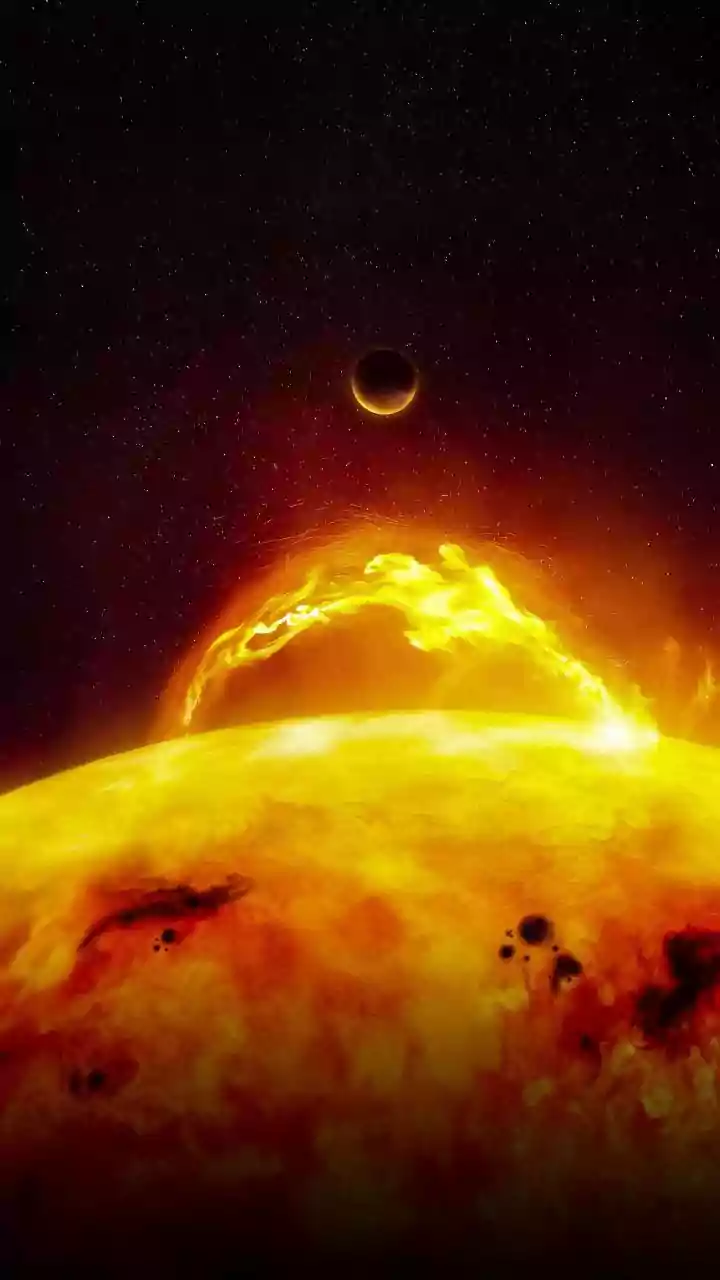
The sun is the source of life, but it also poses a significant threat to our modern, technology-driven world. CMEs are essentially giant bubbles of electrified gas that race through space at incredible speeds. When a CME collides with Earth, it can trigger a geomagnetic storm, a major disturbance of our planet's magnetic field. These storms can induce powerful electrical currents in power grids, potentially causing widespread blackouts that could take months to repair. They can also damage critical satellites used for communication, GPS navigation, and weather forecasting, leading to cascading failures in everything from airline travel to financial systems. Understanding how CMEs form and accelerate is crucial for improving 'space weather' forecasts and protecting our vital infrastructure.
Two Missions, One Goal
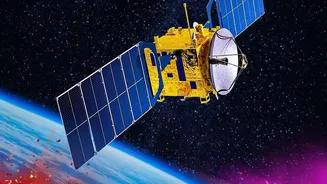
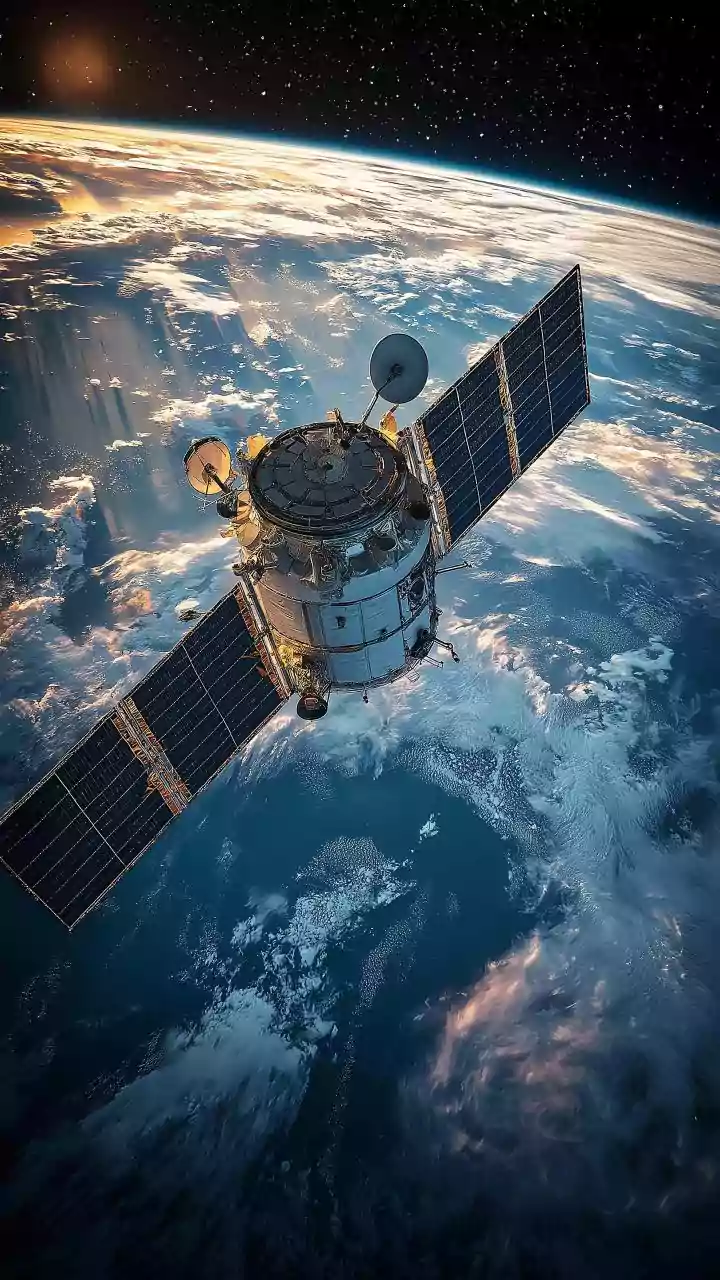
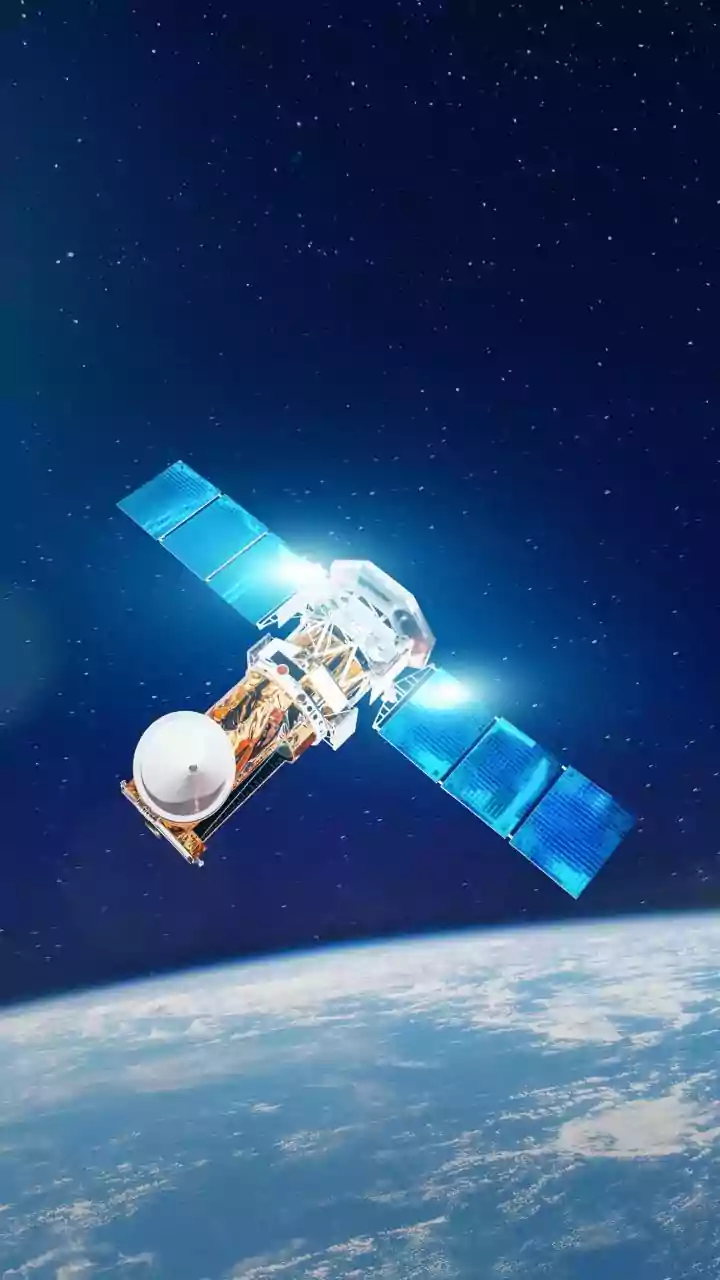
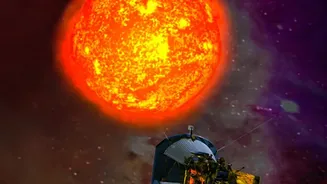
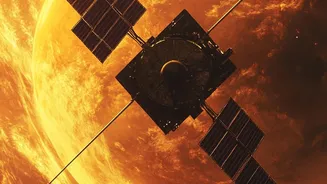
The two missions offer highly complementary capabilities, making their combined observations more powerful than what either could achieve alone. Aditya-L1 sits at the L1 Lagrange point, a stable position between the Sun and Earth, giving its Visible Emission Line Coronagraph (VELC) an uninterrupted view of the sun's corona. VELC uses spectroscopy to measure properties like the temperature and density of the coronal gas. Proba-3, meanwhile, is the world's first precision formation-flying mission. It uses two spacecraft flying about 150 meters apart to create a precise, artificial solar eclipse. This allows its ASPIICS coronagraph to block the sun's blinding glare and capture incredibly detailed images of the faint inner corona. By combining VELC's spectroscopic data with ASPIICS's imaging, scientists can cross-check their findings and build a more complete 3D picture of an eruption.
Decoding the Eruptions
This joint study focused on two CMEs observed in September 2025. The results, published in the journal 'Astronomy & Astrophysics', revealed stark differences between them. One eruption travelled at a brisk 645 km per second, while the other moved at a much slower 145 km per second. For the first time, the team was able to accurately measure the mass, density, and energy of the CMEs very close to the sun. They analysed how the energy was distributed between motion (kinetic energy), heat (thermal energy), and the eruption's magnetic field. Intriguingly, the energy distribution was significantly different between the fast and slow CMEs, providing vital new clues about the fundamental physics that drive these solar storms. Having reliable measurements of a CME's mass and density is a game-changer for predicting its potential impact on Earth.
A New Era of Solar Science
This India-Europe collaboration is more than just a single scientific study; it demonstrates a powerful new model for international space science. Observing the very early stages of a CME has been a long-standing challenge for solar physicists. By pairing a spectrographic coronagraph with an imaging one, the Aditya-L1 and Proba-3 teams have created a system that is greater than the sum of its parts, yielding a more complete, cross-checked view of how CMEs are born and evolve. The success of this initiative not only enhances ISRO's global standing but also paves the way for deeper collaborations. As our reliance on space-based technology grows, such international partnerships will be essential for understanding and mitigating the risks of space weather, safeguarding our future both on Earth and in orbit.