




Non-Vegetarian Food, Including Eggs
Abstaining from meat, fish, and eggs is one of the most widely followed practices during Sawan. Spiritually, this is an act of devotion and non-violence (ahimsa), showing respect for all living beings during a month dedicated to Lord Shiva. There is also
a practical, seasonal reason behind this custom. The monsoon season, which coincides with Sawan, is a breeding period for many animals and fish. Historically, the humid weather also increased the risk of meat spoiling and causing food-borne illnesses, as bacteria multiply faster. Avoiding these foods was a way to prevent sickness when digestion is considered weaker.
Onion and Garlic
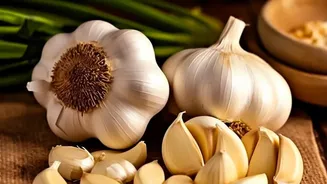
Onion and garlic are staples in Indian cuisine, yet they are strictly avoided in Sawan fasting meals. The reason is not related to hygiene but is rooted in Ayurvedic principles. According to Ayurveda, foods are classified into three categories: Sattvic (pure, calming), Rajasic (stimulating), and Tamasic (dulling). Onion and garlic are considered Rajasic and Tamasic, believed to increase heat in the body, stimulate desire, and distract the mind. Since Sawan is a time for spiritual focus and calmness, a Sattvic diet that excludes these ingredients is preferred to maintain mental clarity.
Leafy Green Vegetables
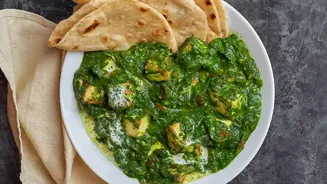
This might seem surprising, but many families avoid leafy greens like spinach, fenugreek, and cabbage during Shravan. This tradition is a practical measure rooted in food safety. The damp monsoon weather is an ideal breeding ground for insects, worms, and larvae, which can hide within the layers of leaves. Before modern cleaning methods, it was difficult to ensure these vegetables were completely free of contaminants. Ayurveda also suggests that the digestive fire (agni) is weaker during the monsoon, making it wise to avoid foods that could be harder to clean and digest.
Certain Grains and Lentils
For those observing strict fasts (vrat), regular grains like wheat and rice, as well as all lentils and pulses (dals), are avoided. Instead, devotees turn to 'vrat-friendly' flours and grains such as buckwheat flour (kuttu ka atta), water chestnut flour (singhare ka atta), amaranth flour (rajgira), and barnyard millet (samak rice). These alternatives are considered lighter on the digestive system and align with the principles of a fasting diet, providing energy without being too heavy.
Brinjal (Eggplant)
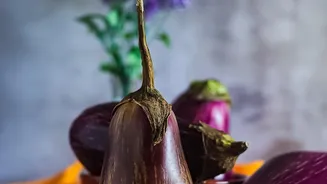
Brinjal is another vegetable that is commonly avoided during the Sawan month. While the reasons are less documented than for other foods, it is largely a matter of tradition. Some beliefs suggest that brinjal is considered impure for religious offerings. Additionally, during the monsoon season, eggplants can be more prone to insect infestations, which may have contributed to this long-standing custom.
Alcohol and Tobacco
It goes without saying that during a month of spiritual purification, intoxicants like alcohol and tobacco are strictly prohibited. These are considered impure substances that cloud the mind and interfere with self-discipline and devotion. The focus of Sawan is to achieve a state of physical and mental purity, which is contrary to the effects of these substances.
Table Salt and Certain Spices
During Sawan fasts, regular table salt is replaced with rock salt, or sendha namak. Rock salt is considered a purer, unprocessed form of salt suitable for religious observances. In addition to salt, many common spices such as turmeric, asafoetida (hing), mustard seeds, and garam masala are also avoided in fasting meals to keep the food simple and non-stimulating. Instead, flavours are added using cumin, black pepper, green chillies, and ginger.
Curd and Fermented Foods
While dairy products like milk and paneer are encouraged, curd (yoghurt) is often avoided, especially in the evenings. Ayurvedic tradition suggests that curd can increase the 'kapha' dosha, leading to congestion and colds, which people are more susceptible to during the damp monsoon season. For similar reasons, other fermented foods like idli and dosa may also be excluded, as they are considered Tamasic and potentially heavy on the digestive system.