

An Unprecedented Deficit
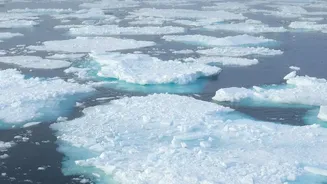
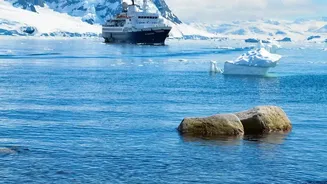
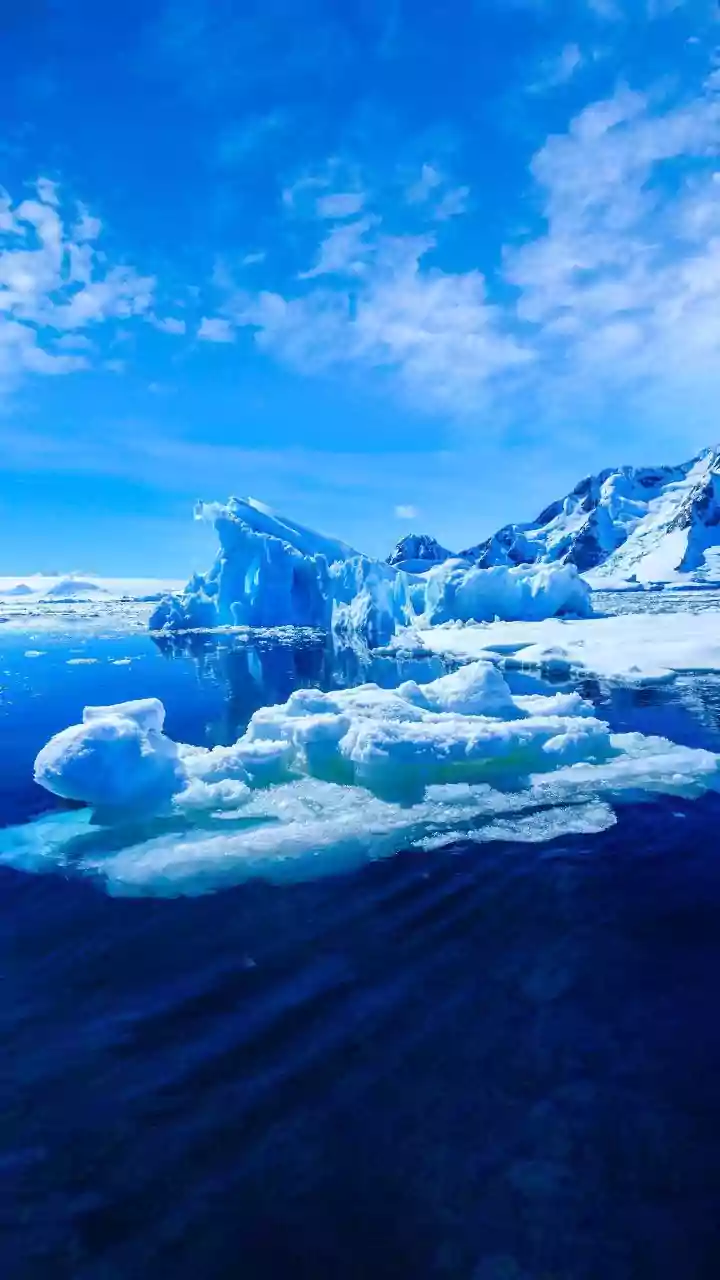
Each year, the sea ice around Antarctica shrinks in the summer and expands through the winter, typically peaking in September. This year, that peak was alarmingly low. On September 14, scientists confirmed the maximum winter ice extent was about one million
square kilometres below the long-term average. What's more concerning is the pattern: the four lowest winter maximums ever recorded by satellites have all occurred in the last four years. This is a stark deviation from past behaviour. For decades, Antarctic sea ice was stable, and even expanding in some areas, bucking the trend seen in the rapidly melting Arctic. Now, that resistance appears to be over, and experts say the system is behaving differently, suggesting this is no longer a one-off event.
Why This Is a Global Concern
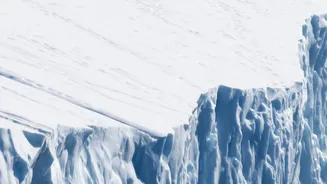
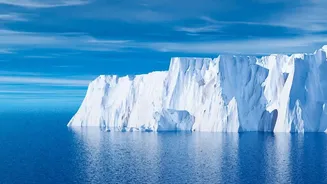
What happens in Antarctica doesn't stay in Antarctica. The continent's vast, white sheet of ice acts as the planet's refrigerator. Its bright surface reflects the sun's energy back into space, a process known as the albedo effect. When that ice disappears, it exposes the dark ocean water beneath, which absorbs heat instead of reflecting it. This creates a dangerous feedback loop: a warmer ocean melts more ice, which leads to an even warmer ocean. Furthermore, sea ice acts as a protective barrier for the colossal land-based ice shelves. Without it, these shelves are exposed to warmer ocean water and destructive waves, accelerating their melt and threatening to raise global sea levels significantly.
The Case for Scientific Caution
Despite the alarming data, scientists are careful not to jump to simple conclusions. The Antarctic is a notoriously complex and variable system, much more so than the Arctic. Its ice extent is influenced by a chaotic dance of powerful winds, ocean currents, and atmospheric temperatures. For example, climate patterns like El Niño can change storm tracks and churn up the ocean, affecting how and where ice forms. For years, stronger winds actually helped expand sea ice in some regions by pushing it around. Now, it seems that those same strong winds may be contributing to the decline by pulling up warmer, saltier water from deeper in the ocean, which melts the ice from below. Disentangling these natural cycles from the overarching signal of human-caused climate change is a massive challenge, which is why researchers remain cautious about attributing the recent dramatic lows to a single cause.
A Tipping Point or an Extreme Blip?
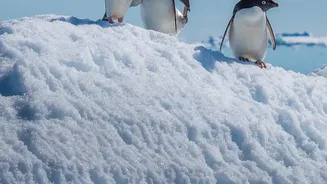
The critical question is whether we are witnessing a temporary anomaly or a permanent shift into a new, lower-ice state for Antarctica. Some researchers believe the system has been 'flipped' by a combination of factors, including warmer ocean layers finally breaking through to the surface. The fact that this is the fourth consecutive year of record-low winter ice suggests a fundamental change might be underway. This isn't just a future problem; scientists are calling it a 'now problem'. The loss of sea ice has immediate consequences for the continent's unique ecosystem, which depends on it for everything from the algae and krill that form the base of the food web to the emperor penguins that breed on stable ice. While the long-term forecast is still being debated, there is a growing consensus that the world should prepare for a period of continued low sea ice in Antarctica and the global ripple effects that will follow.