





Bengaluru Sets the Stage
The second edition of the International Conference on Spacecraft Mission Operations (SMOPS-2026), held in Bengaluru, brought together minds from global space agencies like ISRO, NASA, and ESA, alongside private industry and academia. The choice of India's
tech capital was no coincidence. It's home to ISRO's Telemetry, Tracking and Command Network (ISTRAC), the nerve centre for its missions, and the ISRO System for Safe & Sustainable Space Operations Management (IS4OM), a dedicated facility to monitor space objects. While the conference covered a range of topics from AI in space to interplanetary missions, the persistent and growing threat of orbital congestion emerged as the central challenge that demands immediate, collaborative action.
The Problem of a Crowded Sky
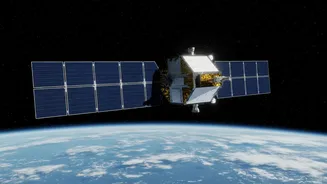
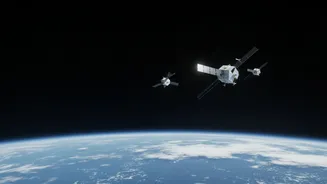
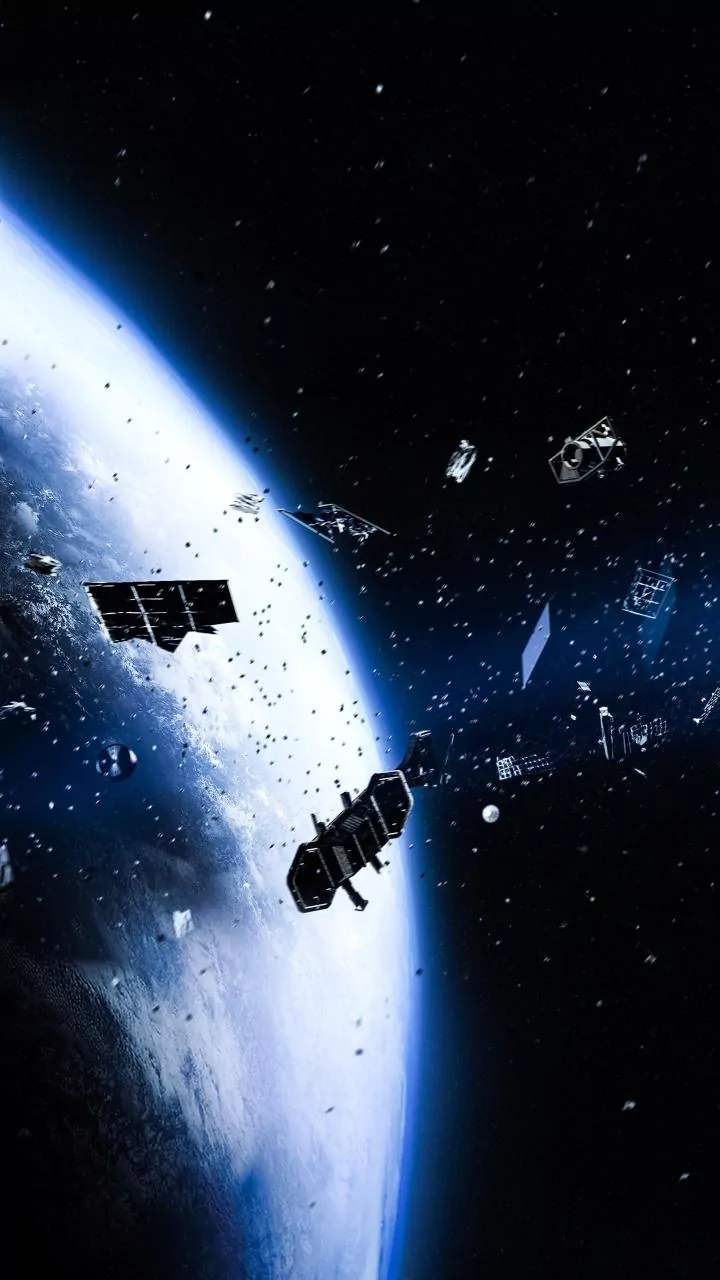
So, what exactly is space traffic management? Think of it like air traffic control, but for the final frontier. Tens of thousands of tracked objects, including over 15,000 active satellites, orbit our planet. Alongside them are defunct satellites and millions of pieces of debris, from tiny screws to large rocket stages, all travelling at speeds of nearly 27,000 km/h. A collision with even a small piece of this junk can severely damage or destroy a vital operational satellite. This growing congestion puts at risk the space-based infrastructure we rely on for everything from weather forecasts and GPS navigation to banking and national security. With tens of thousands more satellites planned for launch in the coming years, particularly for large constellations like Starlink, the risk of a catastrophic cascade of collisions—a scenario known as the Kessler Syndrome—becomes ever more real.
A Call for Global Rules of the Road
The main takeaway from SMOPS-2026 was the consensus that individual efforts are no longer enough. For years, space-faring nations have relied on their own tracking capabilities and data sharing, often from the US Space Command. However, with the rapid commercialisation of space and the sheer volume of objects, this fragmented approach is becoming untenable. The discussions in Bengaluru highlighted an urgent need for a unified international framework—a set of agreed-upon rules for collision avoidance, debris mitigation, and data sharing. Without clear guidelines, disputes over near-misses and responsibility for manoeuvres will only increase, creating a 'Wild West' environment in orbit that threatens the sustainability of all space activities.
Why This Matters for India
For India, the stakes are incredibly high. ISRO operates a large fleet of satellites crucial for communication, earth observation, and the NavIC navigation system. These national assets are increasingly vulnerable. Initiatives like Project NETRA (Network for Space Object Tracking and Analysis) and the IS4OM facility in Bengaluru represent India's significant investment in developing its own Space Situational Awareness (SSA) capabilities. This allows ISRO to independently track debris and protect its assets. Furthermore, a stable, predictable orbital environment is essential for the safety of astronauts in the upcoming Gaganyaan human spaceflight mission and for the success of India's burgeoning private space sector. By championing a global solution, India is not just protecting its own interests but also positioning itself as a responsible leader in the new space era.