







Defining the Breaking Point
Imagine a boat. It can safely carry a specific number of people before it becomes unstable and risks sinking. This limit is its carrying capacity. The World Tourism Organization defines tourism carrying capacity in a similar way: it is the maximum number of people that
can visit a destination at the same time without causing the destruction of the physical, economic, and socio-cultural environment, or an unacceptable decrease in the quality of the visitor's experience. It's not just about physical space; it’s a delicate balance between welcoming visitors and protecting a place's soul, its environment, and the well-being of its local residents. When this limit is crossed, we enter the dangerous territory of overtourism.
Kerala's Paradise Under Pressure
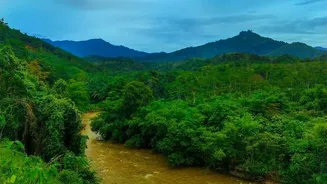
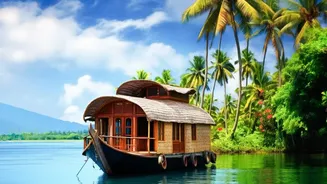
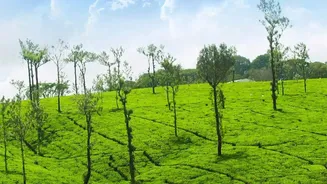
Kerala's most celebrated landscapes are also its most ecologically fragile. The backwaters of Alleppey and Kumarakom, a unique ecosystem of lakes and canals, are choking under the pressure of an ever-increasing number of houseboats. Many of these vessels, not all of which are licensed, release untreated waste directly into Vembanad Lake, threatening the water quality that local communities depend on for drinking and fishing. In the Western Ghats, hill stations like Munnar and Wayanad face a different kind of onslaught. Unchecked construction, traffic congestion, and plastic waste are scarring the rolling tea gardens and shola forests. These areas are not just tourist spots; they are critical biodiversity hotspots and sources of the state's rivers. The state's 570-kilometre coastline, with unique mangrove forests and wetlands, is also under threat from both development and rising sea levels, a vulnerability amplified by tourism infrastructure.
The Real Costs of Overtourism
Exceeding carrying capacity triggers a domino effect with severe consequences. Environmentally, it leads to polluted water bodies, deforestation, increased landslides in ecologically sensitive areas, and mountains of garbage that local infrastructure cannot handle. Socially, it creates friction. When tourists overwhelm a place, local residents can feel pushed out. Their privacy is invaded, the cost of living inflates, and they often face congestion and shortages of essential resources like water. Economically, while tourism brings revenue, overtourism can lead to a decline. A degraded environment and overcrowded attractions result in a lower-quality experience for visitors, eventually damaging the destination's reputation. In fact, some international travel guides have already flagged Kerala as a destination beginning to suffer from the burden of its own popularity, citing issues like shrinking backwaters and frequent landslides.
A Path Towards Balance
The good news is that the conversation in Kerala is shifting. Acknowledging the problem is the first step, and the government has initiated carrying capacity studies for several key hill stations and tourist spots, prompted by directives from the Kerala High Court. This marks a critical move towards data-driven tourism management. The state's Responsible Tourism Mission, which has won global awards, is another cornerstone of the solution. This model focuses on ensuring that tourism benefits local communities directly through employment and sourcing local goods, empowering residents to become stewards of their environment. For travellers, this means supporting certified eco-friendly homestays and tour operators, exploring lesser-known destinations to ease the pressure on hotspots, and practicing mindful travel by reducing waste and respecting local culture.