




The Rise of the Discreet Desk Workout
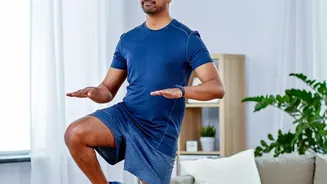
You see it in offices everywhere: the gentle, rhythmic tapping of a foot under a desk. These small, often unconscious movements, along with other 'deskercises' like seated leg lifts or shoulder shrugs, have become a popular way to combat the stiffness
of a long workday. Called 'exercise snacks' or micro-movements, their appeal is obvious. They are discreet, require zero equipment, and can be done without ever leaving your chair, making them feel like a productive way to break up the monotony of prolonged sitting. For those chained to a screen for hours, these little movements offer a flicker of physical activity in an otherwise sedentary day, providing a sense of accomplishment without disrupting workflow. They are, in essence, the path of least resistance to feeling a bit more active.
What Toe-Tapping Actually Does For You
Despite their small scale, these movements are far from useless. The primary benefit of fidgeting or toe-tapping is improved circulation. When you sit for long periods, blood can pool in your legs, which can lead to swelling and increase the risk of other issues over time. Rhythmic movements, like tapping your toes, act like a small pump, stimulating blood flow and helping to counteract this effect. Studies have shown that even minimal fidgeting can protect the arteries in the legs. This increase in circulation can also help reduce feelings of fatigue and stiffness in the lower body. Think of it as waking up your muscles and joints after they've been asleep at their post. It's a valuable tool for breaking up periods of total stillness, which research has repeatedly linked to negative health outcomes.
The Big Limits of Little Movements
Here's the crucial distinction: toe-tapping is movement, but it is not exercise in the way most health guidelines define it. Meaningful physical activity, as recommended by organizations like the American Heart Association, needs to be more robust. The goal of moderate-intensity exercise, like a brisk walk, is to raise your heart rate, make you breathe a bit harder, and engage large muscle groups to improve cardiovascular fitness and burn significant calories. Toe-tapping and other seated fidgets simply don't cross this threshold. They do not challenge your heart and lungs, build meaningful strength, or contribute significantly to the recommended 150 minutes of moderate-intensity activity per week. While they are certainly better than remaining completely static, they exist in a different category from a purposeful walk or a strength-training session.
The Danger of a False Sense of Security
The biggest risk of over-relying on toe-tapping is developing a false sense of security. It’s easy to think, "I've been moving my feet all day, so I've been active." This mindset can lead you to skip the very activities your body truly needs, like taking a real break to walk around. Prolonged sitting is associated with a host of health problems, including an increased risk of obesity, type 2 diabetes, heart disease, and even some cancers. These risks are not mitigated by small, sedentary movements alone. Believing that discreet desk fidgeting is a substitute for genuine exercise can inadvertently reinforce a sedentary lifestyle by making us feel like we've checked the 'activity' box for the day when, in reality, we've fallen far short of what our bodies require for long-term health and well-being.
How to Build a Truly Effective Desk Break
The solution isn't to stop tapping your toes—it's to add more substantial movement on top of it. The key is to get up and away from your chair. Aim to stand or walk around at least once an hour. Set a timer to remind yourself. Instead of emailing a colleague down the hall, walk over and talk to them. Take phone calls while standing or pacing. Use your lunch break for a brisk 15 or 20-minute walk. When you do take a break, incorporate simple stretches for your neck, shoulders, and back to relieve tension. The goal is to create a routine that alternates between sitting, standing, and walking. These 'exercise snacks' are most effective when they involve bigger movements like a few flights of stairs or a set of bodyweight squats. This combination of breaking up sedentary time and integrating short bouts of real exercise is the most effective strategy for staying healthy at work.