





The Great Simplification
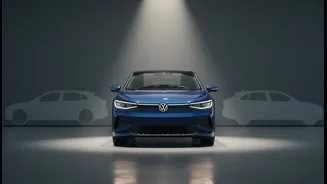
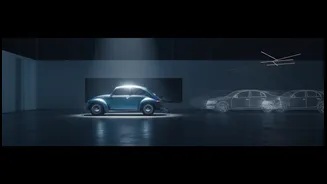
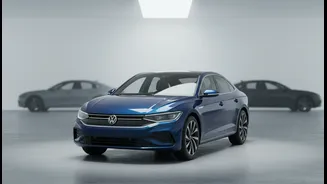
Volkswagen Group has announced a sweeping overhaul of its global business, confirming plans to cut its model lineup by up to 50% by 2030. This isn't just about discontinuing a few slow-selling cars. The company also aims to reduce the complexity of its remaining
models by slashing the number of equipment options and powertrain combinations by as much as 75%. The move is part of a comprehensive "Future Plan" designed to make the automotive giant more resilient and competitive in a rapidly changing market. The changes, some of which are being implemented with immediate effect, will primarily affect the European and Chinese markets where VW has numerous overlapping models.
From Volume to Value
For years, Volkswagen pursued a strategy of being everything to everyone, resulting in a massive and complex product portfolio. Now, the focus is shifting decisively from sales volume to profitability. The company is facing significant financial headwinds, including declining profits, intense competition from Chinese EV makers, and high operating costs. In the first quarter of 2026, the company's profit fell by 28%. By concentrating on its most popular and profitable models, VW aims to achieve a sustainable return on sales of 6.5% by 2026, a significant jump from its current margins. This will free up capital and resources that were previously tied up in niche products with low returns.
Paving the Way for an Electric Future
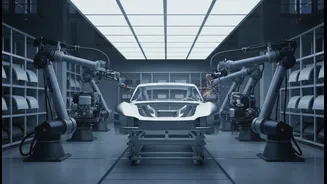
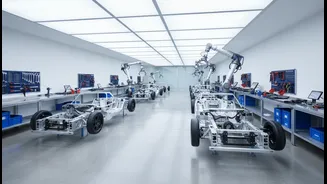
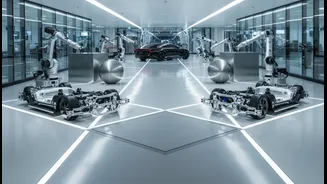
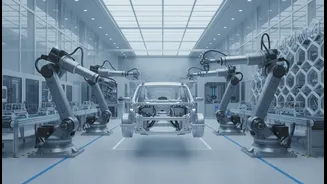
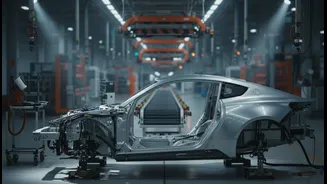
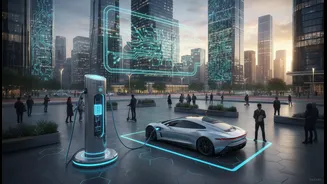
This strategic diet is directly linked to Volkswagen's massive push into electric vehicles (EVs). Developing EVs is incredibly expensive, and the company is funnelling billions into its all-electric ID. family of cars and next-generation battery technology. By cutting costs and simplifying its combustion engine lineup, Volkswagen can redirect those savings into accelerating its EV transition. The goal is to make its EV division profitable and to compete effectively with rivals like Tesla and a growing number of Chinese brands that are masters of streamlined, efficient production. This leaner approach will also allow VW to consolidate its technology, using modular platforms like the MEB for multiple vehicles to reduce development and manufacturing costs.
What It Means for India
While the biggest cuts will happen elsewhere, this global strategy will undoubtedly shape Volkswagen's future in India. The company's 'India 2.0' strategy already emphasizes localization and a focus on core products like the Taigun and Virtus. The new global direction reinforces this, meaning we are likely to see an even stronger focus on high-volume, profitable SUVs and sedans. The era of importing niche models may be winding down. Instead, the emphasis will be on increasing local production to keep costs competitive in India's price-sensitive market. Looking ahead, Volkswagen Group aims to capture a 5% market share in India before 2030, with alternative fuels and EVs playing a key role in achieving that target.
Fewer Choices, Better Cars?
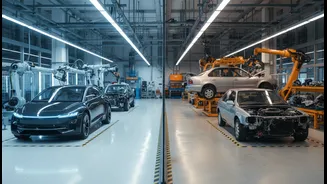
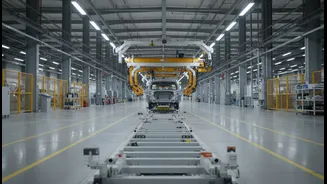
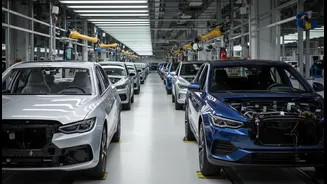
For the average car buyer, this shift will mean fewer models on the showroom floor and far fewer ways to configure them. Gone will be the days of endlessly debating between dozens of trim levels, engine options, and optional extras. While this may seem like a downgrade, Volkswagen is betting that simplification has its benefits. A less complex lineup can lead to improved production efficiency, better quality control, and potentially faster delivery times. By focusing engineering and design resources on a smaller number of core vehicles, the company believes it can deliver more attractive and higher-value products for customers in its most important market segments. It's a fundamental move from offering maximum choice to offering the best choices.