


A Tradition Tied to Triumph
The most beloved story behind the jalebi-fafda tradition is linked to the festival of Dussehra, or Vijayadashami, which celebrates the victory of good over evil. The festival follows the nine-day Navratri fast. According to custom, many break their fast with
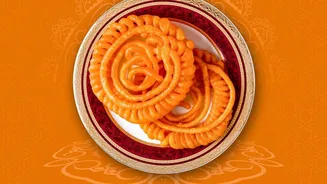
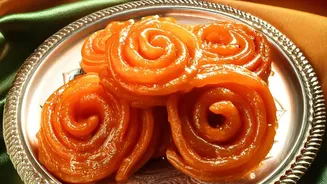
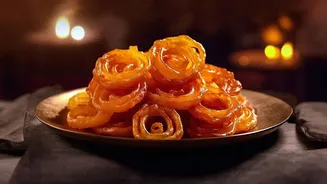
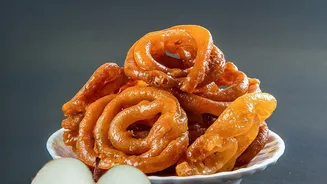
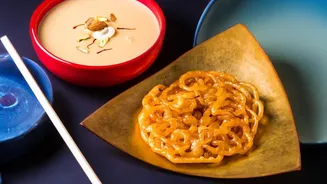
food made from gram flour (besan), as it's considered light and appropriate after days of dietary restrictions. Fafda, a crispy snack made from gram flour, fits this requirement perfectly. The sweet jalebi is added to signify the sweetness of victory and joy after a period of discipline. Together, they represent a balanced, celebratory meal to mark the end of the fast.
The Legend of Rama and Hanuman
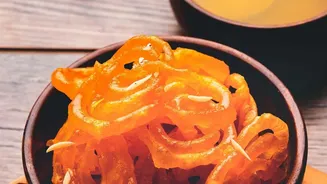
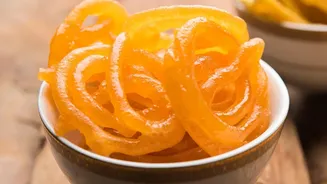
Mythology adds another layer to this culinary custom. One popular belief connects the pairing to Lord Rama and his devotee, Hanuman. It's said that Lord Rama had a fondness for a sweet called 'Shashkuli,' which is believed to be an ancient form of jalebi. After his victory over Ravana, he celebrated with this sweet treat. Meanwhile, Hanuman was known to favour dishes made from gram flour. By eating jalebi and fafda together, devotees honour both Rama's victory and Hanuman's devotion, celebrating the triumph alongside them. The spirals of the jalebi are sometimes said to symbolise eternity, while the simple fafda represents nourishment.
A Perfect Culinary Contrast
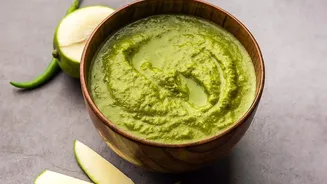
Beyond legends and rituals, the combination is a masterclass in flavour and texture. Fafda, seasoned with spices like carom seeds and turmeric, offers a salty, savoury crunch. Jalebi, a fermented batter fried and soaked in sugar syrup, provides a sweet, tangy, and slightly chewy contrast. This perfect balance of salty and sweet, crispy and soft, is what makes the pairing so incredibly satisfying. Served hot, often with a side of raw papaya salad (sambharo) and fried green chillies, the complete dish is a symphony of complementary sensations that has delighted generations.
The Rise of a Cultural Icon
While the individual components have long histories—jalebi having Persian roots and fafda being native to Gujarat—their pairing into a cultural phenomenon is more recent. Many credit Chandravilas, a heritage eatery in Ahmedabad established in 1900, with popularising the combination. What began as a local tradition soon became an inseparable part of Gujarati identity, especially on Dussehra morning. The demand is so immense that sweet shops stay open all night before the festival, preparing massive quantities to serve the long queues that form before sunrise.
More Than Just a Breakfast
Over time, jalebi-fafda has transcended its festive origins. While it remains the undisputed breakfast of choice on Dussehra, it has also become a beloved weekend treat for many families. The act of gathering at a local 'farsan' shop and enjoying a fresh plate together has become a social ritual. It represents community, celebration, and the simple joy of sharing good food. This practice, passed down through generations, ensures that the story of jalebi and fafda continues to be told, one delicious plate at a time.