


A Tale of Two Roots
On the surface, radish (mooli) and beetroot (chukandar) are both humble root vegetables. Yet, they boast vastly different nutritional profiles. Beetroot is a powerhouse of folate (a B vitamin), manganese, potassium, and dietary nitrates, which are lauded
for their benefits to heart health. It has more carbohydrates and calories than radish. Radish, on the other hand, is lower in calories and carbs, but shines with its high Vitamin C and calcium content. Both are excellent sources of fibre. While beetroot has a sweet, earthy flavour, radish is known for its sharp, peppery bite. These differences set the stage for how their nutrients react to heat and preparation.
Beetroot: The Raw vs. Cooked Debate
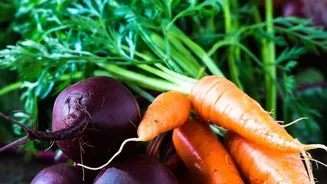
Eating beetroot raw, perhaps grated in a salad or juiced, ensures you get the maximum dose of its heat-sensitive nutrients. This includes Vitamin C and folate, which can diminish during cooking. Raw beets also deliver the highest concentration of dietary nitrates, compounds that help improve blood flow and can lower blood pressure. However, cooking isn't all bad news for the beetroot. For some, raw beetroot can be harder to digest. Lightly cooking it—by steaming or roasting rather than boiling—makes it easier on the digestive system. While boiling can cause water-soluble vitamins to leach into the water, gentler cooking methods can make some antioxidants more available for your body to absorb. Steaming, in particular, is considered an excellent method to soften the root while preserving most of its goodness.
Radish: The Crisp Bite of Health
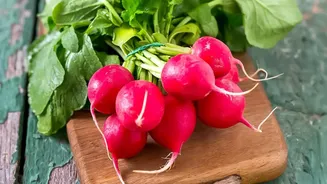
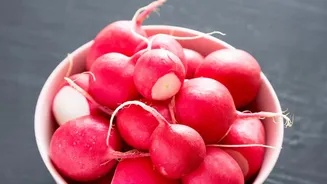
The peppery kick of a raw radish is more than just flavour; it comes from compounds like glucosinolates, which have protective antioxidant properties. Consuming radish raw is the best way to capitalise on its impressive Vitamin C content, which is highly sensitive to heat. A crisp radish salad or using it as a crunchy garnish provides a powerful nutritional punch. Raw radishes are also over 95% water, making them incredibly hydrating and great for skin health. But some people may find the sharp taste or high fibre of raw radish can cause digestive discomfort if eaten in large quantities.
The Mellow Side of Cooked Radish
When you cook a radish, a wonderful transformation happens. The fiery, pungent flavour mellows into a mild, almost sweet taste, and the texture becomes tender and juicy. This makes it a versatile ingredient for cooked dishes like sabzis, soups, and stews. While some Vitamin C is lost in the process, especially if boiled, cooking radishes doesn't negate their health benefits. They still provide a good amount of fibre and other minerals. In fact, some studies suggest that certain cooking methods, like roasting, might even increase the antioxidant activity of some of its plant compounds. For those who dislike the sharp flavour of raw mooli, cooking is an excellent way to incorporate this healthy vegetable into their diet.
The Verdict: How Should You Prepare Them?
There is no single winner in the raw versus cooked debate. The best way to prepare radish and beetroot depends on your health goals and personal preference. To maximize the heart-healthy nitrates and Vitamin C in beetroot, enjoy it raw in juices and salads. For easier digestion and to make its antioxidants more accessible, opt for light steaming or roasting. For radishes, eating them raw is ideal for getting the most Vitamin C and its unique peppery compounds. However, cooking them is a fantastic way to enjoy their benefits if you prefer a milder flavour. Ultimately, the healthiest approach is to include a variety of both raw and cooked preparations in your diet. This ensures you receive the full spectrum of nutrients that both these incredible root vegetables have to offer.