





A Tale of Two Timelines
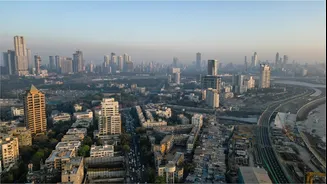
On the surface, Mumbai's water situation appears secure. The seven lakes that quench the megacity's thirst—including Bhatsa, Tansa, and Vihar—are holding nearly 95% of their usable water stock as of early October 2026. This provides a buffer for the coming
year. However, this rosy present belies a troubling forecast from the Brihanmumbai Municipal Corporation (BMC). According to the civic body's own projections, Mumbai's daily water demand is set to soar from the current requirement of about 4,600 million litres per day (MLD) to a staggering 6,424 MLD by 2041. The current supply, however, hovers around just 4,100 MLD, already creating a deficit that forces water cuts even in years with decent rainfall. This growing gap between supply and demand is the central challenge for the city's planners.
The Drivers of a Thirstier Future
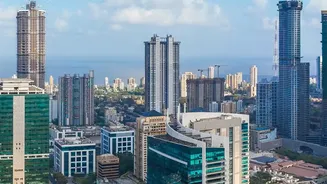
What is fueling this dramatic rise in demand? The primary driver is Mumbai's relentless growth. The city's population is projected to swell from 13 million in 2015 to over 17 million by 2041. This includes not just residents but also a massive floating population of daily commuters. Beyond sheer numbers, improving living standards and rapid commercial and industrial expansion are also major contributors. More high-rises, sprawling business parks, and large-scale construction projects all consume vast quantities of water. The BMC's projections account for these trends, painting a picture of a future metropolis that will require significantly more resources to sustain itself, putting immense pressure on a water supply system that is already stretched thin.
Bridging the Gap: Dams and Desalination
The BMC is not sitting idle. An ambitious multi-pronged strategy is underway to augment the city's water supply. A key component is the construction of new dams. The Gargai Dam project, located in Palghar district, is a major initiative expected to add 440 MLD to Mumbai’s supply. Though facing some delays with environmental clearances, work is expected to commence in early 2027 with a target completion by 2029. Other, even larger projects like the Pinjal dam (865 MLD) and the Damanganga-Pinjal river-linking project (1,586 MLD) are also planned, though they remain in earlier stages of development. To create a climate-resilient water source independent of the monsoon, the BMC is also investing in desalination. A large-scale plant at Manori is under construction, which will initially produce 200 MLD and can be expanded to 400 MLD. This plant, inspired by Israeli technology, represents a crucial diversification of Mumbai's water portfolio.
Hurdles on the Horizon
These large-scale infrastructure projects are complex and fraught with challenges. The Gargai Dam, for instance, requires significant forest clearances and the rehabilitation of affected residents, which has caused delays. The larger Pinjal and Damanganga-Pinjal projects are even more complicated, with the latter requiring inter-state agreements between Maharashtra and Gujarat that are yet to be finalized. Desalination plants, while reliable, come with their own set of issues. They are incredibly energy-intensive, and the Manori plant will require its own dedicated power source. There are also environmental concerns regarding the intake of seawater and the discharge of highly concentrated brine back into the marine ecosystem, which the BMC is aiming to mitigate with advanced engineering.
Conservation and Local Solutions
While big projects are the long-term answer, the BMC is also pushing for immediate conservation and the use of local water sources. The city is currently under a 10% water cut, a measure taken due to a monsoon that didn't fully replenish the lakes. Officials are urging citizens to use water judiciously and repair leaks. Furthermore, there is a renewed focus on reviving thousands of old wells across the city for non-potable uses like gardening and construction. This would reduce the strain on the potable water supply. To manage supply in underserved areas, the civic body is also expanding its fleet of water tankers and developing an app-based system to streamline distribution and prevent misuse.