







An Unprecedented Order Book
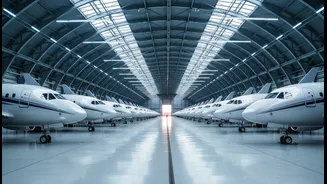
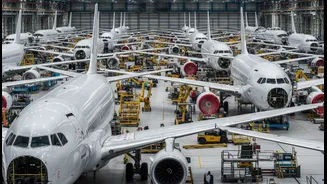
At the start of 2026, the combined order backlog for major manufacturers like Airbus and Boeing climbed to a record high, exceeding 16,600 commercial aircraft. To put that into perspective, at current production rates, it would take approximately 12 years
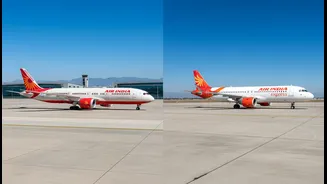
to clear this queue. This isn't a temporary spike; it's a long-term commitment from airlines worldwide to modernize and expand. A significant portion of this demand originates from India. Carriers like IndiGo and Air India have placed historic, multi-hundred-plane orders, betting big on the country's booming travel market. Air India Group alone has an order book of nearly 600 aircraft, with deliveries expected to stretch into the mid-2030s. These orders ensure that even if no new planes were ordered from tomorrow, the industry's manufacturing lines would be busy well past 2030.
The Supply and Demand Squeeze
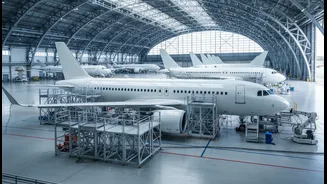
This massive backlog is the result of a perfect storm. On one side, there is surging demand. Air travel has rebounded fiercely post-pandemic, with passenger numbers hitting record levels. Airlines, anticipating continued growth, are racing to secure new, more fuel-efficient aircraft. This is especially true in India, which is projected to have the fastest fleet growth rate globally over the next decade at 7.1%. On the other side, production is struggling to keep up. Manufacturers face a complex web of challenges, including persistent supply chain disruptions for everything from raw materials to crucial components like engines. Both Airbus and Boeing have struggled to meet their own ambitious production targets, creating a bottleneck where airlines want new jets much faster than they can be built. This production lag is so significant that airlines placing orders today are essentially booking delivery slots for the early 2030s.
Implications for Indian Aviation
For the Indian market, this guaranteed fleet growth is a double-edged sword. The influx of new aircraft will fuel intense competition between a revitalized Air India and the dominant IndiGo, potentially leading to more routes and competitive pricing for consumers. Air India expects to add 50 to 60 new aircraft annually for the next several years, a steady stream that will modernize its fleet and expand its global reach. However, the delay in receiving these planes has immediate consequences. Airlines are forced to operate older, less fuel-efficient aircraft for longer, which increases maintenance and fuel costs. These extra expenses can put upward pressure on ticket prices. Furthermore, the slow delivery schedule can hamper airlines' expansion plans, delaying the launch of new international and domestic routes that the new, longer-range narrow-body and wide-body jets are intended to serve.
A Locked-In Future Beyond 2027
The sheer scale of the existing orders provides a clear roadmap for the industry's future. The growth is not speculative; it's already on the books. Projections from manufacturers like Boeing estimate the world will need over 43,000 new aircraft by 2045, with a significant portion destined for Asia. Even with manufacturers working to ramp up production, the existing backlog of over 16,000 planes ensures that deliveries will continue at a steady pace for years. For airlines, this means the planes they ordered in 2023 and 2024 will be arriving throughout the late 2020s and early 2030s, driving fleet expansion regardless of short-term economic fluctuations. This long-term visibility is unusual for many industries and signals a sustained period of growth, investment, and transformation for global aviation, with India firmly at its center.