
What Makes a Meal 'Complete'?
Before building a better wrap, it helps to know what makes any meal truly balanced and satisfying. A complete meal provides sustained energy and keeps you full by including three key macronutrients: complex carbohydrates, lean protein, and healthy fats.
Fruits and vegetables are crucial for delivering essential vitamins, minerals, and fibre. A wrap becomes a complete meal when it successfully combines these elements, moving beyond a few limp lettuce leaves to become a powerhouse of nutrition that fuels your afternoon.
The Foundation: Choose the Right Wrap
The base of your creation matters. While standard white flour tortillas are an option, choosing a whole-grain or whole-wheat wrap provides more fibre, which aids digestion and promotes a feeling of fullness. Sprouted grain tortillas are another excellent choice, often praised for their simple ingredients. For those with different dietary needs, there are many alternatives available, including wraps made from spinach, coconut, almond flour, or even cassava. The goal is to pick a sturdy base that complements your fillings without falling apart.
Power Up with Protein
Protein is the key to making a wrap satisfying enough to prevent an afternoon slump. For a plant-based boost, consider adding chickpeas (whole or mashed into hummus), lentils, edamame, or seasoned tofu. Mashed chickpeas or lentils mixed with a creamy sauce can create a delicious and substantial filling. Other great protein sources include grilled chicken, a small can of tuna, or mashed boiled eggs. Even certain cheeses, like feta or farmer cheese, can contribute to your protein intake while adding flavour.
Load Up on a Rainbow of Vegetables
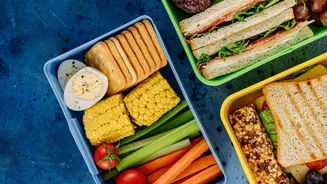
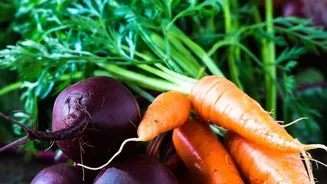
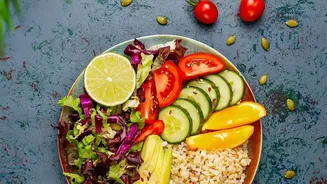
This is where a wrap truly shines. To get a wide array of nutrients and textures, aim to include at least three different vegetables. Go beyond basic lettuce and tomato. Try incorporating crunchy shredded carrots, thinly sliced cucumber, and vibrant bell peppers. Roasted vegetables like zucchini, eggplant, and red onion add a deep, savoury flavour. For a fresh, crisp element, add baby spinach, sprouts, or shredded cabbage. Don't be afraid to experiment with less common additions like thinly sliced radishes or even fresh broccoli florets for extra crunch and nutrients.
Don't Forget Healthy Fats and Flavour
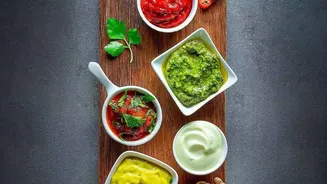
Healthy fats are essential for a balanced meal, as they help with nutrient absorption and contribute to satiety. Creamy avocado is a classic choice that provides healthy fats and a luxurious texture. Spreads like hummus, tzatziki, or other bean dips also add creaminess, flavour, and an extra dose of protein and fibre. A drizzle of olive oil or a yogurt-based dressing can bring all the ingredients together. For a final touch of flavour and crunch, consider adding olives, sun-dried tomatoes, or a sprinkle of nuts and seeds.
Three Inspiring Combinations to Try
Ready for some inspiration? For a Mediterranean feel, spread hummus on a whole-wheat tortilla and fill it with roasted red peppers, sliced cucumber, olives, and crumbled feta. For a high-protein vegetarian option, mash chickpeas and mix with a little plain yogurt and herbs, then layer with spinach, grated carrots, and avocado. Or, create a spicy tofu wrap by crumbling firm tofu and tossing it in your favourite hot sauce, then wrapping it with shredded cabbage, bell peppers, and a cooling yogurt or tahini dressing.