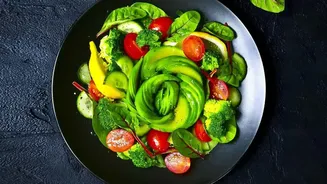




The creamy richness of avocado paired with the bright, juicy acidity of a tomato is a match made in culinary heaven. But the success of this classic duo often hinges on one key factor: the ripeness of your avocado. Here’s your guide.
How to Pick a Perfectly Ripe Avocado
Your journey to a
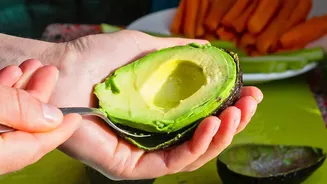
delicious meal starts in the produce aisle. Selecting the right avocado can feel like a game of chance, but a few reliable clues can guide you. First, consider the colour. For the common Hass variety, a dark green, almost black, bumpy skin often signals ripeness. However, colour isn't the only indicator. The most reliable test is the 'gentle squeeze' method. Cradle the avocado in the palm of your hand and apply firm but gentle pressure. A ripe avocado will yield slightly but shouldn't feel mushy or leave indentations. If it's rock solid, it needs more time. If it's overly soft, it's likely overripe and may have brown spots inside. Another pro tip is to check under the stem. If you can flick off the small cap at the top and it's green underneath, you have a good avocado. If it's brown, the fruit is likely overripe.
Storing Avocados to Control Ripeness
Once you've brought your avocados home, you can control how quickly they ripen. If you buy firm, green avocados, you can leave them on the counter at room temperature to ripen over a few days. To speed up the process, place them in a paper bag, ideally with a banana or an apple. These fruits release ethylene gas, a natural plant hormone that accelerates ripening. Conversely, if you have a perfectly ripe avocado that you aren't ready to use, you can slow the ripening process by placing it in the refrigerator. A whole, ripe avocado can last in the fridge for up to a week, though its texture will continue to soften slowly.
The Magic of the Tomato and Avocado Pairing
There's a reason avocado and tomato are such a popular pairing—it's not just about taste, but also about texture and nutrition. The creamy, buttery flavour of avocado provides a perfect contrast to the juicy, tangy profile of tomatoes. This combination creates a balanced and satisfying flavour experience in any dish. Beyond flavour, there's a nutritional synergy. Tomatoes are rich in lycopene, a powerful antioxidant. Lycopene is fat-soluble, which means your body absorbs it more effectively when consumed with fats. The healthy monounsaturated fats in avocado help your body absorb more of the beneficial nutrients from the tomatoes.
Simple Avocado and Tomato Meal Ideas
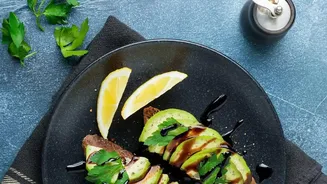
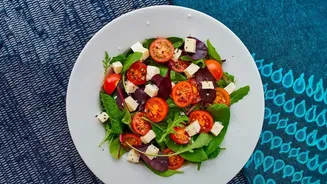
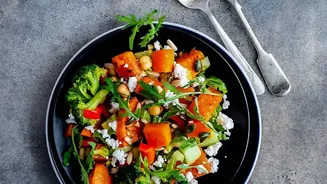
The beauty of this pairing lies in its simplicity. You don't need complex recipes to enjoy it. Start with the classic avocado toast: simply mash a ripe avocado on a slice of toasted sourdough or rustic bread and top with sliced cherry tomatoes, a sprinkle of salt, and perhaps a drizzle of balsamic glaze. For a refreshing salad, cube avocado and tomatoes, and toss with thinly sliced scallions, a high-quality olive oil, and flaky sea salt. You can also add other ingredients like feta cheese or a light vinaigrette. Another quick and easy idea is a simple bruschetta. Top toasted baguette slices with mashed avocado and a mixture of chopped tomatoes, garlic, and fresh basil.
Tips for Preparation and Preventing Browning
Once an avocado is cut, its flesh is exposed to oxygen, which causes it to turn brown through an enzymatic process called oxidation. While a browned avocado is still safe to eat, it can be unappetizing. To slow this process, you can use acid. Brushing the cut flesh with a bit of lemon or lime juice can significantly delay browning by lowering the pH. Another effective method is to limit air exposure. Tightly wrapping a cut avocado half in plastic wrap, ensuring the wrap is pressed directly against the flesh, can help. If you're making a salad, add the avocado at the last minute and toss it with a citrus-based dressing. Storing a cut avocado with a sliced onion in an airtight container can also help, as the sulfur compounds from the onion inhibit oxidation.